








The Science of Sound Scares
For many dogs and cats, the monsoon is not a season of joy but of genuine fear. This isn't just a simple dislike of loud noises; it's a condition known as storm phobia. The triggers are multifaceted. The loud, unpredictable clap of thunder is the most
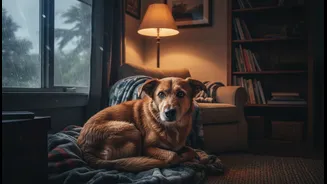
obvious culprit, but pets' sensitive hearing makes it especially jarring. Beyond the noise, they can also react to changes in barometric pressure, the smell of rain, and the build-up of static electricity in the air, which can cause an uncomfortable tingling sensation in their fur. Signs of this anxiety are hard for a pet parent to miss: incessant pacing, panting, whining, hiding in unusual places like closets or under furniture, and sometimes even destructive behaviour born of panic.
An Urban Indian Challenge
This anxiety is amplified in India's bustling cities. Apartment living means there are fewer quiet, soundproof corners for a terrified pet to retreat to. The trend of humanising pets, with owners identifying as 'pet parents', means seeing their animal in distress is emotionally taxing. This shift, combined with a rise in nuclear families and solo living, means the pet is often a central figure in the household, and their well-being is a top priority. The growing pet care market in India, poised to reach ₹2,10,000 crore by 2032, reflects this deep investment in animal wellness. With limited physical space and heightened emotional stakes, urban pet parents are seeking solutions beyond just waiting for the storm to pass.
Strength in Numbers: The Rise of Support Groups
Feeling helpless alone, many are turning to each other. Digital platforms like WhatsApp and Facebook have become the new village square for urban pet parents. Here, they are forming community support groups specifically to navigate challenges like monsoon anxiety. These groups, often hyper-local to a city or even a specific neighbourhood, provide a crucial sense of solidarity. Knowing that dozens of others are awake at 2 AM, comforting a shaking dog, makes the experience less isolating. This mirrors a broader trend where online communities are filling the support gap for everything from parenting to niche hobbies, and pet care is no exception.
What's Shared in the Group Chat
These are not just forums for commiseration; they are active hubs for practical advice. Members share a wealth of crowdsourced wisdom. Common tips include creating a 'safe den' for pets in a quiet, interior room, using white noise machines or playing calming music to mask the thunder, and distracting anxious pets with their favourite toys or treats. There are discussions on the effectiveness of anxiety wraps, like the 'Thundershirt', which applies gentle, calming pressure. Photos of a new raincoat, a vet-recommended calming supplement, or a simple video of a dog finally resting peacefully after a tip was implemented provide both practical guidance and moral support. The advice is instant, relatable, and comes from people who understand the specific context of living in a particular Indian city.
From Monsoon Fear to Year-Round Community
What starts as a seasonal coping mechanism often blossoms into a year-round community. These monsoon support groups evolve to tackle other urban pet challenges: finding reliable pet-sitters for holidays, sourcing specific brands of pet food, sharing reviews of local veterinarians, and organising playdates in local parks. They become a vital resource, especially for first-time pet owners who are navigating everything from vaccination schedules to behavioural training. The shared experience of weathering the monsoon storms together builds a foundation of trust that extends to all aspects of pet parenthood, creating a resilient network of informed and empowered caregivers.