




The Foundation: Choosing Your Containers
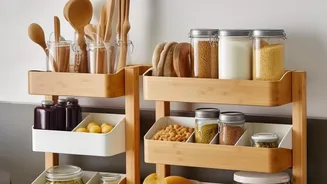
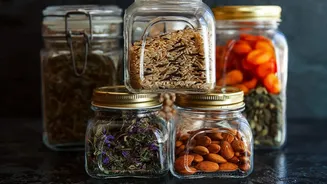
The first step after a bulk shopping trip is decanting your goods. Moving items from flimsy bags into proper containers is non-negotiable. This protects them from pests, moisture, and air, extending their shelf life significantly. Glass jars are an excellent,
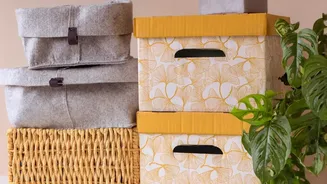
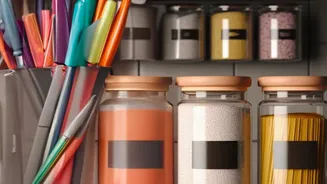
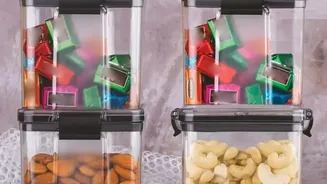
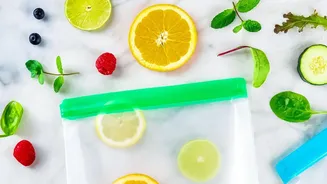
non-porous choice, allowing you to see contents at a glance. Look for jars with airtight seals, like hermetic clamp lids or screw-tops with a silicone gasket, which are ideal for keeping items like flour, sugar, and coffee fresh. For lightweight and shatterproof options, consider BPA-free plastic containers. Clear plastic lets you identify contents easily, and many are designed to be stackable, maximizing pantry space. Whatever material you choose, ensure the opening is wide enough for easy scooping and cleaning. Matching the container size to the product helps; you don't need a massive jar for a small bag of expensive spices.
The Information: A Labeling System That Works
A container without a label is a mystery box. Is that all-purpose flour or pancake mix? White sugar or salt? A clear labeling system prevents costly and tasteless mistakes. For a truly useful label, you need more than just the item's name. Always include the date you purchased or opened the item. This is crucial for rotation and ensuring you use older products first. Some people also add the 'best by' date if one was provided. There are many ways to label. A low-cost, effective method is using painter's tape and a permanent marker. For a more aesthetic and reusable option, chalk markers on glass or plastic containers work beautifully and wipe off with a damp cloth for easy updates. You can also find dissolvable labels that wash off completely, leaving no sticky residue. The key is consistency; pick a method and apply it to every container that enters your pantry.
The System: Mastering Food Rotation
You have the containers and the labels—now it's time for the process that ties it all together: rotation. The best system is one used by restaurants and grocery stores called FIFO, which stands for 'First-In, First-Out'. It’s a simple concept: the food that goes in first should be the food you use first. This practice ensures that food is consumed at its peak quality and drastically reduces waste. When you bring home a new bag of lentils, don’t just place it in front of the half-empty container already on your shelf. Instead, put the new lentils at the back, pulling the older ones forward to be used first. An even better method is to empty the remaining old lentils into a temporary bowl, pour the new lentils into the main container, and then pour the old ones back on top. This way, the oldest product is always the most accessible.
Putting It All Together for Success
This three-part system of containers, labels, and rotation turns your pantry from a chaotic storage space into a functional, money-saving extension of your kitchen. It makes inventory checks a breeze, simplifies meal planning, and gives you a clear picture of what you have, preventing duplicate purchases. You might even designate a specific shelf or bin as the 'use this first' zone for items nearing their date. Setting up the system may take an afternoon, but the long-term benefits are immense. It creates a habit that protects your financial investment in your food and provides the peace of mind that comes with an orderly and efficient home. Every meal will start with less friction when you know exactly where your ingredients are and can trust their freshness.