


The Old Hassle of Reaching Paradise
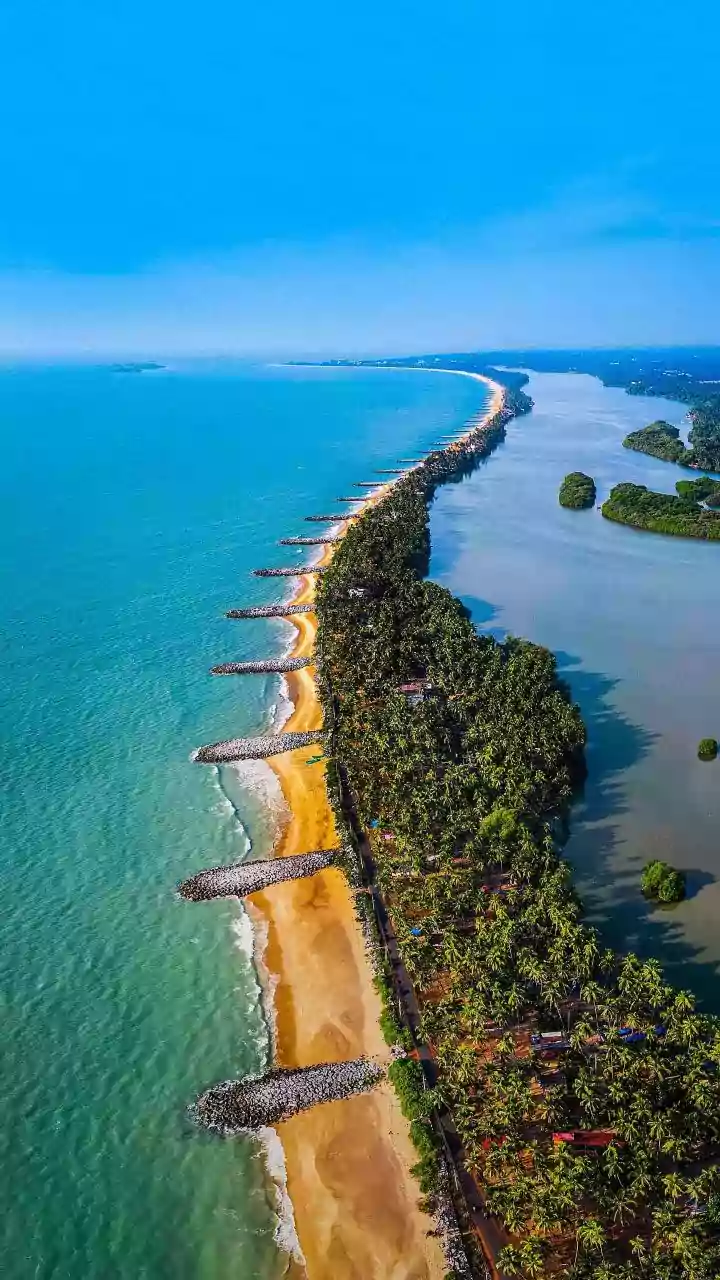
India is blessed with a vast coastline, tranquil backwaters, and stunning island archipelagos. However, reaching these idyllic spots has often been the most challenging part of the holiday. A trip to a beautiful backwater resort in Kerala or the pristine
islands of Lakshadweep often involves a multi-stage journey: a flight to the nearest major airport, followed by a long, winding road trip, and sometimes a lengthy ferry ride. For example, a road journey from Kochi to the hill station of Munnar can take over three hours, often stretched longer by traffic. Similarly, reaching the Statue of Unity from Ahmedabad previously required a road trip of nearly four hours. This significant travel time can consume a large chunk of a short holiday, turning a potential weekend getaway into a logistical challenge.
A Game-Changer for Travel Time
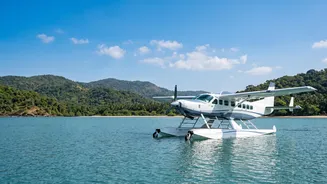
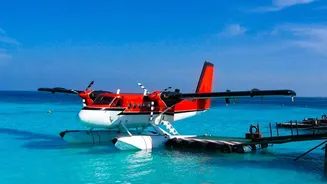
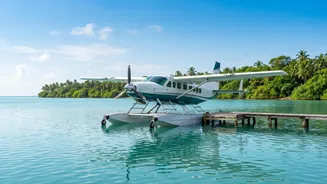
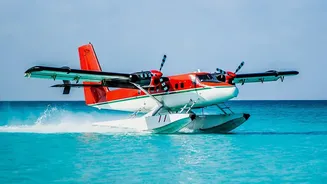
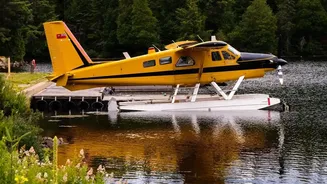
Seaplanes offer a transformative solution by turning hours of travel into minutes. These versatile aircraft can take off from and land on water bodies, bypassing the need for traditional airport infrastructure. This capability allows them to connect major cities directly to remote destinations. The pioneering seaplane service from Ahmedabad's Sabarmati Riverfront to the Statue of Unity in Kevadia cut the four-hour road journey to less than an hour. More recently, trial runs in Kerala demonstrated that a seaplane could cover the distance from Munnar to Kochi in just 16 minutes, a journey that takes four hours by road. This drastic reduction in travel time fundamentally changes the accessibility of these destinations, making spontaneous trips and shorter holidays far more feasible.
The UDAN Scheme and New Horizons
The expansion of seaplane services is being driven by the government's UDAN (Ude Desh ka Aam Nagrik) scheme, which aims to enhance regional air connectivity. Under this initiative, the government has identified and awarded routes for developing water aerodromes across the country, including locations in Gujarat, Assam, Andhra Pradesh, and the island territories of Andaman & Nicobar and Lakshadweep. Recent announcements confirm a significant push, with plans for around 150 new seaplane routes. Private operators are gearing up to connect these locations. SkyHop Aviation, India's first dedicated seaplane operator, is focusing initially on connecting the Lakshadweep islands with the mainland, a move set to revolutionize access to the archipelago. Similarly, SpiceJet has announced ambitious plans to launch services on 20 routes, connecting places like Guwahati, Shillong, and Lakshadweep.
More Than Speed: An Experience in Itself
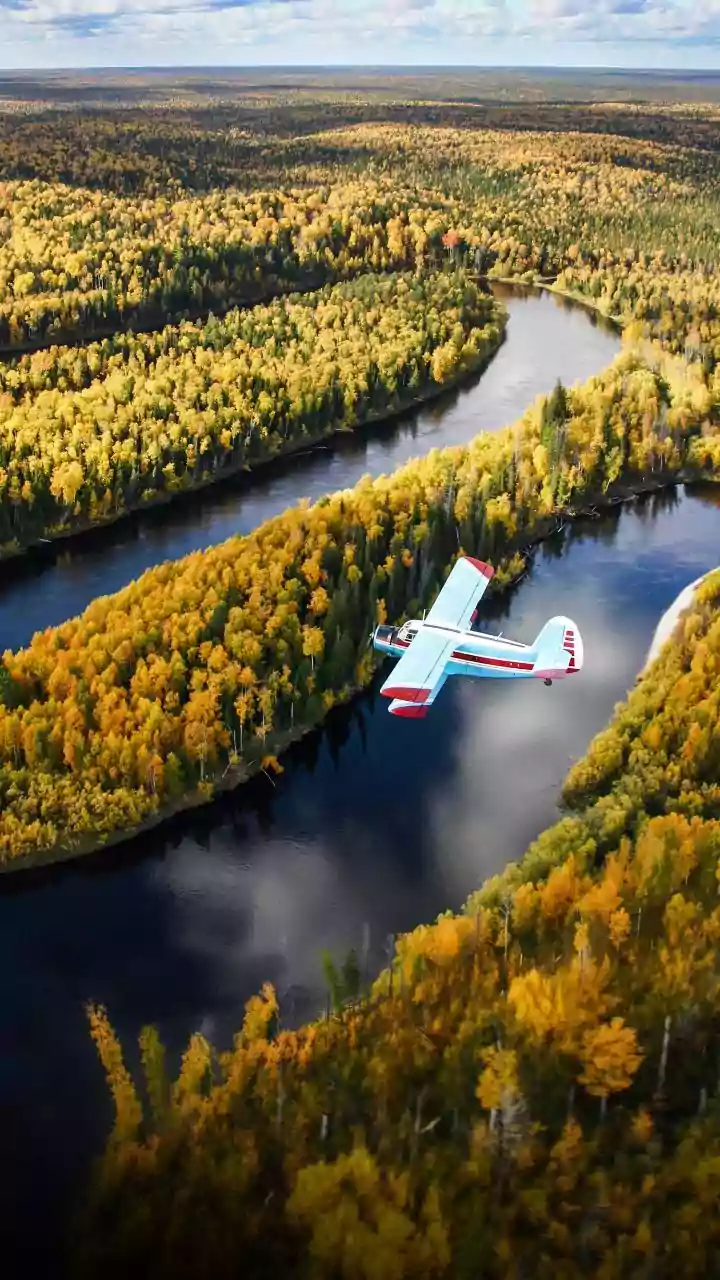
Travelling by seaplane is not just about saving time; it is an experience that adds a layer of adventure to the holiday itself. Seaplanes fly at lower altitudes than conventional aircraft, offering passengers breathtaking aerial views of the landscape below. Imagine soaring over turquoise lagoons, verdant coastlines, and intricate backwater networks before the unique thrill of landing directly on the water. This turns the journey, often a tedious necessity, into a memorable part of the vacation. The smaller capacity of these planes also ensures a more intimate and less crowded travel experience compared to congested cars or buses. Operators are marketing this scenic journey as a key part of the premium offering, attracting tourists who value unique experiences as much as convenience.
What to Expect: Cost and Practicalities
As a premium service, seaplane travel is priced higher than road or rail but offers unparalleled time savings. For instance, the proposed service from Kochi to islands in Lakshadweep is expected to have fares starting from around ₹15,000 to ₹24,000 for a one-way trip, depending on the specific island. While this may seem steep, it reflects the value of converting a 14-to-20-hour ship journey into a flight of about an hour. For shorter routes, like the proposed Kochi-Munnar service, fares could be more competitive with private taxis, estimated to be in the range of ₹3,000 to ₹4,000. Baggage allowances will likely be more restrictive than on larger commercial flights, so it is essential to check with the operator before booking.