





The Late King Arrives
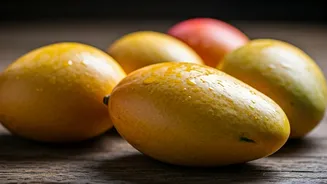
While earlier months belonged to varieties like Alphonso and Kesar, the arrival of Chausa marks the true beginning of the monsoon mango season. [13] Typically harvested from June through August, its appearance in markets across North India is a much-anticipated
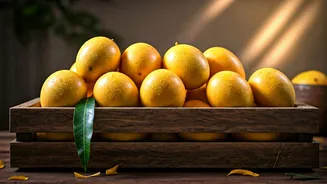
event. [2, 3] This year, the excitement is palpable as crates of these golden-yellow fruits fill the stalls. For many, the mango season isn't complete without the unique honey-sweetness of a Chausa, and its late arrival makes the indulgence feel even more special. [1] It’s the fruit that signals the season’s peak, a final, glorious burst of tropical flavour before the monsoon fully sets in. [6]
What Makes Chausa So Special?
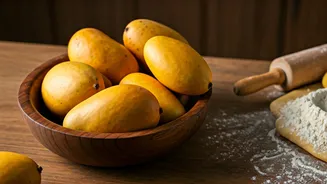
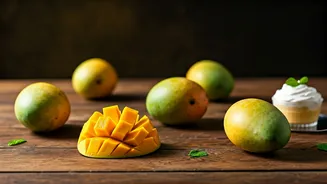
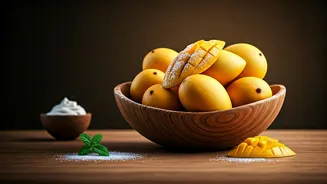
The Chausa stands apart due to its distinct taste and texture. It is renowned for its intense sweetness, rich aroma, and incredibly soft, almost melting pulp with minimal fibre. [4, 9] The flesh is a vibrant golden-yellow, and its potent, musky fragrance can fill a room. [1, 2] This variety is so juicy and soft that it's often enjoyed as a 'sucking mango', where the fruit is gently squeezed to loosen the pulp and the sweet nectar is drunk directly from the top. [1] Its name, in fact, is said to mean 'sucker' in Urdu, a testament to how every last drop of its flavour is cherished. [4] Packed with a higher Vitamin C content compared to many other cultivars, it's a guilt-free indulgence. [3, 9]
A Taste of History
The Chausa mango is steeped in history, with its origins tracing back to the 16th century. [9] Legend has it that the ruler Sher Shah Suri popularized this variety after his victory over the Mughal emperor Humayun in the Battle of Chausa in Bihar in 1539. [1, 3, 5] To commemorate the win, he named his favourite mango 'Chausa', and it was also called 'Samar Bahisht' or 'Fruit of Paradise'. [1, 3] This mango, originally from the Hardoi and Malihabad regions of Uttar Pradesh, carries a legacy of royal patronage and cultural significance, celebrated in poetry and gifted as a premium token of friendship during the monsoon. [1, 7]
The Sweet Prepping Spree Begins
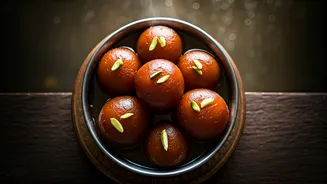
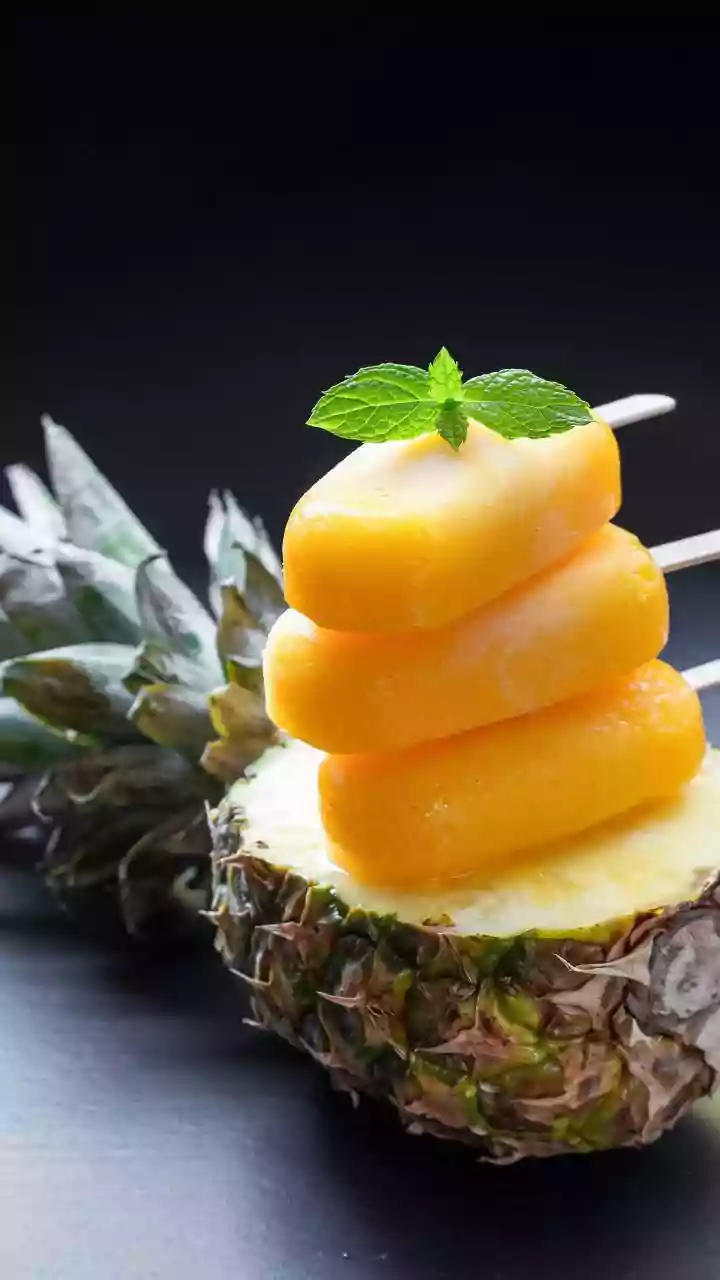
The arrival of Chausa mangoes spurs a wave of activity in kitchens. The headline's "sweet prepping spree" is no exaggeration. Given its low fibre content and intensely sweet pulp, it is the perfect candidate for making smooth and luscious *aamras* (mango pulp). [10] Its versatility extends to a wide range of culinary uses; it's blended into refreshing milkshakes and smoothies, churned into ice creams and sorbets, or used in traditional desserts like mango kheer. [9, 12, 14] Some even add chunks of it to salads for a sweet contrast or use it to create delicious chutneys and salsas. [9, 14] Of course, for the purists, there is no greater pleasure than eating a perfectly ripened Chausa as is, letting the sweet juice drip down their hands.
How to Pick the Perfect Chausa
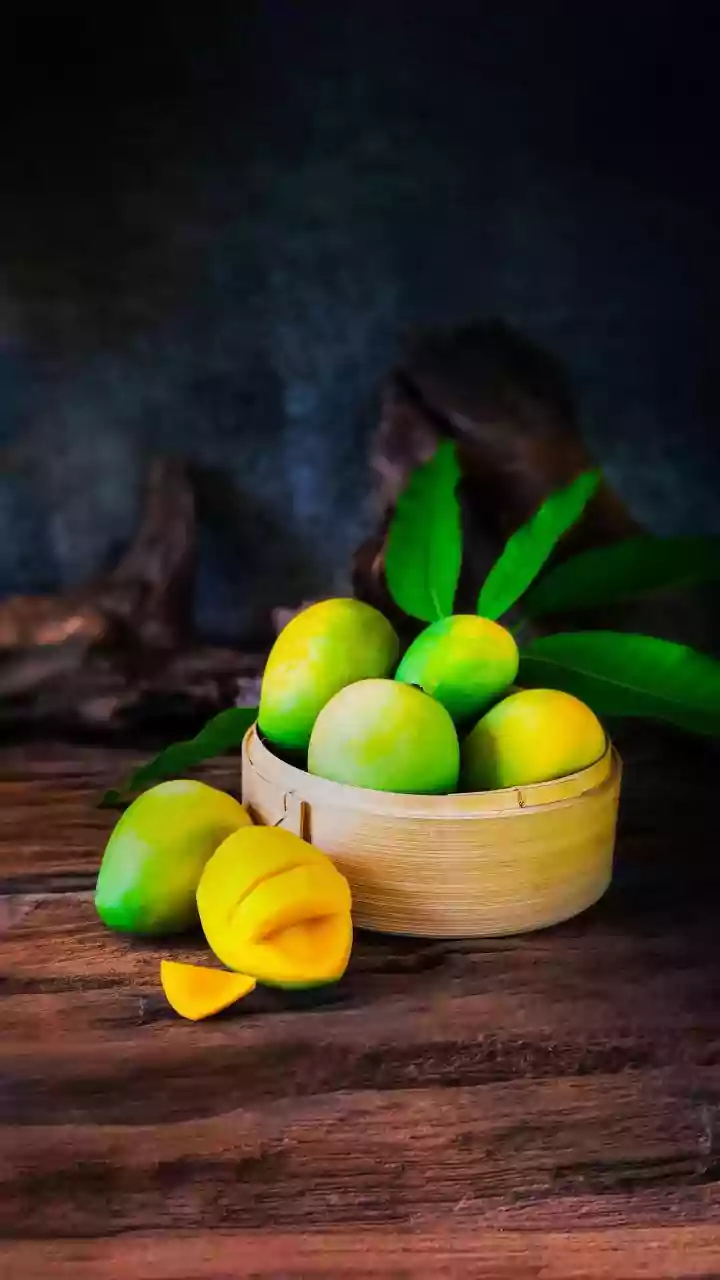
To make the most of the season, selecting the right fruit is key. A ripe Chausa will have a uniform golden-yellow colour, though it can retain a greenish tint near the shoulder. [1, 3] Don’t just rely on colour; the best indicator of ripeness is a combination of touch and smell. The fruit should yield slightly to gentle pressure without being too soft or mushy. [11] Most importantly, a ripe Chausa will have a strong, sweet, and fragrant aroma near the stem. [11] Avoid mangoes with dark spots, blemishes, or wrinkled skin, as these can be signs of overripeness or damage. [11] Once you bring them home, store them at room temperature until they ripen fully, after which they can be refrigerated for up to five days. [11]