
Assess Your Current Fitness
Before you get lost in pictures of stunning peaks, the most important first step is an honest self-assessment of your fitness. 'Beginner-friendly' in the Himalayas doesn't mean a walk in the park. Most treks still involve walking for 4-6 hours a day and
significant altitude gain. A good benchmark for many easy-to-moderate treks is the ability to run 5 km in about 40 minutes or walk briskly for a sustained period without feeling completely exhausted. If you lead a relatively sedentary life, plan to start a fitness routine at least a month or two before your trek. This should include cardiovascular exercises like jogging, cycling, or climbing stairs to build stamina. Being physically prepared is the foundation of an enjoyable and safe trek.
Consider Trek Duration and Distance
Himalayan treks can range from a short weekend trip to multi-week expeditions. As a beginner, look for treks that are typically 4 to 6 days long. This duration is manageable for a first-timer, giving you a real taste of the mountains without being overly strenuous. Pay attention to the total trek distance, which for most beginner routes is around 20-30 km in total. This usually breaks down into manageable daily walks of 4-7 km. A shorter duration helps you acclimate and build confidence for future, longer adventures.
Understand Altitude and Acclimatization
Altitude is a serious factor that distinguishes Himalayan treks from other hikes. Most beginner treks will take you to a maximum altitude of around 12,000 to 12,500 feet. While not extreme, it's high enough to require respect for acclimatization—the process by which your body adjusts to lower oxygen levels. Choose treks that feature a gradual ascent, with sleeping altitudes that don't increase too drastically each day. Poorly planned itineraries that rush the ascent can lead to altitude sickness. A well-paced trek with a rest day or shorter walking days built-in is always a safer bet for your first time.
Pick the Right Season
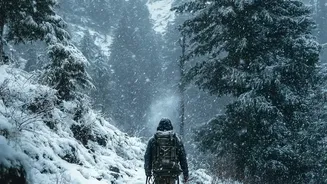
The weather in the Himalayas is unpredictable and can make or break your experience. The two main trekking windows are Spring (March to May) and Autumn (September to November). Spring offers blooming rhododendrons and pleasant temperatures, while Autumn provides clear skies and stable weather after the monsoon. Winter treks (December to February) are popular for snow, but the cold adds a layer of difficulty. Monsoon (July to August) is generally best avoided due to heavy rain, slippery trails and leeches, although some specific treks like the Valley of Flowers are at their prime during this time. For a first-timer, Autumn is often considered the safest and most rewarding season.
Top Treks for Your First Adventure
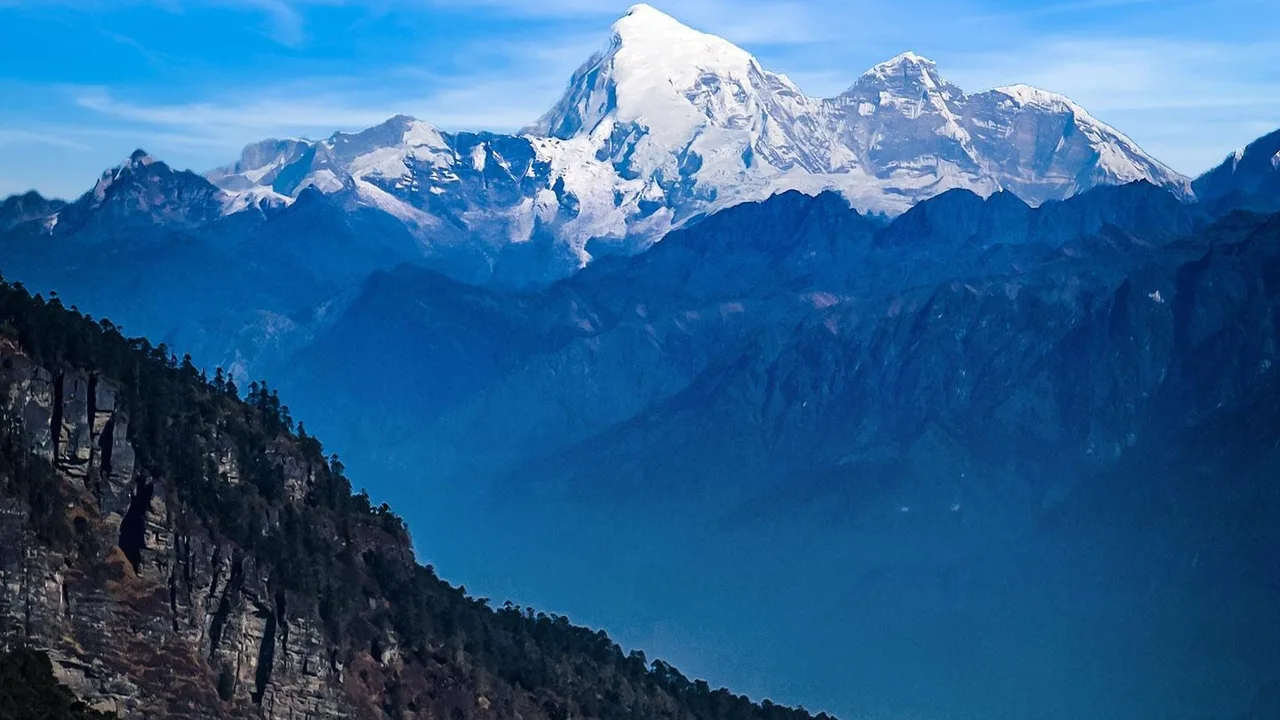
Once you've considered the factors above, you can explore specific treks. Here are a few highly recommended options in Uttarakhand for beginners: Kedarkantha Trek: Often called the 'queen of winter treks', this is an excellent choice for a first-timer who wants to experience snow. It's an easy-to-moderate trek of about 20 km over 4-5 days, reaching a summit of 12,500 feet. The trail is well-defined and the views are spectacular. Dayara Bugyal Trek: Known for its vast, beautiful meadows ('Bugyal'), this is another classic beginner's trek. It is graded as easy-to-moderate, typically taking 4-6 days and reaching an altitude of around 12,000 feet. The terrain is gentle, making it suitable for families and first-timers, especially in the spring and autumn months. Nag Tibba Trek: Perfect for a weekend getaway, this trek can be completed in just 2-3 days from its base. It covers a distance of about 16 km round-trip, reaching a height of approximately 9,915 feet. Its lower altitude and short duration make it one of the most accessible and ideal introductory treks to the Himalayas. Brahmatal Trek: Graded easy-to-moderate, this trek is famous for its stunning views of high peaks like Mt. Trishul and Nanda Ghunti and its frozen alpine lakes in winter. The trek takes around 6 days, covering about 24-28 km and reaching a maximum altitude of 12,250 feet. It's a great option for fit beginners looking for a rewarding winter experience.