

An Era's End, A Market's Birth
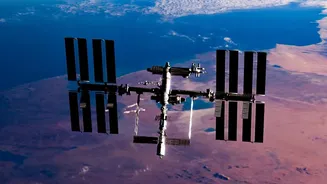
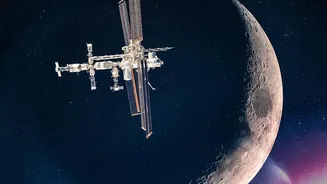
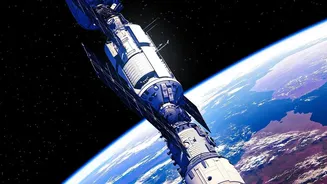
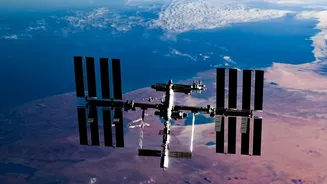
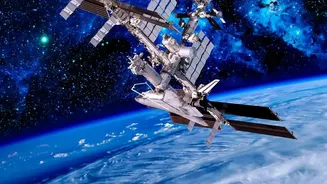
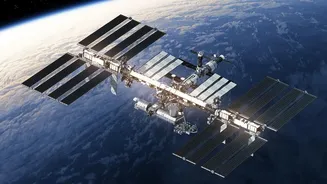
The International Space Station, a triumph of global cooperation, is aging. After more than 30 years in orbit, the massive structure is showing signs of wear from constant thermal stress and the unforgiving environment of space. With maintenance costs
rising, NASA and its partners have slated the station for a controlled deorbit into a remote part of the Pacific Ocean around 2030. Instead of building a replacement, NASA is pivoting its strategy. Drawing on the success of its commercial crew and cargo programs, the agency is fostering a new commercial marketplace in low-Earth orbit (LEO). Through its Commercial LEO Destinations (CLD) program, NASA is funding several private companies to develop their own space stations. The goal is for NASA to become just one of many customers, buying services like research time and crew accommodation, rather than owning and operating the hardware itself. This shift is designed to lower costs, drive innovation, and allow NASA to focus its own resources on ambitious deep-space missions to the Moon and Mars under the Artemis program.
The Race to Build Orbital Real Estate
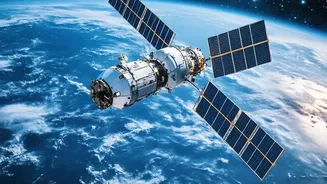
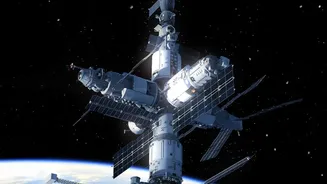
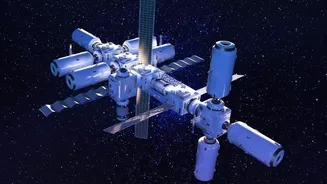
Several ventures are now competing to build the successors to the ISS. Axiom Space is a prominent player, with a unique plan to first attach its commercial modules to the ISS. These modules will eventually detach to form the free-flying Axiom Station. The company has adjusted its timeline and now hopes to operate as an independent platform as early as 2028. Another major contender is Orbital Reef, a joint project led by Blue Origin and Sierra Space, with Boeing also playing a key role. They envision their station as a 'mixed-use business park' in space, designed to serve a wide range of clients including governments, private industry, and even tourists. A third primary project is Starlab, from a joint venture including Voyager Space and Airbus. Starlab is being designed as a continuously crewed science and research park in orbit. These companies are not just building laboratories; they are creating the foundational infrastructure for a future LEO economy.
More Than Just a New Address in Space
The business model for these next-generation stations extends far beyond government science missions. Private operators are planning to host a diverse portfolio of activities. These include in-space manufacturing of high-value products like specialized fiber optics and pharmaceuticals, which can be produced with higher quality in a microgravity environment. Other potential markets include private astronaut missions for foreign countries without their own space programs, university research, and the long-anticipated market for space tourism. Companies are already taking reservations for research payloads and other commercial activities. The success of this new model hinges on creating a robust market beyond NASA. While the U.S. space agency will be a crucial anchor tenant, the long-term viability of these private stations depends on their ability to attract a variety of commercial customers and generate sustainable revenue.
The Challenges of a New Frontier
The transition from a government-run monopoly in LEO to a competitive commercial market is not without significant hurdles. A primary concern is preventing a 'space station gap'—a period where the ISS is gone but no commercial alternative is ready. Such a gap would mean losing a continuous U.S. human presence in LEO for the first time in three decades and could leave China's Tiangong space station as the only operational outpost. The technical and financial challenges of building and launching a space station are immense. Timelines can and do slip. Furthermore, while NASA's CLD program provides critical seed funding, the companies themselves must raise substantial private capital to complete their ambitious projects. Successfully demonstrating that a profitable business case exists for these orbital platforms is the ultimate test. The coming years will be critical in determining whether this bold new chapter in space exploration can truly take flight.