




The Modern Desk Dilemma
The life of a sedentary worker often follows a predictable energy pattern: a rush of morning productivity followed by a post-lunch fog and a desperate reach for coffee or snacks. This rollercoaster is frequently fuelled by high-glycemic breakfasts like
toast, pastries, or sweetened cereals. These foods cause a rapid spike in blood sugar, giving you a quick burst of energy, but it's followed by an inevitable crash that leaves you feeling drained and unfocused. For those who spend most of their day sitting, this cycle can contribute to weight gain and long-term health issues. The key to breaking this cycle lies in starting the day with a meal that provides slow-releasing, sustained energy.
What Are Ancient Grains and Malts?
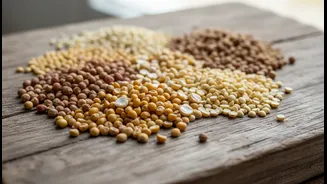
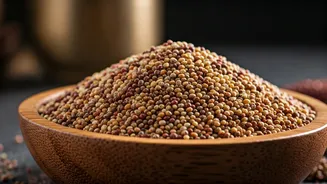
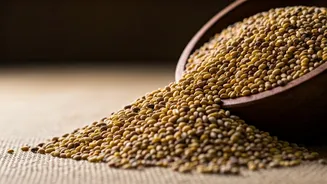
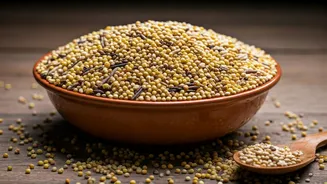
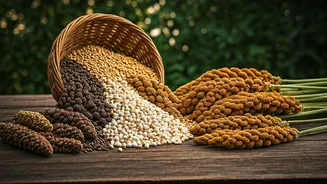
The term "ancient grains" refers to grains that have remained largely unchanged for centuries, unlike modern wheat and rice which have been heavily modified for higher yields. In India, this includes staples like ragi (finger millet), jowar (sorghum), and bajra (pearl millet). These grains are making a comeback in Indian kitchens as people rediscover their nutritional benefits. The process of "malting" takes this a step further. It involves sprouting the grain, then carefully drying it. This process not only makes the grains easier to digest but also enhances their nutritional profile. Malting can increase the bioavailability of minerals and vitamins, boost protein and fibre content, and even reduce anti-nutrients that can hinder digestion.
The Low-Glycemic Advantage
The Glycemic Index (GI) is a scale that ranks foods based on how quickly they raise blood sugar levels. High-GI foods are digested quickly, causing sharp spikes and subsequent crashes in blood sugar. Low-GI foods, on the other hand, are digested slowly, providing a steady release of glucose into the bloodstream. This is crucial for sedentary workers. A low-glycemic breakfast prevents the energy slump, curbs cravings for unhealthy snacks, and improves focus and concentration throughout the day. Studies have shown that a low-GI diet supports better blood sugar management, which is essential for reducing the risk of chronic conditions like type 2 diabetes.
Your New Breakfast Champions
Several ancient grain malts popular in India are perfect low-to-medium GI breakfast options. Ragi (Finger Millet) is a nutritional powerhouse, especially high in calcium. Its GI is in the low-to-medium range, making it a great choice for sustained energy. Jowar (Sorghum) is another excellent all-rounder, rich in fibre and antioxidants. It has a medium GI, still much lower than refined grains, and supports good gut health. Bajra (Pearl Millet) boasts the lowest glycemic index among the three, making it a top contender for blood sugar control. It's also rich in magnesium, which helps improve insulin sensitivity. The malted versions of these grains offer these benefits in a more digestible and nutrient-rich form.
Making the Switch Simple
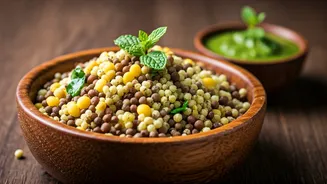
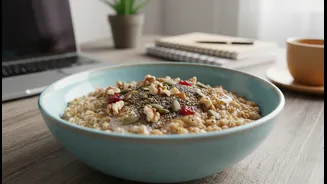
Incorporating ancient grain malts into your morning routine is surprisingly easy. The most common way is to prepare a simple porridge, often known as 'kanji' or 'koozh'. Simply mix the malt powder with water or milk and cook for a few minutes until it thickens. You can customize it to your taste. For a sweet version, add a touch of jaggery and a pinch of cardamom. For a savoury breakfast, mix the cooked porridge with buttermilk, salt, and perhaps some finely chopped onions for a refreshing and filling meal. Many brands now offer pre-packaged ancient grain malt mixes, making it a convenient option for busy mornings. You can start by replacing your current breakfast with a warm bowl of ragi or jowar malt just a few times a week to notice the difference in your energy levels.