





From Trash to Viral Treasure
The star of this trend is the watermelon rind—specifically, the thick, white part between the green skin and the sweet, red flesh. For generations, this part of the fruit has been unceremoniously tossed into the compost bin. But now, driven by a wave
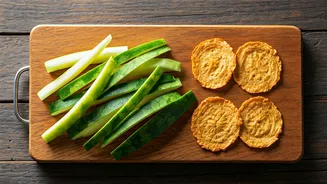
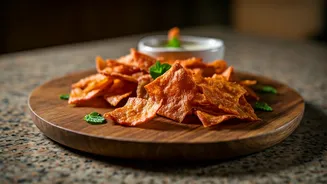
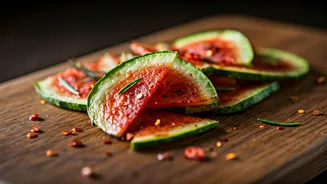
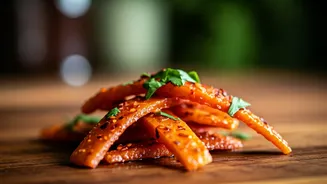
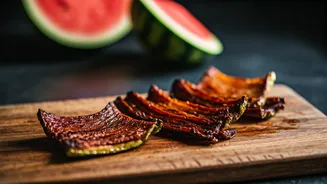
of culinary curiosity on platforms like TikTok and Instagram, home cooks are transforming it into something new: a chewy, dehydrated snack often called 'watermelon jerky' or 'watermelon candy'. The process involves peeling the tough green outer layer, slicing the white rind into strips, marinating them, and then baking them at a very low temperature for several hours. The result is a semi-translucent, intensely chewy strip that takes on the flavour of its marinade, turning a would-be food scrap into a conversation-starting treat.
The Zero-Waste Cooking Movement
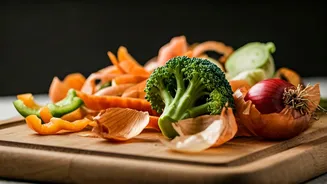
So, why this, and why now? This trend isn’t just about creating a weird snack; it’s part of a much larger movement toward reducing food waste. As awareness grows around the environmental and financial costs of throwing food away, people are actively seeking ways to use every part of their produce. This 'root-to-fruit' philosophy is the plant-based equivalent of the 'nose-to-tail' movement in butchery. Viral recipes for turning broccoli stems into 'fries', carrot tops into pesto, and now watermelon rinds into jerky tap into a collective desire to be more sustainable and resourceful. It feels good to create something delicious from an item you would have otherwise discarded. The visual transformation from bland white rind to vibrant, jewel-toned 'candy' is also incredibly compelling for platforms like TikTok, making it perfect viral content.
How It’s Actually Made
The magic of the transformation lies in the marinade and the low-and-slow baking process. After peeling and slicing the rind, creators marinate the strips for at least a few hours. For a savoury, jerky-like version, the marinade often includes soy sauce, liquid smoke, smoked paprika, garlic powder, and a touch of maple syrup for balance. For a sweet, candy-like version, the marinade might be a simple mixture of sugar, water, and lime juice, sometimes with spices like cinnamon or ginger. Once thoroughly flavoured, the strips are laid out on a baking sheet and baked at a low temperature—typically around 90-100°C (200°F)—for two to four hours. The goal isn't to cook them quickly but to slowly dehydrate them until they become dense and chewy, concentrating the flavours of the marinade.
But Does It Taste Good?
This is the million-rupee question. The internet is divided, but the consensus leans toward surprisingly positive. The rind itself is quite neutral, acting like a sponge that soaks up the marinade. Those who have tried the savoury version often describe it as having a uniquely satisfying, chewy texture that’s reminiscent of meat-based jerky, but with a flavour profile that’s entirely its own. The sweet version is often compared to candied fruit or gummy sweets, with a firm bite and a sugary kick. The texture seems to be the main draw—it’s unlike the fruit’s flesh and offers a completely new eating experience. While some find it underwhelming or texturally odd, the majority of creators who have tried the trend seem genuinely impressed, especially given the humble starting ingredient.
A Trend Worth Trying?
Unlike some questionable internet food hacks, this one is rooted in established culinary traditions. Pickled watermelon rind has been a staple in South Indian and American Southern cuisine for centuries, proving the rind’s edibility and versatility. This new, slow-baked iteration is simply a modern adaptation that suits current tastes for jerky-like textures and umami-rich flavours. It’s a low-risk, high-reward kitchen experiment. At worst, you spend an afternoon making a snack you don’t love. At best, you discover a new favourite treat and prevent food from going to waste. It perfectly encapsulates modern internet food culture: a blend of sustainability, visual appeal, and the simple joy of turning something ordinary into something extraordinary.