





A Quick Note on Monsoon Gardening
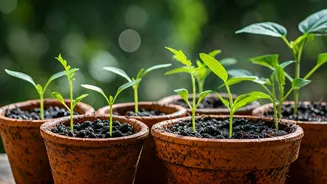
Before we dive into the list, a crucial tip for monsoon gardening is to ensure good drainage. While these vegetables love moisture, their roots can rot if left sitting in stagnant water. Planting in pots with drainage holes or on small, raised soil beds
(mounds) can make all the difference. This simple step prevents waterlogging and sets your garden up for success. Now, let's explore some of the easiest and most rewarding vegetables to grow this season.
Lady's Finger (Bhindi)
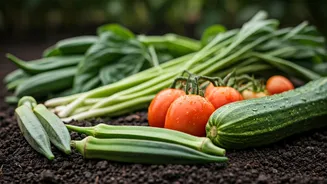
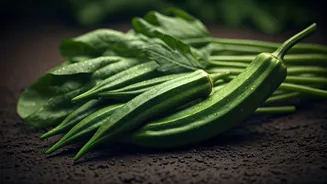
A staple in Indian kitchens, Bhindi is one of the most resilient and low-maintenance plants for a monsoon garden. It thrives in the warm, humid conditions that the rainy season provides. Plant the seeds directly into your pots or garden bed, and you can expect to see sprouts within a week. Bhindi plants are generally pest-resistant and grow rapidly, often producing their first pods within 45-50 days. They require full sun, so choose a spot that gets at least 5-6 hours of direct sunlight. The biggest advantage? You rarely have to worry about watering them once the monsoon sets in.
Gourds (Lauki, Turai, Karela)
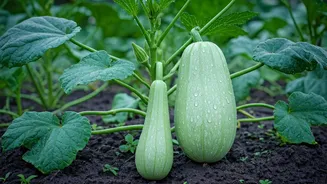
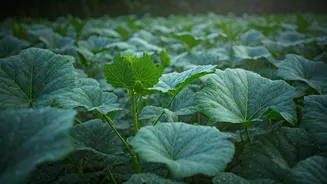
The gourd family is a monsoon superstar. Whether you prefer Bottle Gourd (Lauki), Ridge Gourd (Turai), or even Bitter Gourd (Karela), these climbers are incredibly easy to cultivate. Their sprawling vines love the rainy weather and grow vigorously. Plant seeds near a fence, wall, or trellis that they can climb. This vertical growth not only saves space but also keeps the fruits off the wet ground, preventing them from rotting. They grow so quickly that you can often harvest them multiple times throughout the season, providing a steady supply for your kitchen.
Cucumber (Kheera)
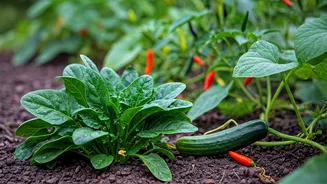
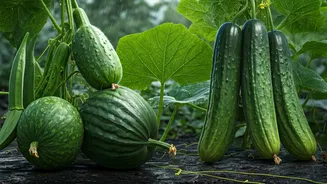
Nothing is more refreshing than a homegrown cucumber, and the monsoon is an excellent time to grow them. Cucumbers are heavy feeders and love the consistent moisture that the rainy season offers. Like gourds, they are creepers and benefit from a support structure to climb on. This helps with air circulation, reducing the risk of fungal diseases that can be common in damp conditions. With adequate sunlight and well-draining soil, you'll be harvesting crisp, juicy cucumbers in no time. They are relatively fast-growing, with some varieties ready for picking in as little as 50-60 days.
Amaranth Greens (Chaulai Saag)
If you want quick results, look no further than Amaranth Greens. This leafy vegetable, known locally as Chaulai or Rajgira Saag, is incredibly easy to grow from seed and is ready for its first harvest in just 25-30 days. It thrives in the monsoon's damp soil and warm temperatures. You can simply scatter the tiny seeds over a prepared bed or in a wide pot. As you harvest the leaves, the plant continues to produce more, giving you a continuous supply of nutritious greens. It's a 'cut-and-come-again' vegetable that requires almost no attention once established.
Cluster Beans (Gawar)
Cluster Beans are a hardy, drought-tolerant crop that also performs exceptionally well in the monsoon. These plants are nitrogen-fixers, meaning they actually improve the quality of the soil they grow in. Gawar is a very forgiving plant, making it ideal for beginners. It doesn't require much fertiliser and is not particularly prone to pests or diseases. Plant the seeds in a sunny spot, and they will grow into bushy shrubs that produce generous bunches of beans. They are an excellent choice for adding both nutrition to your diet and health to your garden soil.