





The Allure and Ambush of Monsoon Travel
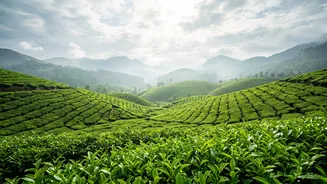
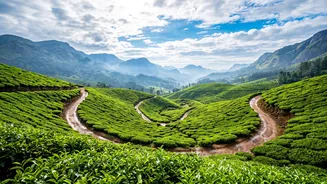
There’s an undeniable magic to travelling during the rainy season. Waterfalls are at their most dramatic, hills are wrapped in mist, and popular destinations are quieter and more affordable. However, the same rains that create these stunning landscapes
can also lead to significant travel disruptions. Unpredictable weather can mean sudden downpours, flash floods, and landslides, turning a dream holiday into a logistical nightmare. Common issues include waterlogged roads, unreliable transport, and even power outages, especially in rural or hilly areas. Beyond inconvenience, there are also health considerations, as the humid, wet conditions can increase the risk of water-borne and mosquito-borne illnesses.
Flight Delays, Cancellations, and Missed Connections
Air travel is one of the most common casualties of monsoon weather. Heavy rain, poor visibility, and waterlogging at airports frequently lead to flight delays and cancellations. A single delay can have a domino effect, causing you to miss a connecting flight and forcing costly, last-minute rebooking. While airlines may offer a refund or a seat on the next available flight, they are often not responsible for consequential losses like non-refundable hotel bookings or tour payments. This is where travel insurance can step in. Many policies offer coverage for trip delays, which reimburses you for expenses like meals and accommodation after a specified delay period, typically six to twelve hours.
Trip Cancellation and Interruption Coverage
What if a severe weather event makes your destination inaccessible or unsafe? Most comprehensive travel insurance plans include Trip Cancellation and Trip Interruption benefits. Trip Cancellation reimburses your pre-paid, non-refundable expenses if you have to cancel your trip before it begins for a covered reason. Trip Interruption provides coverage if you have to cut your trip short. For weather, this coverage typically applies only when a common carrier (like an airline) ceases operations for a set period, or a natural disaster like a major flood or cyclone makes your destination uninhabitable or subject to a mandatory evacuation order. Simply cancelling because rain is in the forecast is not a covered reason.
Reading the Fine Print: Foreseeable Events and Exclusions
The single most important rule with weather-related travel insurance is the concept of a 'foreseeable event'. Once a storm is named (e.g., Cyclone Remal) or a severe weather warning is issued, it becomes a known event. If you purchase your policy after this point, any claims related to that specific storm will likely be denied. This is why it is crucial to buy travel insurance as soon as you book your trip. Furthermore, standard policies won’t cover you if you simply change your mind about travelling because of bad weather. For that level of flexibility, you would need to purchase a more expensive 'Cancel For Any Reason' (CFAR) add-on, which typically reimburses only a percentage (50-75%) of your costs and must be bought shortly after your initial trip booking.
Medical Emergencies and Health Risks
The monsoon season brings a heightened risk of health issues, from dengue and malaria to stomach infections from contaminated food and water. An unexpected illness or injury can lead to significant medical bills, especially if you require treatment at a private hospital. A good travel insurance policy will include emergency medical coverage to handle these costs. For those planning adventurous activities like trekking, it's also vital to check if your policy covers medical evacuation, which can be essential if you need to be transported from a remote area to a better-equipped medical facility.