





Mandatory Documents and Registration
Before you pack a single jacket, ensure your paperwork is in order. This is the most critical step. Every pilgrim must have a Yatra Permit, which is obtained after registration through the official Shri Amarnathji Shrine Board (SASB) portal or designated
bank branches. To register, a Compulsory Health Certificate (CHC) from an SASB-authorised doctor is mandatory. This certificate confirms you are fit for high-altitude trekking. Remember, pilgrims must be between 13 and 70 years old, and pregnant women beyond six weeks are not permitted. Keep your government-issued photo ID (like an Aadhaar card), the CHC, and the Yatra Permit in a waterproof pouch. Upon arrival, you will also be issued a mandatory RFID card, which must be worn throughout the yatra for safety and tracking.
Clothing: The Art of Layering
In the Himalayas, the weather is famously unpredictable; a sunny morning can quickly turn into a cold, rainy afternoon. The key to comfort and safety is layering. Avoid bulky, heavy clothes and instead pack multiple layers you can add or remove. Start with a base layer of thermal innerwear to wick away moisture. Add a middle layer for insulation, such as a fleece jacket. The outermost layer must be a waterproof and windproof jacket and trousers to protect against rain and chilly winds, which are common. Also, pack several pairs of warm, woolen socks, as keeping your feet dry is crucial to prevent blisters. A woolen cap or balaclava, a scarf, and waterproof gloves are non-negotiable items to protect against the cold, especially during early morning treks or at higher altitudes.
Footwear: Your Most Important Gear
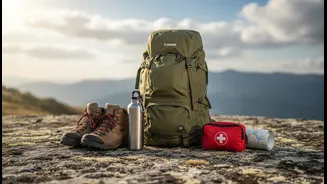
The Amarnath trek involves long hours of walking on uneven, rocky, and often slippery or muddy paths. Your choice of footwear can make or break your journey. Invest in a pair of high-quality, waterproof trekking shoes with high ankle support and a good grip. Do not wear new shoes for the yatra; break them in by wearing them for a few weeks beforehand. Slippers or sandals are strictly forbidden on the trail. A good pair of shoes not only provides comfort but also prevents injuries and ensures stability on the challenging terrain.
Personal Medical and First-Aid Kit
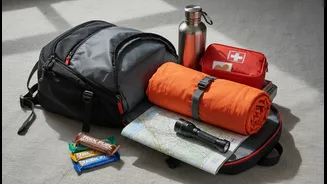
While medical camps are available along the route, it is wise to carry a personal first-aid kit for immediate needs. Your kit should include any personal prescription medications, along with basics like painkillers for headaches, bandages, antiseptic cream, muscle relaxant spray or cream, and medication for nausea or an upset stomach. Due to the high altitude, symptoms of Acute Mountain Sickness (AMS) like headaches and dizziness can occur. Consult your doctor about preventative medication for altitude sickness. Also, pack sunscreen and lip balm with SPF, as UV exposure is much stronger at high altitudes.
Sustenance and Hydration on the Trail
Staying hydrated and energized is vital. Carry a reusable water bottle and drink at least 5 litres of fluid daily to combat dehydration. While langars (community kitchens) provide free food, it’s smart to carry your own high-energy snacks for a quick boost. Pack items like nuts, dried fruits, energy bars, glucose packets, and chocolates. These lightweight snacks are easy to carry and provide instant energy during strenuous parts of the trek.
Other Essential Items
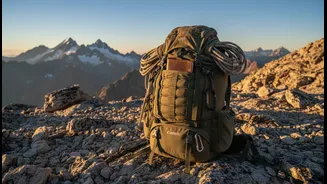
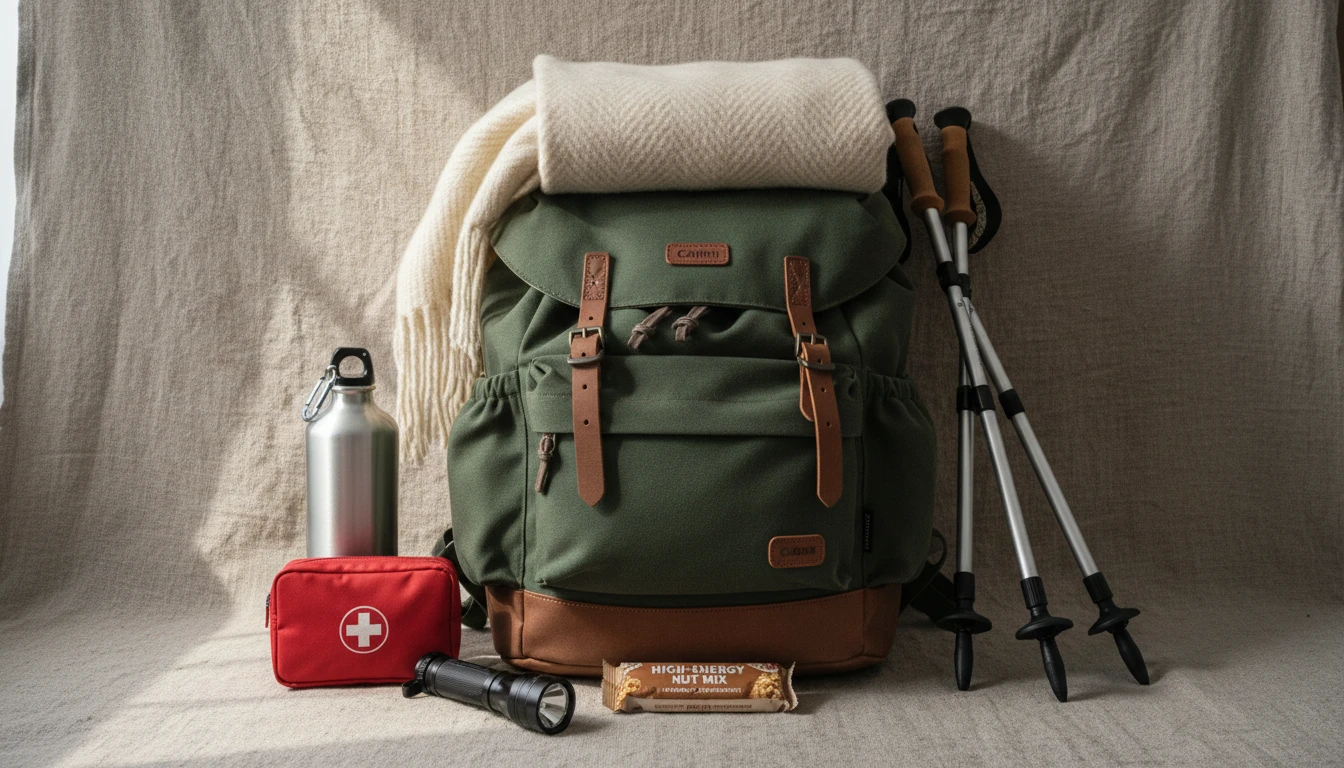
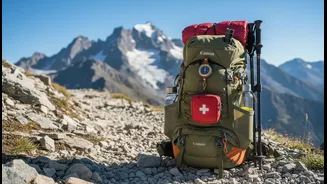
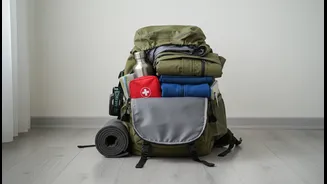
A comfortable, waterproof backpack (30-40 litres) is essential to carry your belongings. A trekking pole or walking stick provides stability and reduces strain on your knees, especially on steep sections. A headlamp or a small torch with extra batteries is crucial for early morning or late evening walking. For connectivity, only postpaid connections work in Jammu and Kashmir, and BSNL has the best coverage on the yatra route. BSNL often offers a special 'Yatra SIM' for pilgrims. Lastly, pack a power bank to keep your devices charged, along with a rain cover for your backpack.