



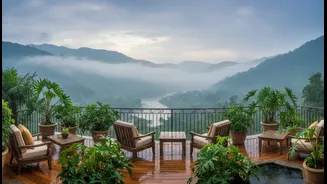



The Backlash to ‘Overtourism’
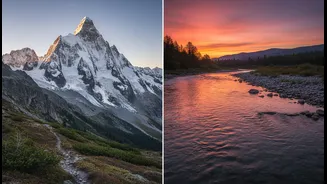
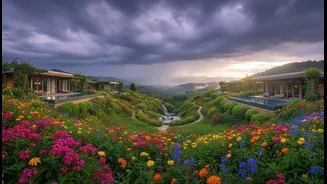
For many young Indians, the postcard image of a serene hill station has been replaced by the grim reality of overtourism. Bumper-to-bumper traffic, overflowing hotels, and strained local resources are now hallmarks of once-peaceful towns. Places like
Shimla, Manali, and Mussoorie, designed for much smaller populations, are now creaking under the pressure of millions of visitors, leading to water shortages and environmental degradation. This experience of checklist tourism, where the goal is to quickly see popular spots, is leaving many feeling unfulfilled. Younger travellers, increasingly aware of their environmental and social impact, are deliberately choosing to step away from this model.
Redefining the ‘Spiritual’ Journey
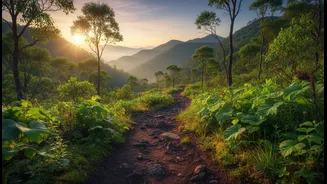
The turn towards spiritual travel isn't just about visiting traditional pilgrimage sites, though that trend is also growing among the youth. Data shows that travellers from the Gen Z demographic now account for over half of the journeys to spiritual destinations in India. However, for many, 'spiritual' has a broader meaning. It’s about disconnecting from a hyper-connected world to reconnect with oneself. This spirituality is found not just in temples, but in mindful moments—a quiet trek, a conversation with a local artisan, or simply watching a sunset without the pressure to post it online. It's a quest for inner peace and mental well-being, a direct antidote to urban burnout.
The Allure of Authenticity
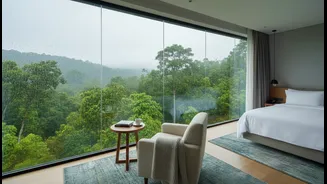
At the heart of this shift is a deep-seated desire for authenticity. Today's young explorers are not looking for the polished, standardized comfort of a commercial resort; they are seeking genuine connection. This has fuelled the rise of homestays, which offer a window into local life that a hotel cannot. It's about sharing home-cooked meals, learning about local customs, and seeing a place through the eyes of its residents. For this generation, travel is a form of self-expression, and they want their journeys to feel personal and unique, not pre-packaged. They are choosing experiences that feel real over those curated for tourists.
Slow Travel as the New Luxury
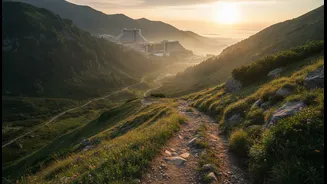
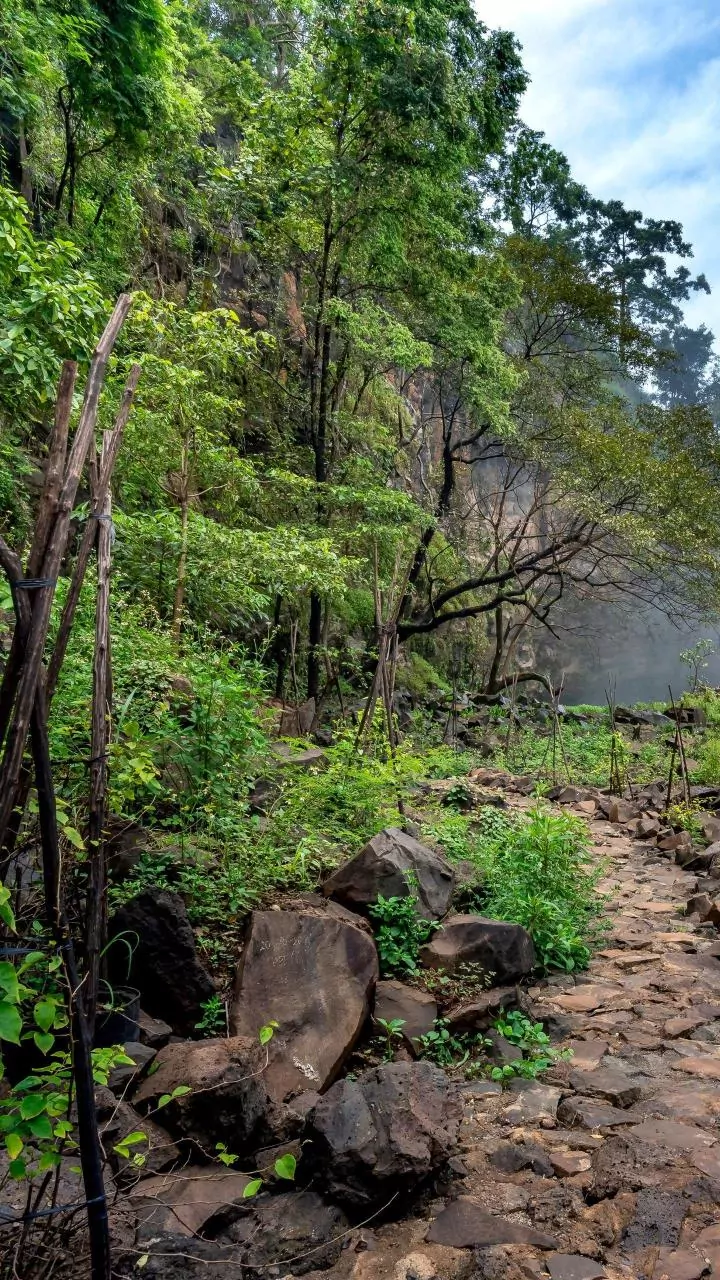
This movement has a name: slow travel. It’s the practice of staying longer in one place, favouring depth of experience over the breadth of a packed itinerary. Instead of rushing between cities, the focus is on immersing oneself in a single community or region, be it a village in Spiti Valley, the backwaters of Kerala, or a tea estate in Assam. This approach is not only more relaxing but also more sustainable, as it supports local economies directly and reduces the carbon footprint associated with rapid, multi-destination trips. In a world that constantly demands speed and efficiency, the decision to slow down has become the ultimate luxury.