




Mistake 1: Watering on a Schedule
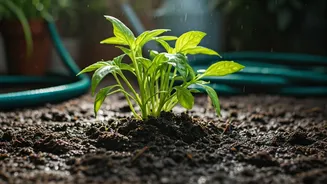
This is the most common and deadliest monsoon mistake. During hot, dry months, a regular watering schedule might work. But during the monsoon, the air is saturated with moisture, evaporation is slow, and the soil stays damp for much longer. Continuing
to water every two days out of habit will lead to waterlogged soil, the number one cause of root rot. When roots sit in soggy soil, they can't access oxygen and begin to decay, quickly killing the plant from the ground up. **The Fix:** Ditch the schedule and rely on touch. Insert your finger about an inch or two into the soil. If it feels damp, do not water. Wait until the top layer of soil is completely dry. For most plants, this might mean watering only once a week or even less during periods of heavy rain.
Mistake 2: Using the Wrong Soil or Pot
Good intentions are useless against bad drainage. If your pot doesn't have a drainage hole, or if your soil is too dense (like heavy garden soil or 'mitti'), water has nowhere to go. It will stagnate at the bottom, creating a swampy environment perfect for root rot. Many store-bought plants come in less-than-ideal potting mixes that retain too much water for the humid Indian monsoon. **The Fix:** Before the monsoon begins, repot your plants in a well-draining medium. A good mix for most houseplants is one part soil, one part cocopeat (for moisture retention without sogginess), and one part perlite or coarse sand (for aeration). Always, always use pots with drainage holes. If you love a decorative pot without a hole, use it as a 'cachepot'—place the plant in a smaller plastic pot with holes and then set that inside the decorative one. Remember to empty any excess water from the outer pot after watering.
Mistake 3: Ignoring Pests and Fungi
The monsoon is a paradise for pests. The warm, damp conditions are the perfect breeding ground for fungus gnats, mealybugs, spider mites, and slugs. More insidiously, it’s prime time for fungal diseases like powdery mildew and black spot, which thrive on damp leaves and poor air circulation. These issues can spread rapidly from plant to plant, weakening them and potentially causing irreversible damage. **The Fix:** Be vigilant. Inspect your plants every few days, checking under the leaves and around the stems. To prevent fungal issues, avoid getting the leaves wet when you water; aim for the soil. Improve air circulation by not crowding plants together. If you spot pests, act immediately. A simple spray of neem oil solution (mix a few drops of neem oil and a drop of liquid soap in water) every 10-15 days is an excellent organic preventative measure and treatment for many common pests.
Mistake 4: Forgetting About Light
While we may enjoy the grey, overcast skies, your sun-loving plants do not. A succulent or flowering plant that was happy in a sunny balcony spot during summer may now be struggling with significantly reduced light levels. A lack of adequate light causes 'etiolation'—the plant becomes pale, stretched, and weak as it desperately reaches for a light source. This weakens its overall health, making it more susceptible to pests and diseases. **The Fix:** Observe how the light changes in your home during the monsoon. You may need to move your plants to the brightest possible location, like a west-facing window that gets afternoon sun or the least obstructed part of your balcony. For very light-hungry plants, consider supplementing with a simple LED grow light for a few hours each day.
Mistake 5: Over-Fertilising
Many gardeners assume that feeding their plants will help them power through the gloomy weather. This is often counterproductive. For most tropical plants, the reduced light and cooler temperatures of the monsoon signal a period of slower growth, not a growth spurt. Adding fertiliser to a plant that isn’t actively growing can overwhelm it. The unused mineral salts build up in the soil, which can 'burn' the delicate roots, causing serious damage. **The Fix:** Reduce or completely stop fertilising during the monsoon. The plants are not in a position to use the extra nutrients. Wait until the season changes and you see signs of new, active growth—brighter days and new leaves—before you resume your regular feeding schedule. Your plants will thank you for the rest.