

The Science of Pet Boredom
Pets, much like people, experience a psychological phenomenon known as habituation. When they are exposed to the same object day after day, it loses its novelty and fades into the background. That exciting squeaky mouse or durable chew toy that once brought
hours of fun eventually becomes just another part of the furniture. This is why a pet might ignore a basket full of toys and instead turn to chewing on your shoes or scratching the sofa. Boredom in pets can lead to a range of undesirable behaviours, including restlessness, excessive vocalization, and destructiveness. They aren't being naughty; their brains are simply craving new challenges and stimulation.
The Power of Novelty and Mental Stimulation
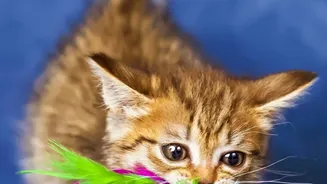
Rotating toys is a simple yet effective way to combat habituation by reintroducing 'new' items into their environment. When a toy disappears for a while and then returns, it feels fresh and exciting again, reactivating your pet's natural curiosity and exploratory instincts. This novelty is crucial for mental enrichment, which is just as important as physical exercise. Providing regular mental stimulation helps keep your pet's mind sharp, reduces stress and anxiety, and prevents the destructive behaviours that often stem from boredom. Furthermore, engaging with different types of toys encourages pets to use various senses and skills, from a dog's powerful sense of smell with a puzzle feeder to a cat's hunting instincts with a feather wand.
How to Create a Toy Rotation System
Implementing a toy rotation system is straightforward and requires little more than a bit of organization. Start by gathering all of your pet's toys. Inspect them for any damage and discard any that are broken or unsafe. Then, categorize the toys by type, such as puzzle toys, chew toys, plush toys, and interactive toys. The next step is to divide them into a few groups. Keep only one group of toys out for your pet at a time, storing the others out of sight and reach. A good starting point is to have two to four curated selections. Offer your pet one selection of a few different toy types, and then swap it for a 'new' set every week or so. The key is to create a predictable routine that keeps things feeling fresh without being overwhelming.
Choosing the Right Toys for Dogs and Cats
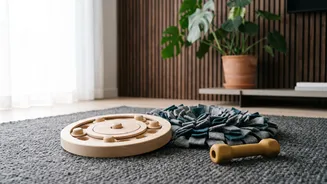
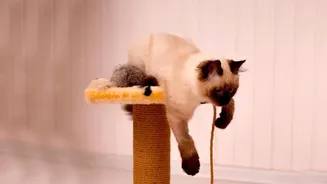
Variety is essential for a successful rotation. For dogs, a good mix includes durable chew toys for dental health, puzzle toys or treat-dispensing balls to engage their problem-solving skills, and soft toys for comfort. Tugs and fetch toys are great for interactive play sessions with you. For cats, focus on items that appeal to their hunting instincts. This includes feather wands, laser pointers (used safely), small 'prey' mice, and puzzle feeders that make them work for their food. Cats also benefit greatly from vertical spaces like cat trees and window perches, which offer a different kind of environmental enrichment. Observe which types of toys your pet engages with the most and ensure each rotation includes a few of their favourites.
Making Old Toys Feel New Again
To maximize the novelty factor, you can do more than just hide toys away. Before storing a group of toys, wash them thoroughly to remove familiar scents. When you reintroduce them, they'll not only look different but will also smell new. For certain toys, you can add an extra layer of excitement. For cats, try spritzing an old toy with catnip spray. For dogs, you can hide a high-value treat inside a puzzle toy they haven't seen in a month. This simple act of 'refreshing' an old toy can dramatically increase its appeal, making playtime even more rewarding. This process also extends the life of the toys, saving you money while keeping your pet consistently engaged.