



The Search for Guilt-Free Indulgence
Across India, a quiet revolution is taking place in bakeries and home kitchens. Consumers are increasingly looking for healthier alternatives to the refined flour (maida) and sugar-laden treats they grew up with. This shift presents a creative challenge
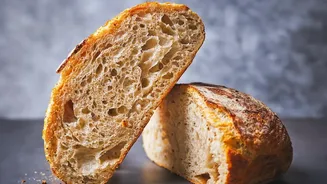
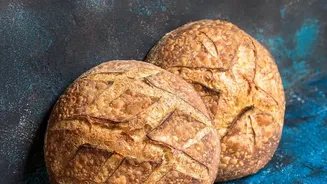
for bakers: deliver on health without sacrificing the taste, texture, and sheer delight of a good baked product. It’s a delicate balancing act. Customers want cakes that are moist, bread that is soft, and cookies that are crisp. Simply swapping out traditional ingredients often leads to disappointing results. This demand for 'conscious indulgence' has pushed culinary artisans to look back in time to find ingredients that are both nutritious and versatile.
Rediscovering India's Ancient Grains
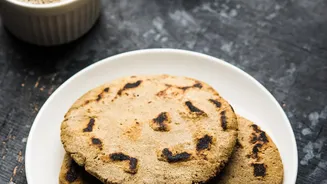
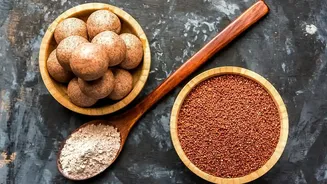
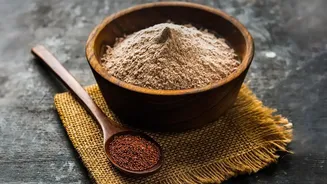
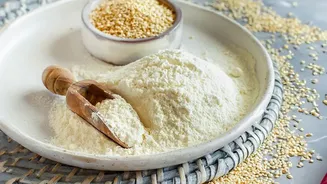
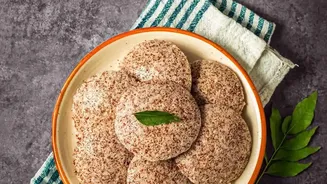
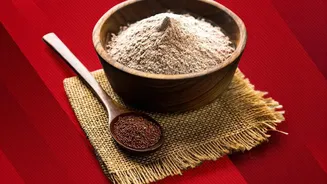
The solution, it turns out, has been in our fields for centuries: millets. Grains like ragi (finger millet), jowar (sorghum), and bajra (pearl millet) are making a major comeback. Once dismissed as humble, traditional foods, these ancient grains are now celebrated as 'super grains' for their impressive nutritional profiles. They are naturally gluten-free, making them suitable for those with sensitivities. More importantly, they are nutritional powerhouses. Ragi is famed for its high calcium content, while jowar and bajra are packed with protein, iron, and dietary fibre. This high fibre content helps in keeping you feeling full for longer and can aid in managing blood sugar levels, thanks to a low glycemic index. By incorporating these flours, bakers are not just cutting out refined ingredients; they are actively adding nutritional value to every bite.
The Science of a Perfect Millet Bake
Baking with millet flour is not a simple one-to-one substitution for wheat flour. This is where the baker's true skill shines. The primary challenge lies in the absence of gluten, the protein that gives wheat-based dough its elasticity and structure. Without it, bakes can turn out dense, dry, and crumbly. Millet flours are also thirsty, absorbing more liquid than their refined counterparts, which can throw off the moisture balance in a recipe. Furthermore, each millet has its own distinct flavour—from ragi's earthy notes to bajra's robust taste—which must be carefully managed to create a palatable product. Overcoming these hurdles requires a deep understanding of food science and a willingness to experiment.
The Art of Balancing Flavour and Texture
So, how do they do it? The secret lies in a combination of clever techniques. Very few successful millet-based products use 100% millet flour. Instead, bakers create custom blends, often mixing millet flour with other flours like oat, almond, or sometimes a small portion of whole wheat to achieve a lighter texture. A common starting point is to substitute about 25% of the total flour with a millet variant. To mimic the binding properties of gluten, bakers incorporate natural agents like yoghurt, mashed bananas, flaxseed powder mixed with water, or psyllium husk. To solve the dryness issue, they increase the liquid content and often add healthy fats like coconut oil or fruit purees. When it comes to flavour, they use complementary ingredients. The earthy taste of ragi, for instance, pairs beautifully with chocolate or cocoa powder. Natural sweeteners like jaggery and date syrup are used instead of refined sugar, which not only makes the bakes healthier but also complements the rustic flavour profile of the millets.