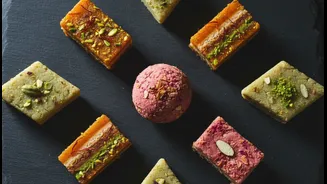






From Sweetness to Sophistication
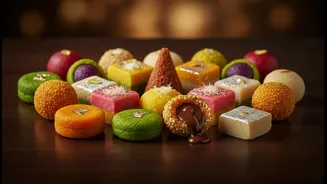
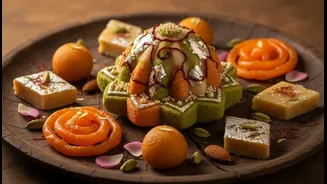
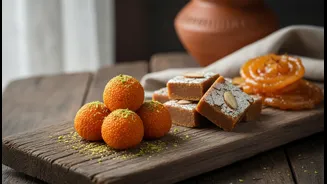
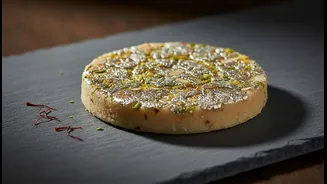
Traditionally, the joy of mithai came from its rich, syrupy, and often one-dimensionally sweet character. Whether a glistening jalebi or a dense barfi, sugar was the undisputed star. But today, a growing movement of culinary innovators is challenging
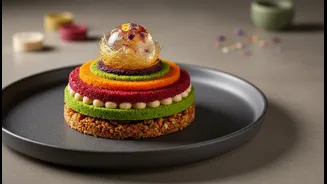
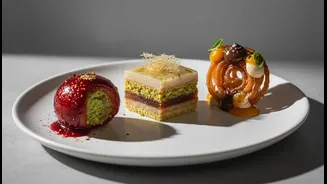
this norm. They are treating mithai less like a simple confection and more like a gourmet dessert, where sweetness is just one element in a complex flavour profile. This new philosophy isn't about eliminating sweetness but balancing it. The goal is to create an experience that unfolds on the palate, revealing different notes, textures, and aromas with every bite. By reducing the reliance on sugar, these makers are allowing other, more subtle ingredients to shine through.
The Art of Layering Flavours
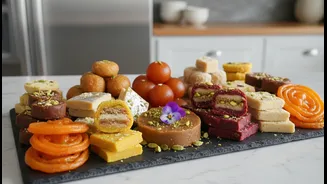
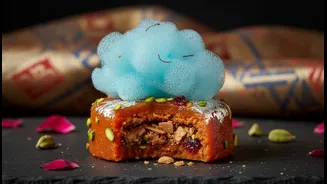
So, how exactly are they building these layers? It starts with high-quality, often unconventional ingredients. Think single-origin chocolate, artisanal jaggery, and premium nuts like hazelnuts and pistachios. But it's the creative combinations that truly set this new generation of mithai apart. Global flavours are being masterfully blended with traditional Indian bases. You might find a coffee-infused rasgulla, a barfi with notes of salted caramel, or even a ladoo inspired by mojitos. Brands like Bombay Sweet Shop have become known for such inventive creations, which might include anything from a Gulab Jamun Churro to a Coffee Rasgulla Tiramisu. Texture also plays a crucial role. Chefs are experimenting with different forms, creating mousses, ganaches, and pralines that add a new dimension to familiar sweets. The result is a multi-sensory experience, where the interplay of creamy, crunchy, smooth, and chewy elements is just as important as the taste.
Meet the Mithai Innovators
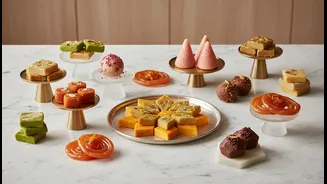
Across India, a host of new-age brands are pioneering this change. Arq Mithai focuses on refined creations like besan truffles and caramel pedhas, using only natural ingredients without artificial additives. Kesar, founded by Daljit and Divya Arora, crafts its sweets by hand, telling a story with each piece, such as their 'Baramasa' collection that reflects the seasons. These brands are turning what was once a hyper-local, festive treat into a year-round, premium indulgence. They are leveraging modern branding and direct-to-consumer models to reach a wider audience that appreciates both nostalgia and novelty. The presentation is as important as the product, with elegant, thoughtful packaging that makes each box feel like a curated gift.
Why the Shift Is Happening Now
Several factors are driving this evolution. A growing health consciousness among Indian consumers is a major catalyst. There's a rising demand for sweets that are low in sugar, vegan, gluten-free, or made with natural sweeteners like jaggery and dates. The market for sugar-free and jaggery-based sweets has seen significant growth in recent years. Furthermore, the Indian palate is becoming more global. Exposure to international dessert cultures, from French patisserie to Japanese wagashi, has created an appetite for more experimental and nuanced flavours. Gen Z, in particular, seeks novelty and visually appealing products that are shareable on social media. This generation is redefining indulgence, rewarding brands that deliver on authenticity, innovation, and sensory impact.