


Why Monsoon Fruit Choices Matter
During the rainy season, our immune systems are often working overtime. The risk of water-borne and airborne diseases increases, and digestion can become sluggish. The high moisture in the air accelerates spoilage and encourages the growth of mould and fungus
on fresh produce. This makes choosing the right fruits—and handling them correctly—more important than ever. The best monsoon fruits are those that are naturally in season, as they are packed with the specific vitamins and antioxidants your body needs to fight off infections, such as Vitamin C. Making informed choices helps you enjoy nature's bounty without the risk of an upset stomach or other seasonal ailments.
Your Immunity-Boosting Monsoon Fruit Basket
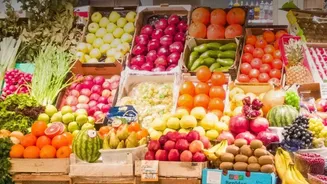
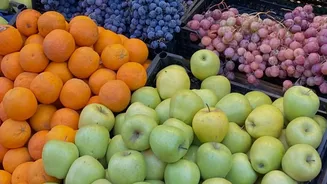
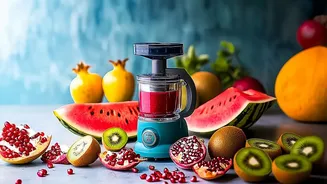
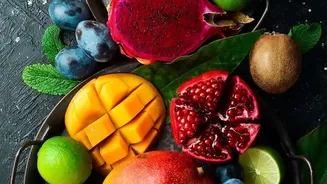
Focus on these seasonal powerhouses to stay healthy. Jamun, the iconic Indian blackberry, is a true monsoon superfood, rich in iron, Vitamin C, and potassium. It helps improve haemoglobin levels and has antibacterial properties. Pomegranates are another excellent choice; their tough outer skin protects the jewel-like seeds inside from contamination, and they are loaded with antioxidants that fight inflammation and boost immunity. Plums (Aloo Bukhara), peaches, and cherries are also at their best during this season. They provide essential vitamins and antioxidants that help strengthen your body's defenses against common colds and flu. Pears (Nashpati) and apples are great for digestive health due to their high fibre content, which is helpful when the monsoon slows things down.
Fruits to Approach With Caution
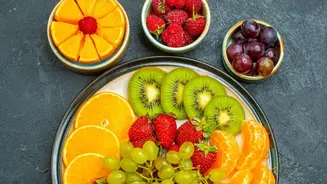
Some fruits become risky during the monsoon. Water-heavy fruits like watermelon can spoil quickly and are prone to bacterial contamination once cut. It's best to buy them whole and consume them immediately after cutting. Pre-cut fruits from street vendors are a major risk, as they are exposed to environmental contaminants and flies. Berries, such as strawberries, have porous skins that can trap moisture and germs, making them susceptible to mould. Grapes can also be problematic as they are hard to clean thoroughly and can harbor pesticide residues and fungal spores. While bananas are generally safe, overripe ones can ferment quickly in the humidity and attract pests.
Smart Buying and Preparation Tips
Your safety strategy begins at the market. Always choose whole, fresh fruits over pre-cut options. Inspect produce for any signs of bruising, cuts, or mould, as damaged skin is an entry point for bacteria. During the monsoon, it's crucial to wash all fruits thoroughly under clean, running water before eating or peeling them. For extra precaution, you can add a little salt or vinegar to the washing water. Once washed, dry the fruits completely before storing them, as moisture encourages spoilage. Store most fruits in the refrigerator, but keep them separate from vegetables to prevent premature ripening and spoilage. Never consume fruits that smell off or look slimy.