
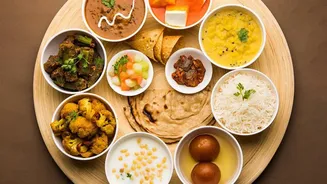
The Familiar Festival Blueprint
For years, the formula for a successful food festival in urban India was clear. Big-name restaurants and popular chains would set up stalls, offering smaller, festival-friendly portions of their best-selling dishes. Events like The Grub Fest became famous
for bringing renowned restaurants together, allowing attendees to sample a wide array of commercial hits in one place. These festivals are carnivals of food and entertainment, often featuring celebrity chef demos and live music. Similarly, city-specific events like the Great Indian Food Festival in Delhi gather hundreds of famous street food vendors, presenting a curated highlight reel of India's most popular snacks. This model turned food festivals into a predictable, yet enjoyable, culinary map of the country’s most visible food trends.
A Craving for Authenticity
Lately, a different kind of food festival has been gaining ground, one that values authenticity over commercial appeal. This new wave is a response to a growing desire among consumers for food that tells a story and connects to a specific place or community. Instead of butter chicken and paneer tikka, these events showcase hyper-regional cuisines—the distinct food traditions of smaller regions, communities, and even individual villages that rarely appear on mainstream menus. It's a movement celebrating dishes like Nagaland’s smoked pork with bamboo shoots or Kerala’s comforting Avial, bringing the nation's diverse home kitchens into the public eye. This shift is driven by diners who are curious, discerning, and eager to explore the true depth of India's culinary heritage beyond the usual classics.
Celebrating Home Cooks and Lost Recipes
A key feature of this trend is the celebration of home cooks and ancestral recipes. Festivals are increasingly providing a platform for home chefs to share dishes that have been passed down through generations. Some events, like Kolkata's Ahare Bangla, now make a point to celebrate farmers and home cooks alongside celebrity chefs, showcasing rare dishes and 'lost recipes'. This focus helps preserve culinary traditions that might otherwise fade away. For instance, festivals centered on 'lost recipes' aim to revive the culinary gems of a specific region or historical period, such as dishes from undivided India or forgotten traditions from a single state. These events are more than just meals; they are an effort to protect a rich legacy from being forgotten in a world where convenience often trumps tradition.
More Than Just Food
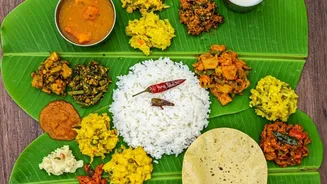
This movement is about more than just what's on the plate; it's a cultural and social phenomenon. Harvest festivals like Pongal in Tamil Nadu and Onam in Kerala have always centered around community and family cooking, serving as a blueprint for this new trend. At Pongal, families host open-air kitchens, while Onam is defined by the communal Sadya feast. Newer festivals are adopting this spirit. The Sattvik Food Festival in Ahmedabad, for example, promotes a philosophy of sustainable and traditional eating, focusing on heirloom grains and slow cooking. By turning the spotlight on indigenous ingredients and community traditions, these festivals foster a deeper connection to India’s agricultural and cultural roots, turning a meal into a meaningful experience.