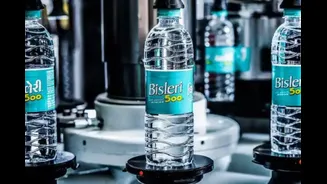





For millions across India's bustling cities, it's a daily ritual: buying a bottle or a 20-litre jar of water. This reliance on packaged water isn't a luxury, but a necessity born from a deep-seated mistrust of the water flowing from public taps.
A Market Built on Mistrust
The packaged
drinking water market in India is a multi-billion dollar industry, a testament to a systemic failure in public infrastructure. Valued at approximately US$3.6 billion in 2025, the market is projected to surge to US$6.5 billion by 2032. This growth isn't just driven by rising incomes or lifestyle changes; it's fundamentally powered by a lack of public confidence in municipal water. Widespread concerns about contamination from ageing pipelines, intermittent supply creating vacuums that suck in pollutants, and inconsistent treatment have made citizens wary. Surveys reveal a startling trust deficit, with one showing that only 6% of urban households believe tap water is safe to drink without treatment. This has forced a majority of households to either invest in expensive RO purifiers or turn to the seemingly safer, sealed alternative of bottled water.
The Real Cost of 'Safe' Water
While a 20-rupee bottle may seem like a small expense, the cumulative cost for a family is significant, turning a basic human right into a recurring household expenditure. The financial burden falls disproportionately on lower and middle-income families who cannot afford sophisticated filtration systems. The paradox is stark: citizens pay taxes for public water services, only to pay a second time for water they feel safe drinking. The health cost of not doing so is even higher. Waterborne diseases affect an estimated 37.7 million Indians annually, with contaminated water linked to severe illnesses like cholera, typhoid, dysentery, and hepatitis A. Children and the elderly are particularly vulnerable to the devastating effects of consuming unsafe water.
The Environmental Toll of Convenience
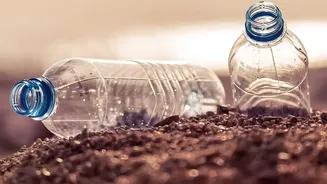
The convenience of packaged water comes at a steep environmental price. India generates millions of tonnes of plastic waste annually, and the ubiquitous PET bottles used for water are a major contributor. These bottles, which can take up to 500 years to decompose, clog landfills and pollute rivers and oceans. While recycling rates for PET bottles are relatively high in India, largely due to the efforts of an informal network of waste pickers, a significant portion still escapes collection systems, adding to the environmental burden. Furthermore, the irony is that even bottled water is not always a guarantee of purity. Studies have found the presence of microplastics in a majority of bottled water samples globally, including from major brands sold in India, indicating that contamination can come from the packaging itself.
Can the Tap Make a Comeback?
The government is attempting to restore faith in public water systems. Initiatives like the Jal Jeevan Mission (JJM) for rural areas and its urban counterpart under AMRUT 2.0 aim for universal tap water connectivity. The goal is not just to lay pipes but to provide 'Har Ghar Jal' (water in every home) that meets the rigorous drinking water specifications set by the Bureau of Indian Standards (BIS), known as IS 10500. This standard, aligned with WHO guidelines, sets limits for bacteriological and chemical contaminants like E. coli, lead, and arsenic. However, the challenges are immense. They include upgrading ageing urban infrastructure, ensuring source sustainability amid groundwater depletion, and maintaining water quality throughout the distribution network. Success stories, like Odisha's 'Drink from Tap' mission which uses a continuous, pressurised supply to prevent contamination, offer a potential roadmap for other cities to follow.