



What Exactly Is an Immunity Plate?
Think of it as the thali’s health-conscious cousin. An ‘immunity plate’ isn’t a single dish but a curated collection of small portions of food, each chosen for its potential to support your body's defences. It’s a move away from relying on one ‘superfood’
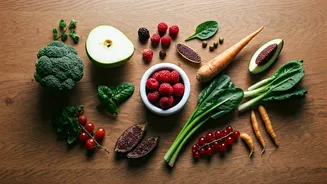
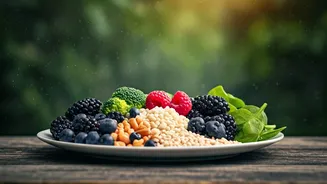
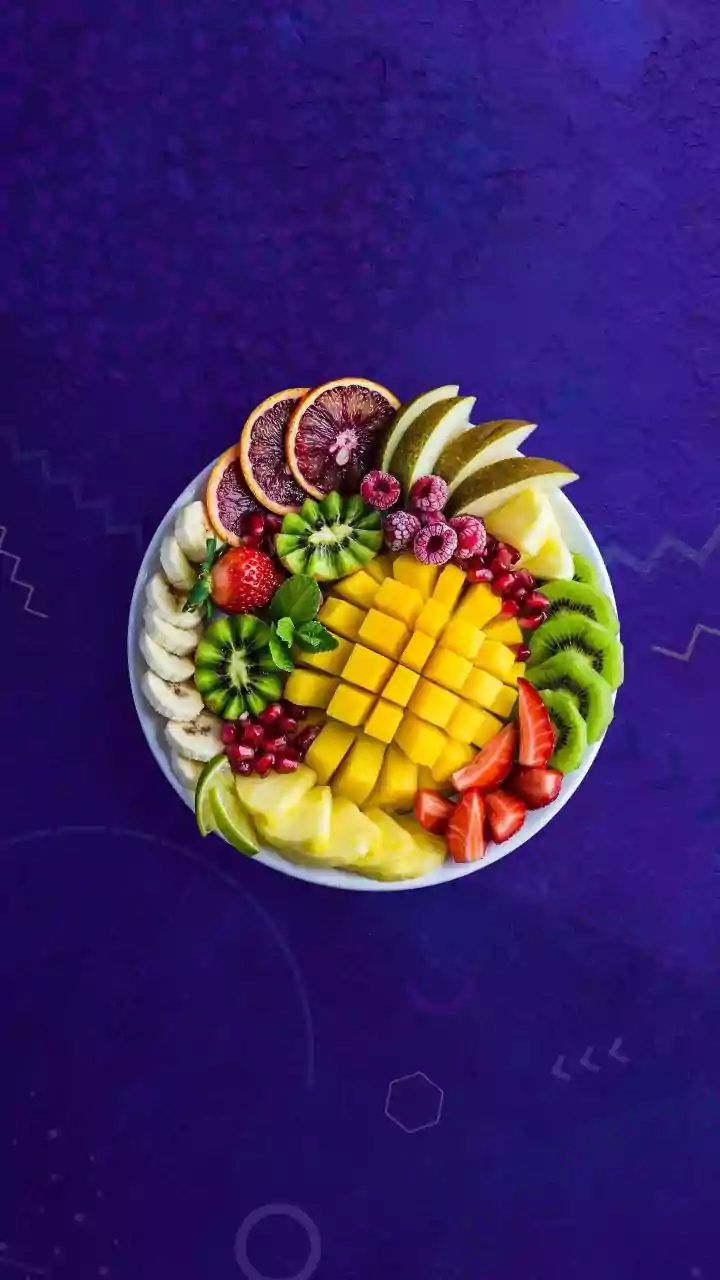
and towards a more holistic, balanced approach to eating. Instead of a heavy, one-note meal, these platters are a vibrant mosaic of colours, textures, and flavours. You might find a portion of spiced lentils next to a heap of sautéed greens, a dollop of yoghurt, some pickled vegetables, and a few slices of fresh fruit. The goal is to pack a wide range of vitamins, minerals, and beneficial compounds onto a single plate, making wellness feel less like a chore and more like a feast.
The Monsoon Connection
The timing of this trend is no coincidence. The monsoon season, while romantic and refreshing, is notoriously linked with a spike in common ailments like colds, flu, and digestive issues. The damp weather can create a breeding ground for germs, and our bodies often feel more sluggish. For generations, Indian households have turned to traditional remedies—turmeric milk, ginger-tulsi concoctions, and light, warm meals—to navigate this period. The immunity plate is a modern, Instagram-friendly evolution of this age-old wisdom. It taps directly into our collective seasonal anxiety about getting sick, but reframes the solution as something empowering, delicious, and visually appealing. It’s a proactive step towards feeling good, rather than a reactive fix once you’re already under the weather.
Anatomy of the Perfect Plate
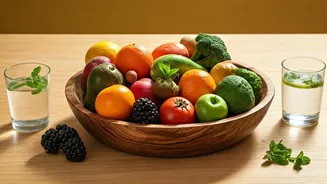
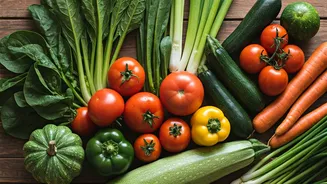
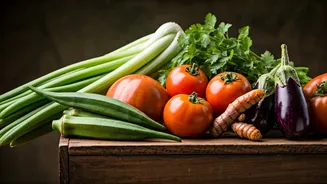
The beauty of the immunity plate is its flexibility, but some core components consistently make an appearance. A good platter is built on variety. You’ll often find fermented foods like dahi (yoghurt) or homemade pickles, which are prized for their probiotic content to support gut health. Colourful, seasonal vegetables are a must—think beetroot for antioxidants, bell peppers for Vitamin C, and dark leafy greens like spinach for iron and vitamins. Spices play a starring role; a sprinkle of turmeric provides curcumin, known for its anti-inflammatory properties, while ginger and garlic add both flavour and a traditional wellness punch. A source of protein, such as lentils, chickpeas, or paneer, provides sustained energy, and a small portion of whole grains like brown rice or quinoa offers essential fibre.
More Than Food, It’s a Mood
The headline gets it right—this is a ‘food mood.’ The appeal of the immunity plate goes beyond its nutritional profile. In a season that can sometimes feel gloomy, assembling or eating a bright, vibrant plate of food is an instant mood-lifter. There’s a psychological comfort in knowing you are actively nourishing your body. It feels both indulgent and virtuous. Unlike a plate of greasy bhajiyas that might lead to a feeling of lethargy, this meal is designed to make you feel energised and light. It’s a form of self-care that aligns with a growing, global shift towards mindful eating and conscious consumption. It’s about enjoying the process and savouring food that loves you back.
Crafting Your Own Monsoon Shield
You don’t need a fancy restaurant to embrace this trend. Building your own immunity plate at home is simple. Start with what you have. Raid your fridge and pantry for colourful ingredients. A good formula to follow is: one fermented item (yoghurt, kefir, pickle), two or three different cooked or raw vegetables (sautéed bhindi, carrot sticks, cucumber slices), one protein (a small bowl of dal, boiled eggs, or roasted chana), and a healthy fat (a few nuts or seeds). Don’t forget the spices! A pinch of black pepper can enhance the absorption of turmeric, and a squeeze of lemon over your greens adds a kick of Vitamin C. The key is diversity, not quantity. Small portions of many different things are far more effective than a large portion of one.