







Bring Your Workout Indoors
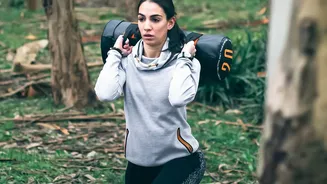
When the downpour is relentless, the safest bet is to move your workout inside. This eliminates the risk of slipping on wet surfaces and keeps you protected from sudden weather changes. Home workouts can be just as effective as outdoor sessions. Bodyweight
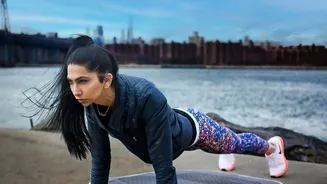
exercises like squats, planks, lunges, and push-ups require no equipment and are excellent for building strength. You can also explore yoga for flexibility and stress relief, or follow along with countless free online fitness classes for high-intensity interval training (HIIT), dance cardio, or Pilates. Setting a fixed time for your indoor workout can help you stay consistent and motivated, rain or shine.
Safety Rules for Outdoor Exercise
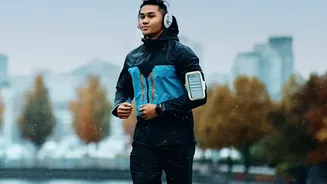
If you prefer exercising outdoors, it's possible to do so safely during light rain, but crucial precautions are necessary. Always avoid working out during heavy rain, thunderstorms, or in areas with poor visibility or waterlogging. Slippery roads and trails significantly increase the risk of falls, so adjust your pace and be mindful of your footing. Inform someone of your route and estimated return time. It's also wise to schedule your runs or walks for the early morning or evening to avoid the peak heat and humidity that often accompanies monsoon weather. Visibility is poor for drivers in the rain, so wear brightly coloured or reflective clothing to ensure you can be seen easily.
Gear Up for the Conditions
The right gear is essential for a comfortable and safe monsoon workout. Opt for lightweight, synthetic, moisture-wicking fabrics that pull sweat away from your skin, rather than cotton which absorbs moisture and can cause chafing. A water-resistant, breathable jacket will shield you from rain without trapping sweat. A hat with a brim is invaluable for keeping rain out of your eyes and improving visibility. Most importantly, invest in footwear with excellent grip to prevent slips on slick surfaces. Consider using an older pair of running shoes you don't mind getting wet, but ensure their treads are still effective.
Adjust for High Humidity
The monsoon isn't just about rain; it's also about high humidity, which can place significant stress on your body. When the air is saturated with moisture, your sweat doesn't evaporate effectively, making it harder for your body to cool down. This can lead to a higher core body temperature, increased cardiovascular strain, and a greater risk of dehydration and heat-related illnesses like heat exhaustion. Listen to your body and be prepared to scale back the intensity or duration of your workout. Even if you don't feel as thirsty in the cooler, rainy weather, it's critical to stay hydrated by drinking water before, during, and after your exercise session.
Prioritise Post-Workout Hygiene
Hygiene is paramount during the monsoon to prevent fungal and bacterial infections, which thrive in damp, humid conditions. After exercising, especially if you get wet, change out of your damp clothes and take a shower as soon as possible. Pay special attention to drying skin folds, like between your toes and in your underarms, where moisture can get trapped. Never stay in wet socks or clothes. To prevent athlete's foot and other fungal issues, alternate your shoes to allow each pair to dry out completely, and consider using an antifungal powder on your feet. Washing your workout gear after each use is also crucial.