







Discovering Nilgiri: The Blue Mountains' Treasure
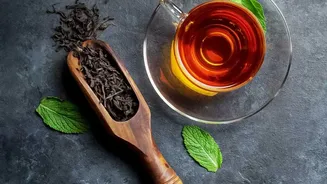
Nilgiri tea, one of India's great undiscovered gems, comes from the Nilgiri Hills, or 'Blue Mountains', in Southern India. Grown at high altitudes, this tea is celebrated for its wonderfully aromatic and fragrant profile. Unlike its more robust Indian
cousins, Assam and Darjeeling, Nilgiri tea is known for being incredibly smooth, medium-bodied, and having very little bitterness. Its flavour is often described as brisk and clean, with subtle fruity or floral notes. A key characteristic that makes it special is that it is harvested year-round, ensuring a consistent freshness. This balanced and gentle nature makes Nilgiri tea a perfect starting point for both seasoned tea lovers and newcomers.
The Gentle Art of the Cold Brew
Cold brewing is a fundamentally different process than making traditional iced tea. Instead of steeping tea leaves in hot water and then cooling it down, cold brewing involves infusing the leaves in cold or room-temperature water for an extended period, typically 8 to 12 hours in the refrigerator. This slow, patient extraction method is a game-changer for flavour. Hot water pulls out tannins quickly, which can lead to the bitter and astringent taste sometimes found in iced tea. Cold water is much gentler, extracting fewer of these compounds and instead highlighting the tea's natural sweetness and more delicate flavour notes. The result is a remarkably smooth, mellow, and clean-tasting beverage that is less acidic and easier on the stomach.
A Healthier, Low-Sugar Sip
For the modern, health-conscious individual, cold brew tea is an excellent choice. Because the cold brew method results in a naturally sweeter and smoother flavour, there's often no need to add sugar or sweeteners, making it a genuinely low-sugar and low-calorie drink. This stands in stark contrast to many commercially available iced teas and sodas, which can be loaded with sugar. Furthermore, the cold brewing process extracts less caffeine than hot brewing, offering a gentle energy boost without the potential for jitters. While both hot and cold brewing methods extract beneficial antioxidants like flavonoids and catechins, some studies suggest that cold brewing can preserve more of these delicate compounds, which are known to support overall wellness. It’s also an excellent way to stay hydrated.
Why Modern Drinkers Are Choosing Cold Brew
The rising popularity of cold brew Nilgiri tea aligns perfectly with a broader shift towards mindful consumption and wellness. Consumers are increasingly seeking out natural, clean-label products with no artificial ingredients. Cold brew tea fits this trend perfectly. It is simple, pure, and can be easily customized at home. Nilgiri tea’s low bitterness and clarity when chilled make it an exceptional base for blends. Many are experimenting by infusing their cold brew with fresh fruits, herbs, or spices, creating sophisticated and personalised beverages without any added sugar. This DIY, craft approach to drinks appeals to the modern desire for authenticity and control over what we consume.
How to Brew Your Own Nilgiri Cold Brew
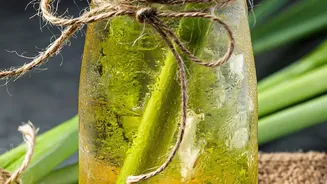
Making your own cold brew Nilgiri tea is incredibly simple. All you need are high-quality Nilgiri tea leaves or tea bags and cold, filtered water. Use a ratio of about 1 to 1.5 teaspoons of loose-leaf tea for every 250ml of water. Place the tea leaves in a pitcher or a large jar, pour the cold water over them, and cover the container. Let it steep in the refrigerator for 8 to 12 hours—overnight works perfectly. In the morning, simply strain out the leaves or remove the tea bags. Your delicious, smooth cold brew is ready to drink. It will stay fresh in the refrigerator for several days. For a touch of flair, serve it over ice with a slice of lemon or a sprig of mint.