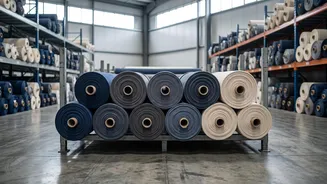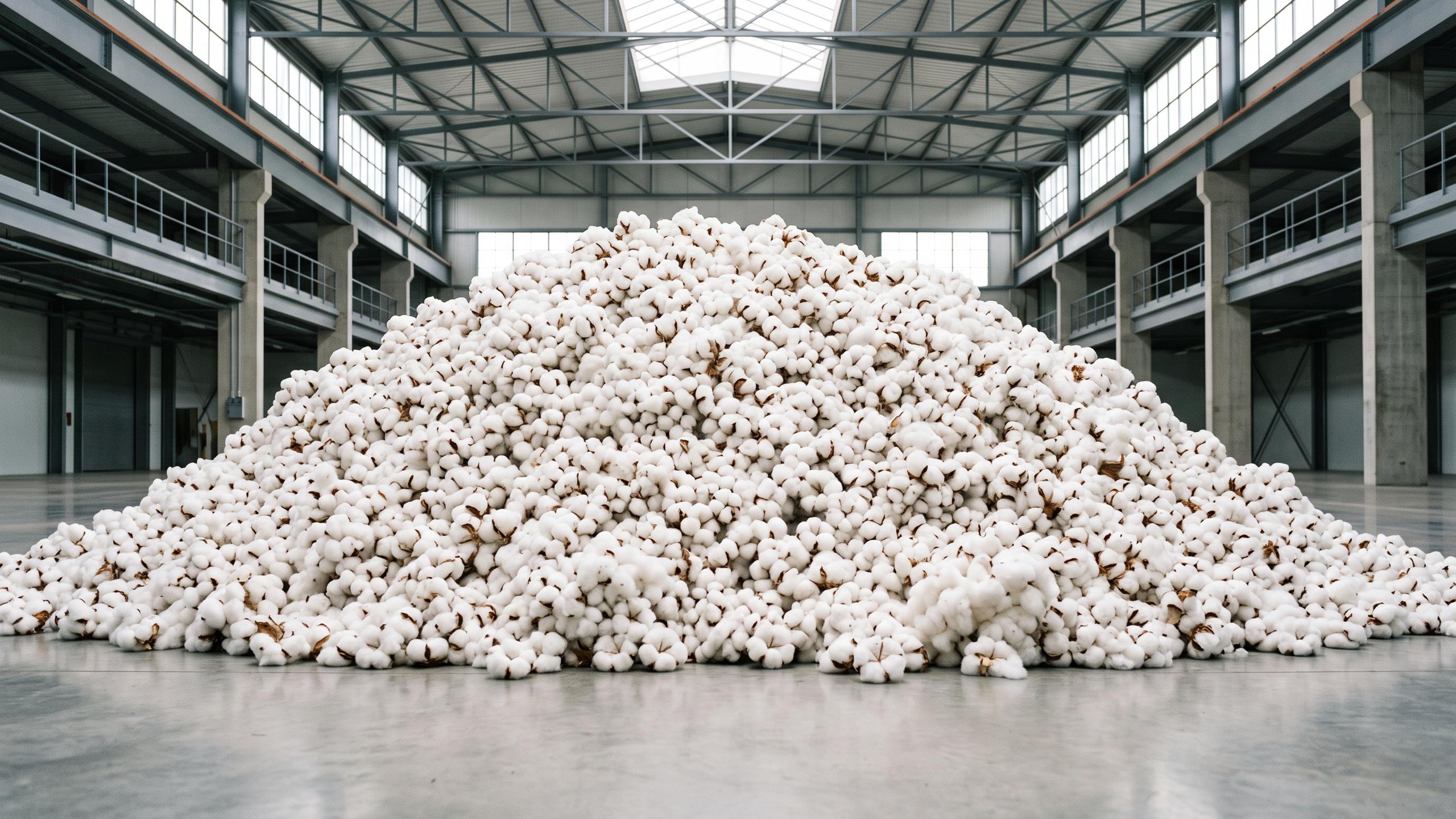







The price tag on your next t-shirt could be decided by a complex tug-of-war over cotton. India's textile industry is calling for changes to import rules to manage soaring costs, but the solution isn't as simple as it seems.
The Core of the Problem: A Looming Shortfall
India's massive textile sector,
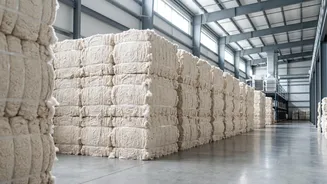
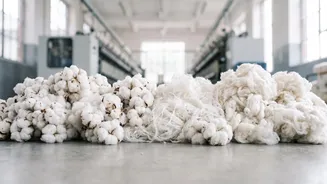
which contributes significantly to GDP and employment, is facing a critical raw material challenge. For the 2026-27 season, domestic cotton production is projected to be around 29 million bales, falling well short of the anticipated demand of over 34 million bales. This supply-demand gap is a primary driver of price volatility. Recent reports from October 2026 show cotton prices surging, causing concern for thousands of textile mills, particularly in hubs like Tamil Nadu. Prices have climbed above the government's Minimum Support Price (MSP), an unusual trend for the harvest season when prices typically soften. This sustained high cost of cotton, which accounts for up to 70% of yarn manufacturing expenses, creates a domino effect, increasing the cost of yarn, fabric, and ultimately, the clothes we buy.
The Proposed Fix: The Import Duty Debate
To counter rising domestic prices, industry bodies like the Confederation of Indian Textile Industry (CITI) and the Southern India Mills’ Association (SIMA) have been advocating for the removal or extension of the exemption on the 11% cotton import duty. The government had previously waived this duty from June 1 to October 31, 2026, to improve supplies. With that deadline approaching and prices remaining high, there is strong pressure to extend the duty-free window, possibly until the end of December 2026. The logic is straightforward: allowing mills to import cheaper cotton from international markets like the US, Brazil, and Australia would ease the pressure on domestic supply, lower input costs, and help Indian textile exporters remain competitive against rivals in Bangladesh and Vietnam, who often have duty-free access to raw materials.
The Farmer's Perspective: A Question of Livelihood
While textile mills push for easier imports, India's six million cotton farmers have a different view. A flood of cheaper, often heavily subsidised foreign cotton could depress domestic prices, directly impacting their income. If market prices fall significantly due to duty-free imports, farmers may receive rates below the cost of production, even falling below the prices they get in the open market which are already sometimes lower than the official MSP. This situation puts the government's price support mechanism, operated by the Cotton Corporation of India (CCI), under strain. If the CCI is forced to sell at lower rates, its ability to buy from farmers at the MSP is compromised, threatening the financial stability of countless small and marginal growers.
The Garment Industry's Balancing Act
For garment manufacturers and exporters, the equation is about survival in a fiercely competitive global market. High raw material costs make it difficult to price their products competitively, leading to a loss of orders to other countries. Industry leaders argue that ensuring access to internationally priced cotton is not about displacing domestic cotton but about bridging the supply gap and securing specific qualities required for export orders. They contend that a stable, predictable raw material supply chain is essential to leverage opportunities from new Free Trade Agreements and achieve the national target of US$100 billion in textile exports by 2030. However, even with a duty waiver, the benefits might not be as large as hoped due to high global cotton prices, freight costs, and a weaker rupee, which all increase the landed cost of imported cotton.