







The Myth of the Extreme 'Detox'
The internet is flooded with promises of quick-fix detoxes, juice cleanses, and restrictive plans that claim to purge your body of toxins after a period of feasting. However, most medical experts agree these are not only unnecessary but can be counterproductive.
Our bodies are already equipped with a highly efficient, natural detoxification system: the liver and kidneys. These organs work around the clock to filter waste and harmful substances from your body. Extreme diets can deprive your body of essential nutrients, leading to fatigue, muscle loss, and an unhealthy cycle of restriction and binging. The goal isn't to punish your body for enjoying the festivities, but to gently guide it back to balance.
Hydration: Your First and Easiest Step
After consuming rich, salty, and sweet festive foods, your body often craves hydration. Increasing your water intake is the simplest and most effective first step in your reset. Water aids digestion, helps your kidneys flush out excess sodium, reduces bloating, and helps prevent constipation. Aim to sip water consistently throughout the day. If plain water feels boring, infuse it with slices of lemon, cucumber, or mint for a refreshing twist. Herbal teas like peppermint, ginger, or chamomile are also excellent choices that can soothe the digestive system and keep you hydrated without any added sugars.
Embrace Fibre-Rich Whole Foods
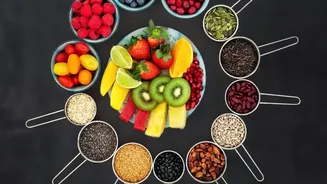
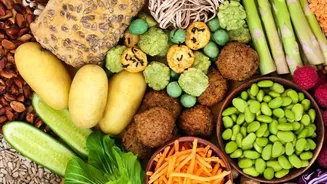
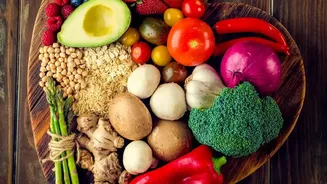
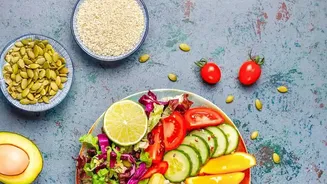
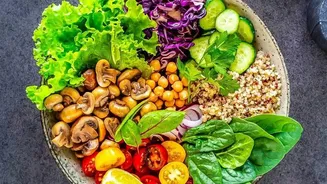
Instead of eliminating food groups, focus on reintroducing nutrient-dense, high-fibre options. Fibre is crucial for a healthy digestive system, promoting regular bowel movements and helping you feel full and satisfied. Swap out refined carbohydrates like white bread and pastries for whole grains such as oats, brown rice, and whole wheat rotis. Fill your plate with a colourful variety of vegetables and fruits. These are packed not only with fibre but also with essential vitamins, minerals, and antioxidants that support your body's natural processes. A simple dal, a vegetable-rich sabzi, or a hearty salad are perfect reset meals.
Focus on Lean Protein and Light Meals
Festive meals are often heavy and rich. To help your system recover, shift your focus to lighter, leaner sources of protein. These will help keep you full and stabilize blood sugar levels without overburdening your digestion. Good options include lentils, chickpeas, paneer, eggs, fish, and lean chicken. Rather than frying, try grilling, steaming, or baking. A simple vegetable and paneer stir-fry or a comforting bowl of chicken soup can feel both nourishing and restorative. The idea is not to diet, but to return to balanced meals that provide sustained energy.
Listen to Your Body and Practice Mindful Eating
One of the most important parts of a post-festival reset is tuning back into your body’s natural hunger and fullness cues. After days of celebratory eating, it can be easy to eat out of habit rather than actual hunger. Take a pause before meals to ask yourself if you are truly hungry. Eat slowly, without distractions like your phone or the TV, and savour each bite. This practice of mindful eating helps your brain register when you are full, preventing overeating and helping you re-establish a healthy relationship with food. There is no need for guilt; simply move forward with gentle awareness.
Incorporate Gentle Movement
You don't need to engage in punishing workouts to compensate for holiday indulgence. In fact, gentle movement can be far more beneficial. A brisk walk after a meal can aid digestion and help stabilize blood sugar levels. Light activities like stretching or yoga can also help reduce bloating and relieve discomfort. Exercise increases circulation and stimulates the lymphatic system, both of which are part of your body's natural waste-removal process. The goal is to feel good in your body, not to push it to its limits. A 20-30 minute walk each day is a perfect way to support your reset.