






The Wisdom We Forgot
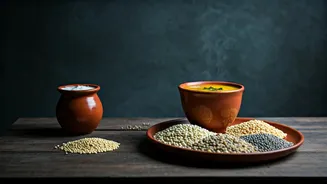
For generations, Indian kitchens ran on an unspoken clock, dictated not by the wall but by the weather. What we ate was simply what the earth offered. This philosophy, known in Ayurveda as 'Rituacharya' (seasonal regimen), wasn't a 'diet' but a way of life.
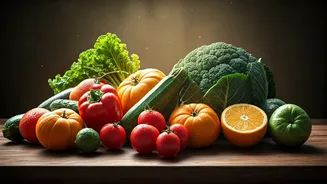
It’s a simple, profound idea: align your body with the rhythms of nature by eating foods that are naturally harvested in the current season. This meant juicy watermelons to combat the summer heat, hot pakoras with chai during the monsoon downpour, and nutrient-dense root vegetables to build immunity in the winter. It’s an intuitive system that our grandparents practised without a second thought, a wisdom passed down through recipes and kitchen habits.
Why is it Returning Now?
The comeback of seasonal eating is a reaction to our modern food landscape. Global supply chains give us access to everything, all the time, but this convenience comes at a cost. Foods picked prematurely and shipped across continents often lack the flavour and nutritional punch of their locally-grown, seasonal counterparts. Furthermore, a growing awareness around health and sustainability is pushing consumers to ask more questions. Influential nutritionists and wellness experts have become powerful advocates, reminding us that the most effective superfoods are often the ones growing in our own backyards. This return to roots is also a cultural reclamation, a desire to connect with an identity that feels more authentic than the globalised food culture that has dominated for years.
The Science Behind the Tradition
What was once traditional wisdom is now being validated by modern science. Seasonal produce, picked at its peak, is more nutrient-dense. A mango ripened on the tree in May contains more vitamins and antioxidants than one forced to ripen in a container in December. Eating seasonally also promotes a healthier gut microbiome. A varied, seasonal diet introduces a wider array of beneficial bacteria, which is crucial for digestion, immunity, and even mental health. Moreover, our bodies' needs change with the seasons. Nature provides hydrating foods like cucumbers and melons in the summer when we lose more water, and warming, energy-rich foods like bajra and sweet potatoes in the winter when our metabolism needs a boost. Eating seasonally is, in essence, giving your body the right fuel at the right time.
A Taste of the Indian Calendar
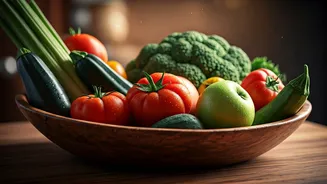
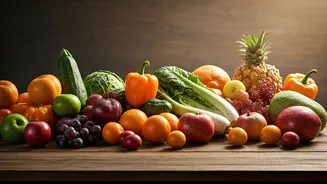
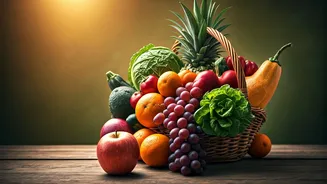
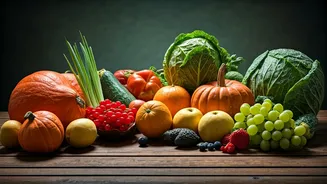
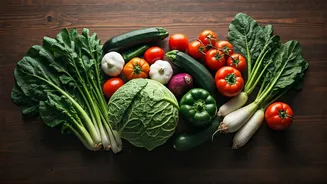
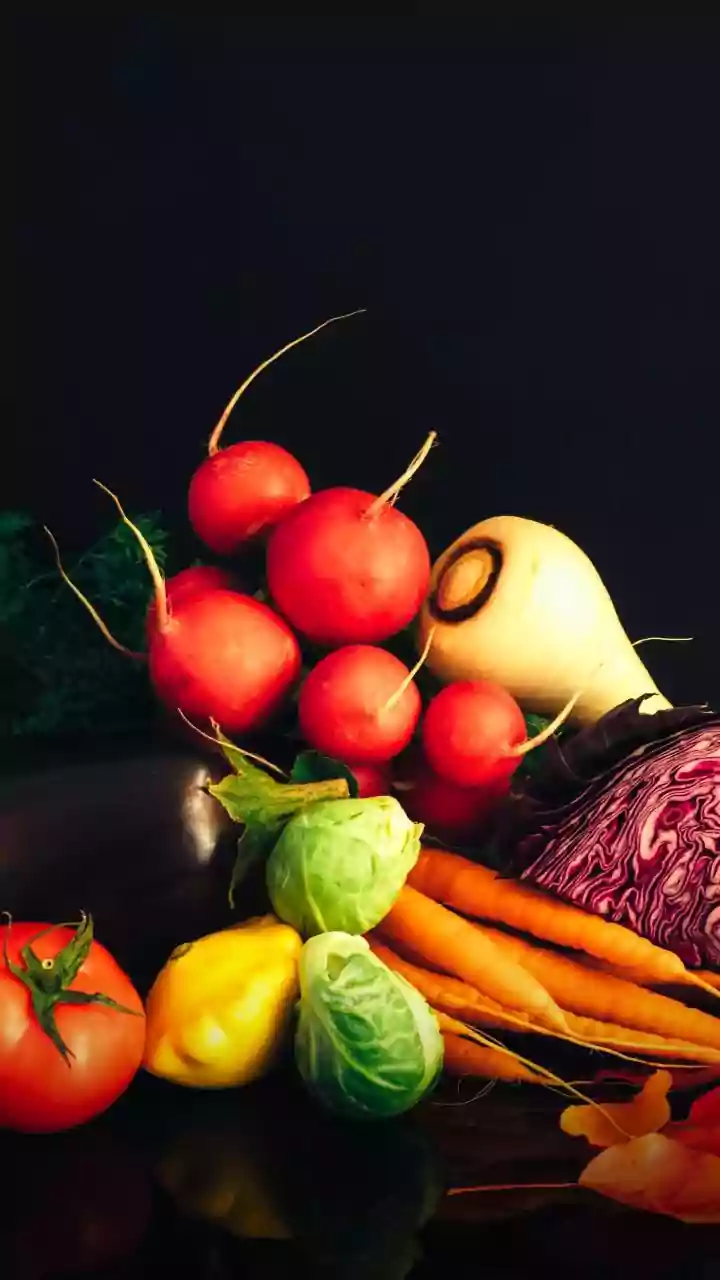
So, what does eating seasonally look like in India? It’s a vibrant and delicious journey. Summer (Grishma) brings an abundance of mangoes, lychees, jackfruit, and cooling vegetables like lauki (bottle gourd) and tori (ridge gourd). The Monsoon (Varsha) is the time for tart jamuns, peaches, and plums, alongside corn on the cob and a variety of gourds that thrive in the damp weather. It’s also a time to favour light, easily digestible meals. Autumn (Sharad) offers apples and pomegranates. Winter (Hemant and Shishir) is when the markets are flooded with leafy greens like spinach and mustard greens (sarson da saag!), vibrant carrots, peas, and radishes, along with warming millets and citrus fruits like oranges and amla, which are packed with Vitamin C to fight off colds.
How to Reconnect with the Seasons
Adopting a seasonal diet doesn't require a radical overhaul. It’s about making small, mindful shifts. Start by visiting your local sabzi mandi or farmers' market. Observe what is abundant, fresh, and affordable—that’s your first clue. Talk to the vendors; they are often a wealth of information about what’s in season. Revisit old family recipes. Ask your parents or grandparents what they ate during different times of the year. You’ll not only get dietary advice but also a beautiful connection to your heritage. Finally, be curious. Try a vegetable you haven’t eaten before. The goal isn’t perfection but progress, rediscovering the joy and flavour that comes from eating food that is truly of its time and place.