


What is a Community Tool Library?
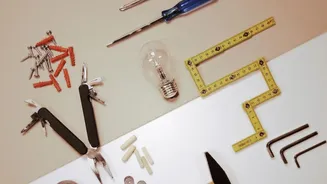
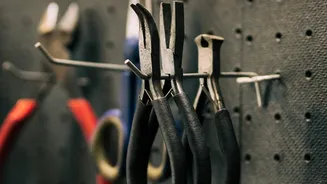
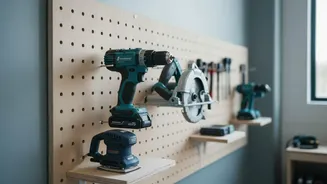
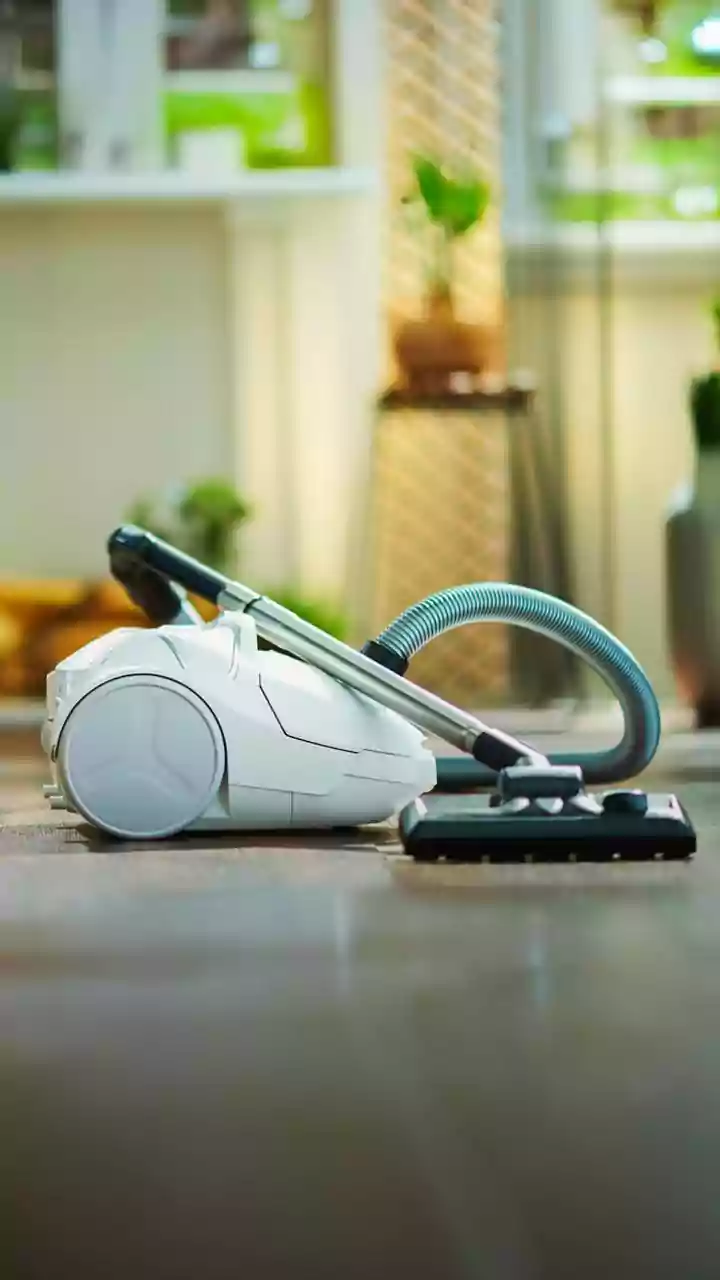
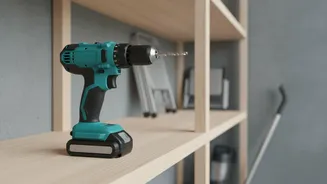
Think of it like your local book library, but instead of novels, it’s stocked with power drills, ladders, vacuum cleaners, and gardening equipment. A community tool library is a shared collection of tools and appliances that residents of a housing society
can borrow as needed. The concept is built on a simple, powerful idea: access over ownership. Instead of a hundred households each owning a rarely used drill, the community owns a few high-quality ones that everyone can share. It’s a practical system that has been successfully implemented in communities worldwide, transforming how people approach DIY projects and household chores.
Cutting E-Waste, One Shared Tool at a Time
India is the world's third-largest producer of electronic waste, generating millions of tonnes every year. A significant portion of this comes from household appliances and electronics that are discarded. Many tools are designed to last for years, but their actual use-time is incredibly short; some studies suggest a typical power drill is used for less than 20 minutes in its entire lifetime. Tool libraries directly combat this problem. By allowing dozens of families to share one appliance, we drastically reduce the number of items that need to be manufactured. This not only cuts down on future e-waste but also lessens the environmental impact associated with production and shipping. It’s a powerful move towards a circular economy, where we extend the life of products through sharing and reuse.
The Benefits Beyond Going Green
While environmental protection is a huge advantage, the perks of a tool library extend into your wallet and your community connections. The most immediate benefit is financial savings. You get access to expensive equipment without the high cost of buying it. It also solves the problem of storage in increasingly compact urban apartments. Beyond the practical, sharing resources builds a stronger community. Borrowing a ladder from the society’s library might spark a conversation with a neighbour, and shared projects can foster a sense of trust and cooperation that strengthens social bonds.
How to Start a Tool Library in Your Society
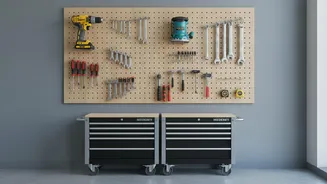
Launching a tool library is more straightforward than it sounds. It is an ideal project for a residential complex, which already has shared spaces and a concentrated community. First, gauge interest among your neighbours with a simple survey in a community WhatsApp group or a notice board post. Form a small volunteer committee to manage the project. Next, identify a secure, accessible space—an unused storeroom, a corner of the basement, or part of a bike shed are all great options. For inventory, start by asking for donations of tools residents no longer need. The society can also allocate a small budget to purchase a few essential, high-demand items. Finally, create a simple sign-out system. This can be a physical logbook kept in the library, a dedicated WhatsApp group, or a simple spreadsheet to track who has borrowed what and when.
Essential Tools to Start Your Collection
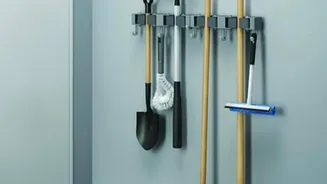
You don’t need a massive inventory to begin. Focus on items that are expensive or used infrequently. A good starter list includes: a sturdy ladder, a reliable power drill with a set of bits, a high-pressure washer for cleaning balconies and vehicles, a wet/dry vacuum cleaner, basic gardening tools like shears and a trowel, and a set of essential hand tools like hammers, screwdrivers, and spanners. Over time, you can poll residents to see what other tools would be useful additions to the collection.
Overcoming Common Hurdles
The main challenges for any tool library are maintenance, funding, and ensuring tools are returned on time and in good condition. For maintenance, you can recruit handy volunteers or host periodic 'fix-it' days where residents can learn basic repairs. Some libraries charge a very small annual membership fee to cover repair costs and purchase new tools. To ensure accountability, create a clear borrower's agreement that outlines rules for use, cleaning, and what to do if a tool is damaged. A simple deposit system for higher-value items can also be effective. The key is to establish clear, community-agreed guidelines from the start.