

The Urban Problem: Vanishing Stars
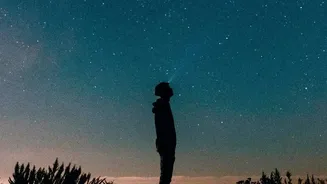
The constant glow of artificial light in and around urban centres, known as light pollution, has created a permanent twilight that obscures our view of the universe. This has not only disconnected us from a fundamental human experience but also disrupted
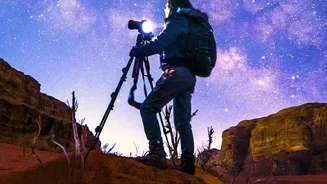
nocturnal ecosystems. For modern travellers seeking more than just a destination, but a genuine connection, escaping this artificial haze has become a powerful new calling. Astrotourism, or travelling for the purpose of stargazing, offers a profound antidote to our over-stimulated lives, inviting a sense of wonder and perspective that is hard to find elsewhere. It’s a journey into silence, darkness, and the sheer scale of the universe.
Hanle, Ladakh: India’s First Dark Sky Reserve
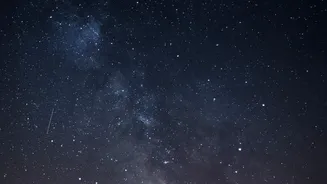
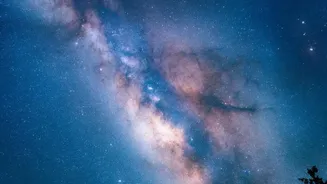
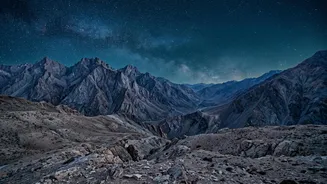
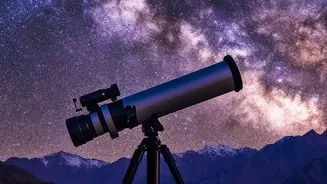
Officially designated as India's first Dark Sky Reserve, Hanle in Ladakh is the crown jewel of Indian stargazing. Located in the remote Changthang plateau at an altitude of over 4,500 metres, the conditions here are near-perfect. The high altitude, bone-dry air, and minimal population mean the sky achieves a Bortle Class 1 rating—the darkest possible classification. On a clear, moonless night, the Milky Way is not just visible; it’s a brilliant, textured river of light stretching across the horizon. Home to the Indian Astronomical Observatory, the area is protected, with local communities trained as astro-guides to help visitors navigate the cosmos with telescopes. A trip here is a true pilgrimage for any serious sky-watcher.
Spiti Valley, Himachal Pradesh: A High-Altitude Desert Canvas
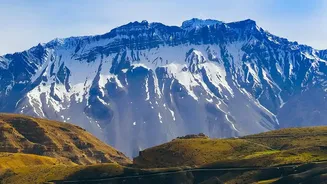
Often called a 'cold desert', Spiti Valley's high-altitude landscape and sparse population make it another premier destination for celestial views. Situated in a rain shadow, the valley enjoys over 250 clear nights a year, especially between May and October. Villages like Kibber, Langza, and Kaza become natural observatories after sunset, offering skies so dark that countless stars and even the Andromeda Galaxy can be spotted with the naked eye. The experience is deeply meditative; imagine watching a meteor shower in complete silence, surrounded by ancient monasteries and the stark beauty of the Himalayas. It’s a place where the earthly and the cosmic landscapes feel equally epic.
Rann of Kutch, Gujarat: A Universe Over Salt Flats
The Great Rann of Kutch offers a stargazing experience unlike any other. The vast, flat expanse of the white salt desert provides an unobstructed 360-degree view of the night sky. Far from major cities, its remote location ensures exceptionally dark skies, especially during the Rann Utsav festival season from November to February. On a new moon night, the darkness is absolute, making the constellations and Milky Way appear incredibly bright and sharp. Lying on the cool salt flats and gazing upwards is a surreal and humbling experience. The combination of the ethereal white landscape below and the glittering cosmos above creates a profoundly magical and memorable spectacle for any traveller.
Coorg, Karnataka: Stargazing in the Western Ghats
You don't always have to go to the Himalayas or a desert for dark skies. Nestled in the Western Ghats, Coorg (Kodagu) offers pockets of darkness perfect for southern India's stargazers. The region’s high elevation and distance from urban centres result in clear nights with minimal light pollution, especially from October to May. Areas around Madikeri, Tadiandamol Peak, and various remote homestays provide excellent vantage points. There are even organised experiences, like the Starscapes Observatory, that offer guided sessions with powerful telescopes. It's an accessible way to swap misty coffee plantations by day for a canopy of stars by night.
Pench Tiger Reserve, Maharashtra: Stars and Wildlife
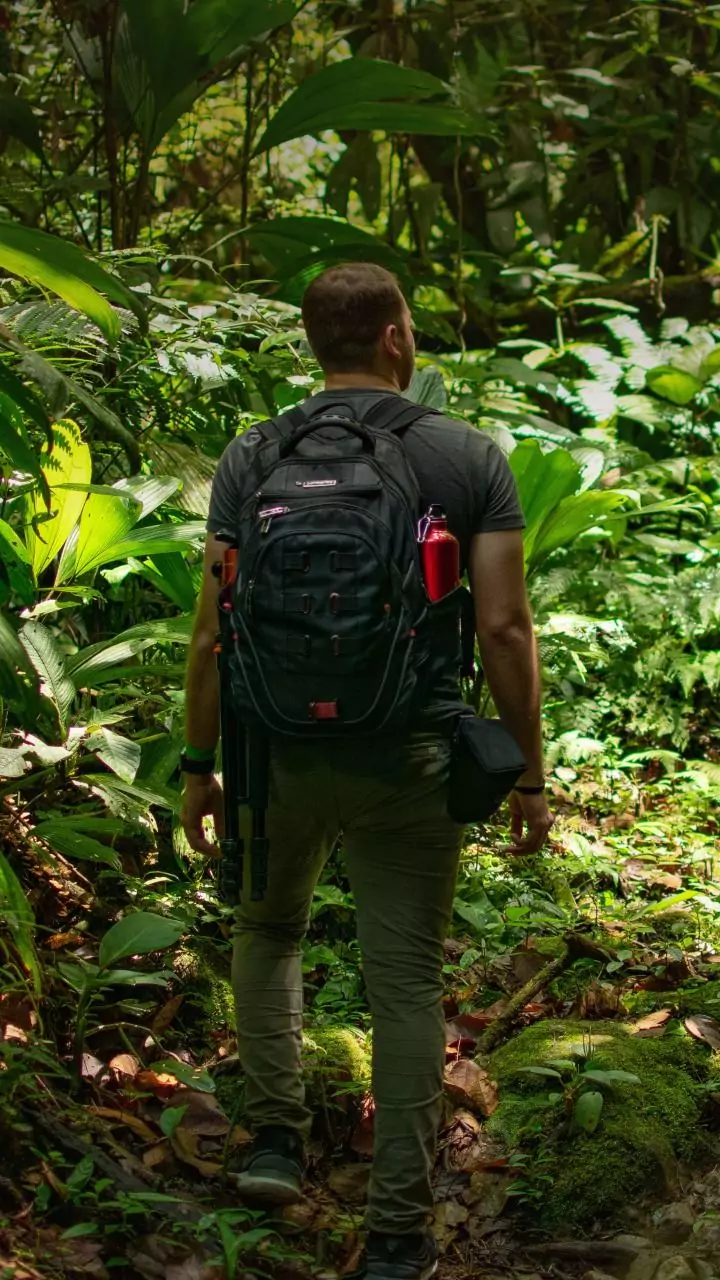
For a unique blend of nature and astronomy, the Pench Tiger Reserve in Maharashtra offers a compelling option. It has been designated as India's first Dark Sky Park, committed to preserving its natural darkness. The dense forest acts as a natural barrier to light pollution, creating ideal conditions for stargazing in the buffer zones. Many safari lodges in the area are now incorporating stargazing sessions into their itineraries, allowing travellers to enjoy the thrill of a tiger safari by day and the wonders of the cosmos by night. It's a reminder that preserving our natural world on the ground and protecting our view of the universe above are two sides of the same coin.