



More Than Just a Weather Event
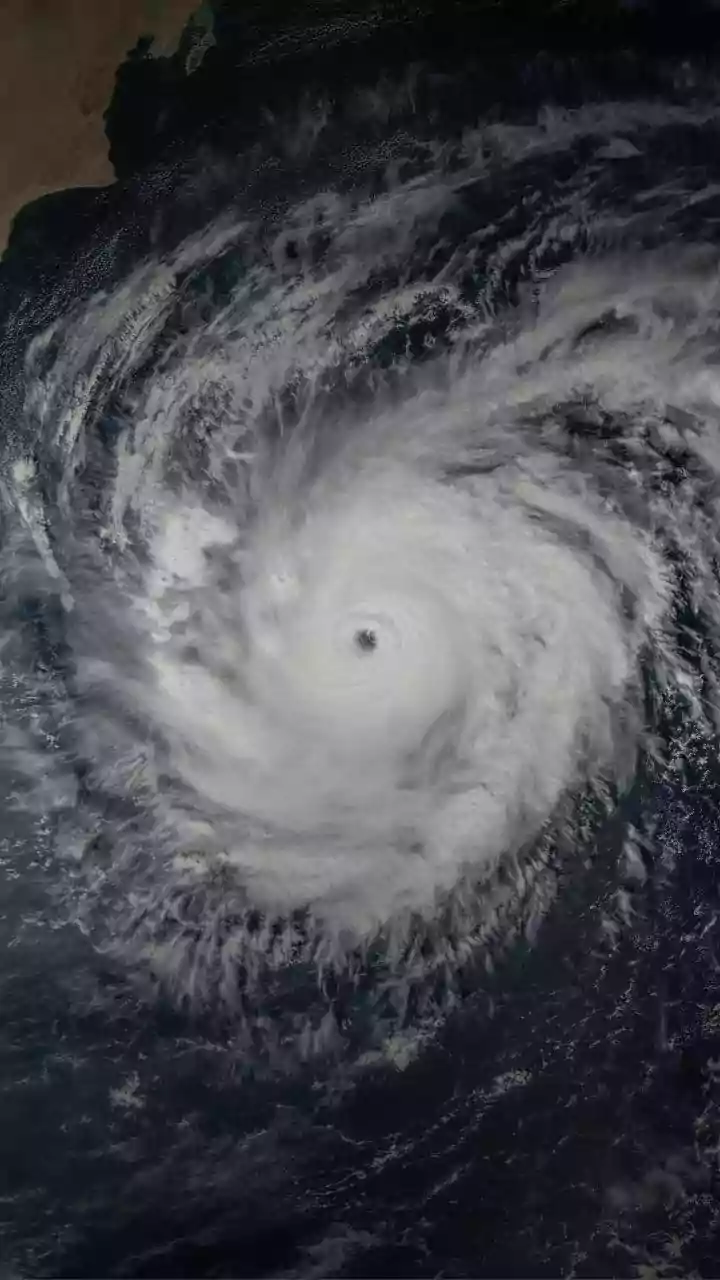
El Niño is a naturally occurring climate phenomenon marked by warmer-than-average sea surface temperatures in the central and eastern Pacific Ocean. This oceanic heat release alters atmospheric circulation globally, leading to significant shifts in temperature and rainfall
patterns. For India, this has historically meant hotter temperatures and a higher chance of a weaker southwest monsoon. While every El Niño is different, the developing 2026-2027 event is forecast to be particularly strong, prompting the World Health Organization (WHO) to activate its highest-level emergency response. The concern is not just about unusual weather, but the cascade of public health emergencies that can follow, from infectious disease outbreaks to malnutrition.
The Triple Threat of Heat, Water, and Food
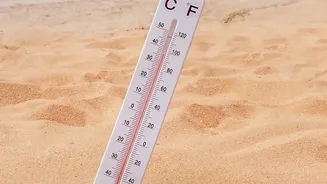
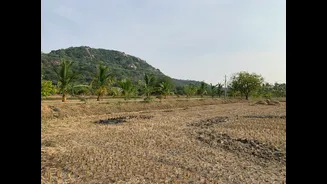
The most immediate challenge posed by a strong El Niño is extreme heat. Prolonged heatwaves can lead to a surge in heat exhaustion, heatstroke, dehydration, and acute kidney injury. This disproportionately affects the elderly, children, outdoor workers, and individuals with pre-existing conditions like heart disease or diabetes. Simultaneously, a deficient monsoon can lead to severe water stress and drought in many regions. This not only affects the availability of safe drinking water but also increases the risk of water-borne diseases like cholera and typhoid as sources become contaminated. The impact on agriculture is also a major health concern. Disrupted rainfall patterns can damage crops, leading to food shortages and price spikes that worsen food security and increase the risk of malnutrition, particularly among vulnerable communities.
A Breeding Ground for Vector-Borne Diseases
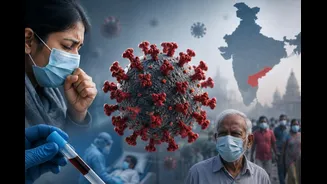
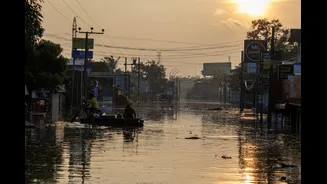
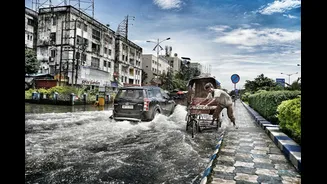
Changes in temperature and rainfall create ideal conditions for disease-carrying vectors, especially mosquitoes. Warmer temperatures can accelerate mosquito development and expand their geographic range, even into higher-altitude areas that were previously too cool for transmission. Erratic rainfall, including both drought and intense downpours, further complicates the issue. Drought can force households to store water in open containers, creating breeding sites for Aedes aegypti mosquitoes, the vectors for dengue and chikungunya. Conversely, flooding following intense rain can create vast new standing water habitats for various mosquito species. Past El Niño events have been linked to significant surges in dengue and malaria cases across Southeast Asia and other parts of the world.
Straining the Healthcare System
These overlapping threats place immense pressure on the healthcare system. Primary Health Centres (PHCs) are often the first line of defence, and they can be quickly overwhelmed by a simultaneous increase in heat-related illnesses, infectious diseases, and malnutrition cases. Health facilities must prepare for increased patient loads while potentially facing their own climate-related challenges, such as power outages or water shortages. The WHO and India's Ministry of Health and Family Welfare have issued advisories urging states to prepare for these cascading crises. This includes strengthening disease surveillance systems, ensuring adequate stocks of essential medicines like ORS and IV fluids, and preparing rapid response teams.
Preparing for the Pressure
In response to the forecasts, government bodies in India have begun reviewing preparedness. The Prime Minister's Office has held high-level meetings to coordinate efforts across various ministries, including health, agriculture, and water resources. The focus is on a multi-pronged strategy that involves daily monitoring of weather forecasts, issuing timely health alerts, and ensuring the readiness of health facilities. District-level contingency plans have been updated, and special attention is being given to the 100 districts identified as most vulnerable to heat. The goal is to move from a reactive to a proactive stance, anticipating the health impacts and mitigating them before they become widespread crises. This coordinated action between meteorological services, disaster management authorities, and the health sector is deemed essential to navigating the challenges ahead.