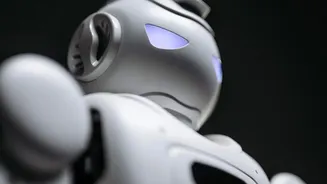




The era of humanoid robots has moved from science fiction to the factory floor. But as pilot programs conclude, the conversation is shifting from technological marvel to tough financial scrutiny. Are they worth the massive investment?
The Promise of a Perfect Worker
For years, the allure
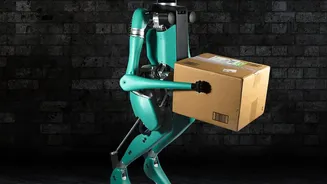
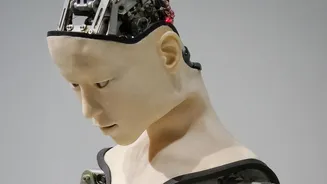
of humanoid robots has been their potential to seamlessly slot into environments built for people. Unlike specialized industrial arms, a bipedal robot could theoretically navigate stairways, open doors, and operate human-centric tools, all without requiring a complete redesign of a warehouse or factory. The primary driver for this interest is the persistent labor shortage in manufacturing and logistics, coupled with a desire for greater efficiency and safety. Companies like Figure AI, Apptronik, and Tesla are pitching these machines as the solution: a tireless, adaptable workforce that doesn't get injured or take vacations, capable of handling physically demanding or repetitive tasks.
The Harsh Reality of the Price Tag
The initial hurdle for any business is the staggering upfront cost. While prices are falling, industrial-grade humanoids can range from an ambitious target of $20,000-$30,000 for Tesla's Optimus to over $150,000 for models from competitors like Agility Robotics. But the sticker price is just the beginning. Real-world deployment requires significant additional spending on software integration with existing systems, infrastructure upgrades like high-speed Wi-Fi, safety certifications, and extensive operator training. These hidden costs can add tens of thousands of dollars per unit, making the total first-year investment a major capital expenditure that demands a clear return.
From Controlled Demos to Chaotic Floors
A robot performing flawlessly in a polished demo video is one thing; maintaining that performance over an eight-hour shift in a dynamic factory is another challenge entirely. Early pilot programs, like the one involving Figure's robot at a BMW plant, have provided invaluable data. While the robot successfully logged over 1,250 hours, its performance on specific tasks was often slower than that of a trained human worker. Key limitations that are now under scrutiny include battery life, with most current models unable to last a full shift without recharging or a battery swap. Furthermore, the robot's ability to handle unexpected variations—like a slightly misplaced part or a cluttered walkway—remains a significant gap between current AI and the adaptability of a human.
Calculating the Return on Investment
The central question for any CFO is: when does this pay for itself? The calculation is complex. On one hand, a robot that can work around the clock could replace two or even three human shift workers. Projections for Tesla's Optimus, at its target price, suggest a payback period of under a year when replacing a U.S. manufacturing worker. However, these optimistic scenarios depend on the robot achieving near-human levels of speed and reliability, which hasn't been consistently demonstrated yet. Some analyses show that for certain tasks, the payback period could be a more sobering 5 years or longer, especially for higher-priced robots or in less intensive applications. Many current deployments are therefore better understood as longterm research and development efforts rather than immediate costsaving measures.