







The New Travel Compass
For generations, Indian travel was tethered to predictable rhythms: summer holidays for the kids, a Diwali break with family, or a dash to the hills during a long weekend. The primary consideration was available leave. Today, that logic is being inverted.
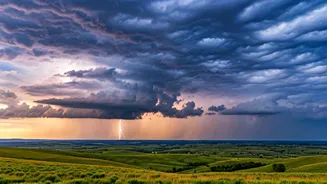
A growing cohort of travellers is now planning their trips ‘weather-first’. This means the destination is secondary to the desired climate. Instead of asking, “Where should we go in May?” the question is becoming, “Where can we find a pleasant 20°C in May?” This isn’t merely about avoiding a downpour; it’s about actively seeking out specific weather experiences, whether it’s the cool mountain air to escape a scorching city, the lush green of a monsoon-drenched landscape, or the crisp, dry winter of the north.
Driven by Climate Extremes
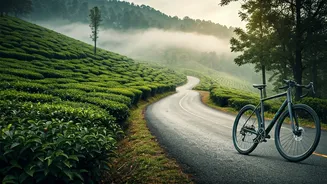
A major catalyst for this behavioural shift is the undeniable impact of climate change. Searing, record-breaking heatwaves are no longer a brief anomaly but a prolonged, punishing reality in many Indian cities. The months of April, May, and June have become less about pre-monsoon anticipation and more about urban survival. For those with the means and flexibility, escaping the oppressive heat is not a luxury but a necessity for physical and mental well-being. This has led to a surge in 'heat-fugitives'—travellers who book last-minute getaways to hill stations like Shimla, Manali, Ooty, or Coorg, not for sightseeing, but simply to breathe cool air and function without relentless air conditioning. Travel portals report massive spikes in searches for cooler destinations corresponding directly with heatwave alerts in metropolitan areas.
The 'Work-From-Anywhere' Effect
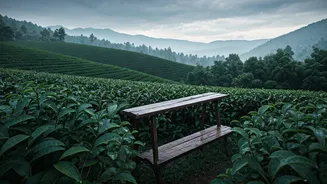
The pandemic-induced normalisation of remote work has been the other key ingredient. The freedom from a physical office has untethered millions of professionals from traditional schedules. If you can answer emails and attend Zoom calls from anywhere, why not do it from a place with better weather? This has given rise to the 'work-ation' or 'stay-cation' where individuals or families relocate for weeks or even months at a time. They are not tourists in the traditional sense. They seek comfortable homestays or serviced apartments with strong Wi-Fi, integrating work with the leisure of a better climate. This allows them to bypass the crowded and expensive peak seasons, travelling instead during 'shoulder seasons' when the weather is ideal and the destinations are quieter.
Redefining the 'Off-Season'
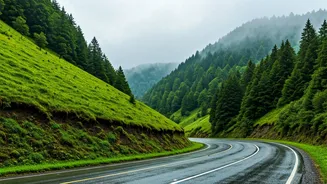
The weather-first mindset is completely upending the concepts of 'peak' and 'off-season'. The monsoon, once considered a dead period for tourism in many parts of India, is a prime example. Today, 'monsoon tourism' is a booming segment. Travellers are flocking to places like Kerala, Goa, and the Western Ghats specifically to experience the romantic, rejuvenating power of the rains. Hotels and resorts now offer monsoon packages, celebrating the very thing they once lamented. Similarly, destinations that were once only considered for a specific season are finding year-round interest. A desert destination like Jaisalmer might see traffic from travellers seeking its unique dry winter cold, while coastal towns see visitors looking for a specific window of low humidity.
How the Industry Is Adapting
The travel and hospitality industry, ever responsive to consumer demand, is taking note. Airlines and online travel agencies (OTAs) are using sophisticated algorithms to predict demand based on weather forecasts, implementing dynamic pricing to match. Hotels in traditionally seasonal destinations are innovating to attract this new type of traveller. They are advertising their 'pleasant weather' as a key amenity, offering long-stay packages with work-friendly facilities, and curating experiences that align with the climate, like open-air dining in cool weather or indoor wellness activities during heavy rains. This shift is also giving a boost to lesser-known destinations that happen to offer a climatic advantage at certain times of the year, helping to distribute tourist traffic more evenly and reduce the burden on over-exposed hotspots.