




Venture Beyond the Popular Hubs
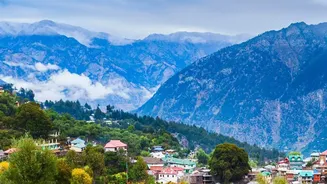
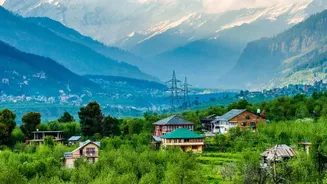
While Gushaini and Jibhi are beautiful, they are often the busiest starting points for travellers. To find a more peaceful experience, consider staying in lesser-known villages. Hamlets like Nagini, known for its traditional wooden houses, and the slightly
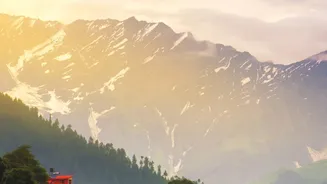
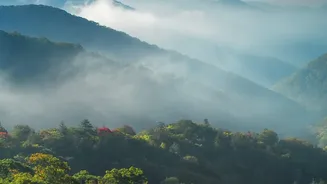
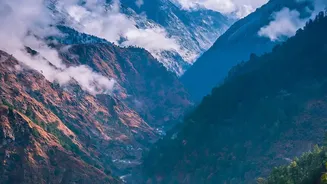
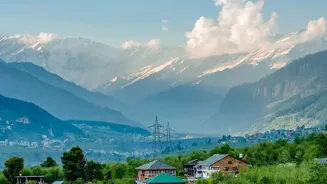
more remote Sharchi, which offers stunning Himalayan views from its 7,284-foot elevation, provide a quieter base. Nearby Sainj Valley, often overshadowed by Tirthan, is home to the pristine Shangarh meadows, offering a serene escape with very few tourists. These villages give you a glimpse into the authentic local lifestyle while serving as gateways to the Great Himalayan National Park (GHNP) buffer zone. The key is to move just a few kilometres away from the main entry points to find a completely different, uncrowded atmosphere.
Choose Homestays and Eco-Stays
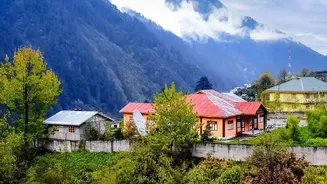
Tirthan Valley is the heartland of homestay culture, and opting for one is the best way to ensure a quiet and authentic stay. Unlike commercial hotels, homestays are often located in more secluded spots, tucked away in apple orchards or perched by the river. These stays not only offer warm hospitality and delicious home-cooked Himachali meals but also champion eco-tourism. Many properties are built using traditional, earth-friendly methods with wood and stone, helping you connect more deeply with the region’s ethos of sustainable travel. Booking a room in a family-run guesthouse or an eco-stay ensures your visit supports the local community directly and keeps you far from the bustle of larger tourist establishments.
Explore Lesser-Known Trekking Trails
The trek to Serolsar Lake via Jalori Pass is famous, but it also draws the largest crowds. For a more solitary walk, explore some of the valley's other trails. The trek to Chehni Kothi, a towering 9-storey stone-and-wood structure, is a short but rewarding climb with panoramic views. For a truly offbeat experience, consider the Raghupur Fort trek, which leads to historic ruins overlooking the Kullu Valley, or the gentle riverside walk from Gushaini along the Tirthan River. Other hidden gems include the paths to Bahu Lake and the Myagi Village trail, which remain relatively unexplored. Hiring a local guide can unlock access to even more hidden paths and waterfalls that don't feature on popular itineraries.
Travel During the Shoulder Seasons
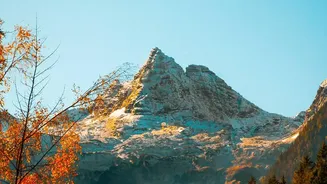
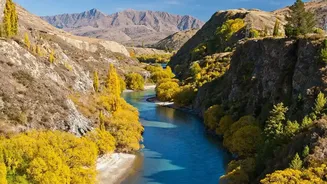
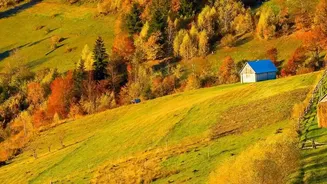
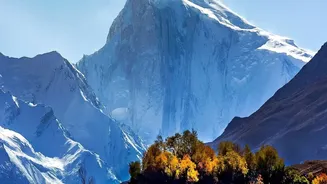
Timing your visit is crucial for avoiding the rush. The peak tourist season in Tirthan Valley runs from March to June. While the weather is pleasant, this is when the valley sees the most visitors. For a quieter experience, plan your trip during the shoulder seasons. The autumn months of September and October offer crisp air, clear skies, and far fewer tourists. The valley is painted in golden hues, making it perfect for photography and peaceful treks. Another option is late winter, from late November to February, if you enjoy the snow and solitude, though be aware that higher passes like Jalori may be closed. The monsoon months of July and August are the absolute off-season due to heavy rain and potential landslides.
Embrace the Slow and Simple Activities
The true essence of Tirthan lies in its simple pleasures, which are naturally uncrowded. Spend a quiet afternoon angling for trout in the crystal-clear Tirthan River (a permit is required). The valley is a paradise for birdwatchers, with numerous species to spot on early morning walks. Instead of rushing from one viewpoint to another, find a spot by the river, read a book, or simply watch the clouds drift over the mountains. Exploring the local culture through village walks in places like Banjar or Nagini offers a fulfilling experience away from tourist hotspots. The joy of Tirthan is in its unhurried pace—embracing it is the easiest way to find your green retreat.