




The New Reality: Heat and Pollution
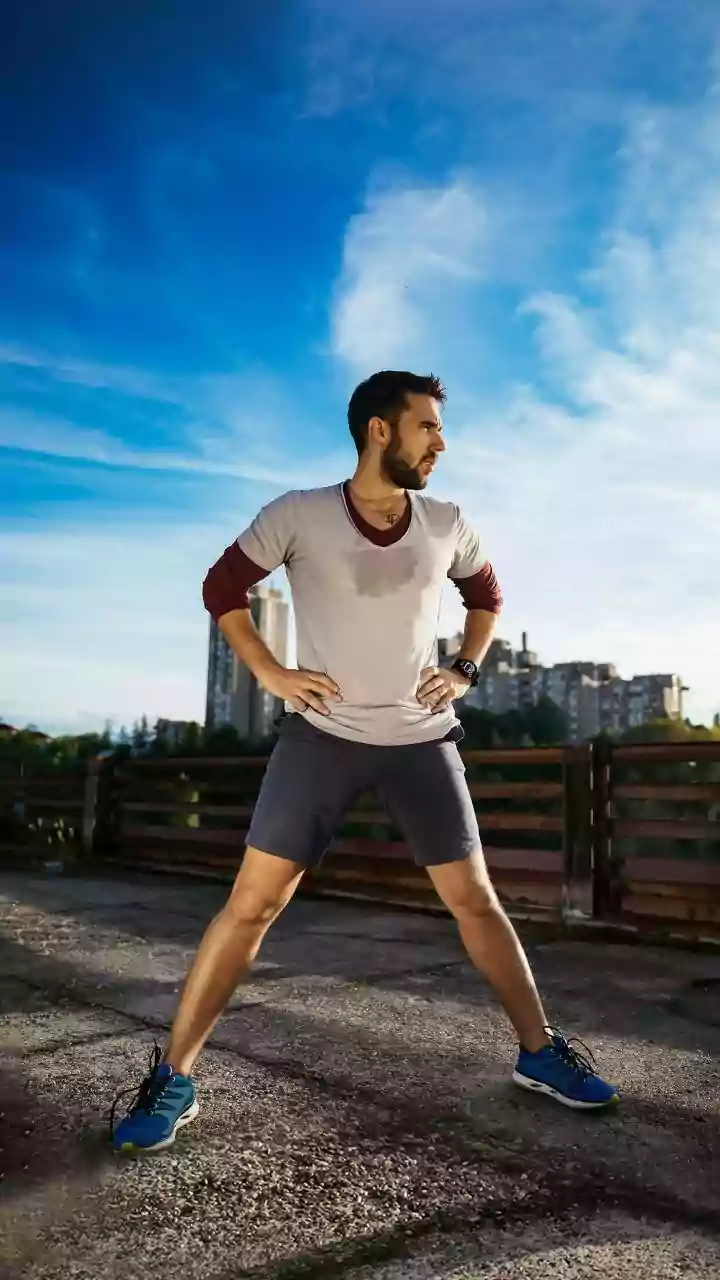
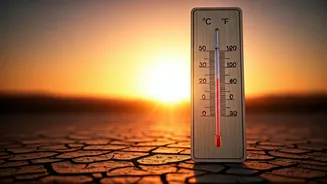
Across India, climate change is no longer an abstract concept; it's a daily reality dictating how we live, work, and exercise. Intense heatwaves are becoming the new normal, with several parts of the country facing extreme temperatures. Exercising in such
conditions puts immense stress on the body. During physical activity, muscle metabolism generates significant heat. Extreme ambient heat makes it harder for the body to cool itself, forcing the cardiovascular system to work overtime to send blood to both the muscles and the skin for cooling. This increases heart rate and can lead to dangerous conditions like heat exhaustion or heatstroke. Compounding the heat is the pervasive issue of air pollution. In many cities, the Air Quality Index (AQI) frequently enters the 'very poor' or 'severe' categories. When you exercise, your breathing rate increases dramatically—from about 15 breaths per minute at rest to as many as 40-60 during a workout. This means you inhale a much larger volume of harmful pollutants like particulate matter (PM2.5), which can bypass the body's natural filters and lodge deep in the lungs, increasing the risk of chronic respiratory diseases.
Know the Risks: Listening to Your Body
Pushing through a workout in extreme heat or smog isn't a sign of strength—it's a significant health risk. Heat-related illnesses progress from milder forms like heat cramps and heat exhaustion to the life-threatening condition of heatstroke. Symptoms of heat exhaustion include dizziness, nausea, headache, excessive sweating, and fatigue. If you experience these, it is critical to stop, move to a cooler place, and hydrate immediately. Heatstroke is a medical emergency, with symptoms including a body temperature of 40°C or higher, confusion, slurred speech, and potentially hot, dry skin or profuse sweating. Similarly, exercising in polluted air makes your body work harder, elevates your resting heart rate, and can weaken the protective benefits of physical activity over the long term. It's crucial to be aware of these dangers and listen to your body's warning signals.
Smart Timing and Location Choices
Adapting your routine doesn't mean giving up. One of the most effective strategies is to be strategic about when and where you exercise. During heatwaves, avoid working out during the hottest part of the day, typically between 11 a.m. and 4 p.m. The best times are early in the morning (around 5:30 to 7:30 a.m.) or late in the evening (after 6:30 p.m.), when temperatures are cooler. For pollution, early morning is often better as overnight winds can help disperse pollutants and traffic levels are lower. Always check the daily AQI forecast using reliable apps or government websites. On days when the AQI is 'very poor' or 'severe' (generally above 200-300), it's wisest to move your workout indoors. When you do exercise outdoors, try to pick parks or areas away from high-traffic roads to reduce your intake of vehicle exhaust fumes.
Embrace Indoor Alternatives
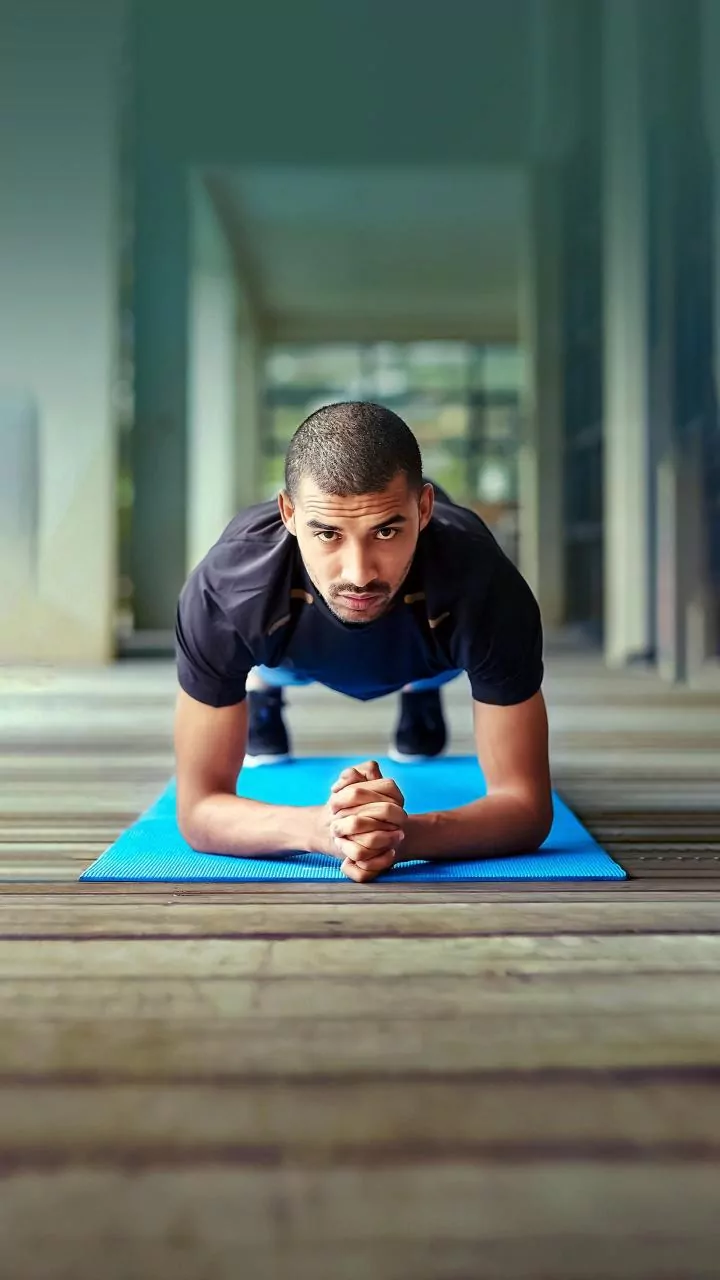
When outdoor conditions are unsafe, your living room can become your new gym. There are numerous effective indoor workouts that require little to no equipment. Bodyweight circuits are an excellent option, combining exercises like squats, lunges, push-ups, and planks to provide a full-body workout. High-Intensity Interval Training (HIIT) is another time-efficient way to boost cardiovascular fitness with short bursts of intense effort followed by recovery periods. Yoga not only improves strength and flexibility but also incorporates breathing exercises (pranayama) that can enhance respiratory health. Other great indoor options include dance workouts like Zumba, skipping rope, or climbing stairs. The key is to have a portfolio of activities ready, so a bad weather day doesn't derail your fitness goals.
Hydrate, Dress Smart, and Acclimatise
Proper preparation is your best defence against the elements. Hydration is non-negotiable. Drink plenty of water before, during, and after your workout. A general guideline is to drink about 500 ml of water an hour before exercising and then 150-200 ml every 15-20 minutes during the activity. For longer workouts, a sports drink can help replenish lost electrolytes like sodium and potassium. Your choice of clothing also matters. Opt for light-coloured, lightweight, and loose-fitting apparel made of breathable fabrics that help sweat evaporate and keep you cool. Finally, allow your body time to adapt. If you're new to exercising in the heat, start slowly and gradually increase the intensity and duration over one to two weeks. This acclimatisation process helps your body become more efficient at sweating and cooling itself.