







The New Climate Reality
Remember when a summer trip to Europe was a guarantee of mild, pleasant weather? Those days are fading. In recent years, countries from Greece to Spain have battled record-breaking heatwaves and wildfires, forcing tourist evacuations and shuttering famous
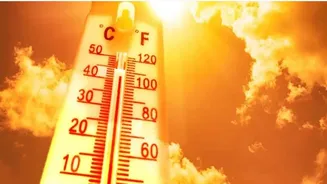
attractions like the Acropolis in Athens during the hottest parts of the day. It’s a similar story closer to home. The Indian Meteorological Department (IMD) has been issuing more frequent and severe heatwave alerts across the country, turning what was once the peak holiday season into a period of potential risk. This isn't a fluke; it's a pattern. Extreme heat is now a predictable, and therefore plannable, part of travel.
Rethink Your Destination and Timing
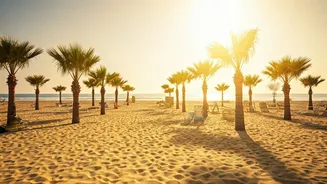
The first step in heat-aware travel planning is rethinking the 'where' and 'when'. Instead of automatically booking a trip during the May-June school holidays, consider 'shoulder seasons' like March-April or September-October, when temperatures are more manageable in many destinations. Look for destinations that offer natural respite from the heat. This could mean swapping a city break in the plains for a trip to the mountains in Himachal or Uttarakhand, or exploring the cooler coastal regions. When researching international trips, don't just look at average temperatures; search for recent heatwave history for your chosen month. A destination that was temperate five years ago might be scorching now. Prioritise locations with ample green space, access to water, and a culture of 'siesta' or midday breaks.
Choose Accommodation Wisely
Your choice of accommodation is your first line of defence against extreme heat. While a charming, rustic homestay without air conditioning might seem romantic online, it can become a health hazard during a heatwave. When booking, make reliable air conditioning a non-negotiable filter. If possible, choose a hotel with a swimming pool for a quick way to cool down. Also, consider the hotel's location. Is it a long, exposed walk in the sun to the nearest public transport or restaurant? Opting for a well-connected location can significantly reduce your time spent exposed to peak afternoon heat. Reading recent reviews can also provide clues about how well a property handles high temperatures.
Adapt Your Itinerary Daily
The days of a rigid, packed sightseeing schedule are over. Modern travel requires flexibility. Plan your days around the sun. Emulate the local lifestyle in hot climates: schedule outdoor activities like walking tours and monument visits for the early morning or late afternoon. Use the hottest part of the day, typically from 12 PM to 4 PM, for indoor activities. This is the perfect time to explore museums, art galleries, enjoy a long lunch in an air-conditioned restaurant, or simply take a nap back at your hotel. Always have a backup plan. If an outdoor market is unbearable, what's a nearby indoor alternative? Download a reliable weather app and check the hourly forecast and heat index (the 'feels like' temperature) each morning before you head out.
Pack Smart and Stay Hydrated
Your packing list needs an update. Beyond light, loose-fitting cotton or linen clothes in pale colours, include essentials for heat management. A wide-brimmed hat, UV-protection sunglasses, and high-SPF sunscreen are non-negotiable. Also consider packing a reusable insulated water bottle to keep your water cool, electrolyte powders or tablets to replenish salts lost through sweating, and a small, portable fan or a cooling towel. Hydration is the most critical rule of travel in the heat. Don't wait until you feel thirsty. Sip water consistently throughout the day. Avoid excessive alcohol and caffeine, which can be dehydrating. Familiarise yourself with the early signs of heat exhaustion: dizziness, headache, heavy sweating, and nausea. At the first sign, get into a cool place, hydrate, and rest.