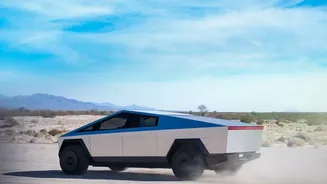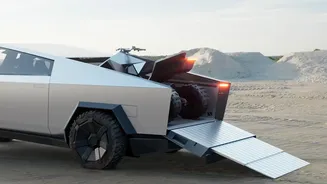



Tesla plans to wind down production of its polarizing Cybertruck by mid-2027, a surprising end for one of the most hyped vehicles in recent memory. The move signals a major strategic pivot away from the headline-grabbing pickup to focus on the future.
The End of a Steel Era
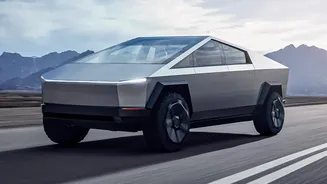
In a move that concludes a turbulent chapter for the electric vehicle maker, Tesla CEO Elon Musk announced that Cybertruck production at its Texas Gigafactory will cease around the middle of 2027. The primary reason for the decision is to reallocate factory space and resources to ramp up production of the 'Cybercab', Tesla's dedicated autonomous vehicle designed for a future robotaxi network. This confirms a strategic choice to prioritize the company's long-term ambitions in autonomy over continuing with its niche, stainless-steel pickup truck. While Musk did not specify if production might move elsewhere, the specialized tooling required makes a revival at another plant unlikely.
A Difficult Road From Hype to Reality
The Cybertruck's journey has been fraught with challenges since its infamous 2019 unveiling, where its 'armored glass' shattered during a live demonstration. Originally slated for a 2021 launch, the truck faced significant delays due to the complexities of manufacturing its unconventional stainless-steel exoskeleton. This material proved difficult to shape and was prone to showing corrosion, fingerprints, and scratches, creating headaches for both production lines and owners. Once deliveries finally began in late 2023—two years late and at a much higher price point—the vehicle was plagued by at least 11 recalls for issues ranging from faulty accelerator pedals to detaching trim panels.
Falling Short of Ambitious Goals
Despite garnering over a million initial reservations, actual sales failed to meet Tesla's lofty projections. The company had installed capacity to produce over 125,000 units annually but struggled to move a fraction of that. Estimated US sales hit a high of around 39,000 in its first full year of 2024 before dropping significantly. In a 2023 call, Musk himself admitted, 'We dug our own grave with Cybertruck', acknowledging the 'enormous challenges' in scaling production and achieving profitability. The high production costs and lower-than-expected sales volume likely weighed on the company's profit margins, making the pivot to the Cybercab a financially prudent decision.
Pivoting to an Autonomous Future
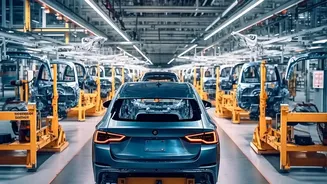
The decision to end Cybertruck production is less about failure and more about strategic reallocation. Tesla is betting its future on autonomy and its next generation vehicle platform. This new architecture, which underpins the Cybercab, is designed for highly efficient, scaled manufacturing using techniques like large single unit castings and a 48 volt system. The Cybercab is a two seater vehicle with no steering wheel or pedals, built expressly for a Tesla operated ride hailing service. By freeing up the Cybertruck line, Tesla can accelerate the production of these robotaxis, which Musk sees as central to the company's growth. This move shifts focus from selling individual, high concept vehicles to building a scalable, high utilization autonomous network.