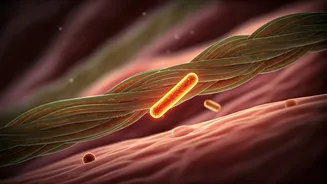









Your Gut: The Body's Mission Control
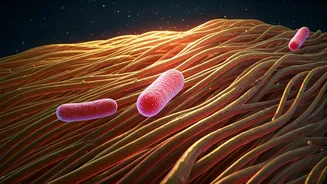
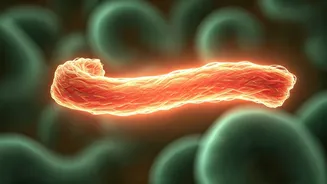
Before we give fibre its starring role, let's set the stage. Your gut is more than just a digestive tube; it's a bustling metropolis of trillions of microorganisms, collectively known as the gut microbiome. [1] This internal ecosystem is mission control
for your entire body, influencing everything from your immune system and mood to your skin health and energy levels. [7] A balanced and diverse microbiome is crucial for overall well-being. [7, 8] When the good bacteria in your gut thrive, they perform essential functions that our own bodies can't. [18] But to do their job, they need the right fuel. And that's where fibre makes its grand entrance.
Fibre's Starring Role
For years, fibre was typecast simply as 'roughage'—a one-note character good for little more than promoting regularity. [2] While that's certainly part of its skillset, it's a massive understatement of its true talent. Dietary fibre is a type of carbohydrate found in plants that our bodies can't actually digest. [13, 18] Instead of being broken down in the small intestine, it travels relatively intact to the large intestine, where most of our gut microbes live. [1, 2] There, it becomes the main course for our beneficial bacteria. [1] By feeding these microbes, fibre allows them to flourish, keeping the gut environment balanced and healthy. [2, 7]
The Supporting Cast: Soluble vs. Insoluble Fibre
Fibre isn't a monolith; it has two distinct personalities, both of which are vital to the production. First, there's insoluble fibre. Think of it as the body-double that keeps things moving. It doesn’t dissolve in water and instead adds bulk to stool, which helps prevent constipation and promotes regular bowel movements. [3, 10] You'll find it in whole grains and the skins of fruits and vegetables. [3, 7]
Then there's soluble fibre, the real drama kid. It dissolves in water to form a gel-like substance. [3, 10] This gel slows down digestion, which helps regulate blood sugar levels and can lower 'bad' LDL cholesterol. [3, 12] But its most important role is as a prebiotic. [2, 5]
The Prebiotic Power-Up
Certain types of soluble fibre act as prebiotics, which are essentially a gourmet meal for your good gut bacteria. [2, 19] When these bacteria feast on prebiotic fibre, they produce incredibly beneficial compounds called short-chain fatty acids (SCFAs). [1, 8, 18] Think of SCFAs as the power-ups that give you that main character glow. These molecules, like butyrate, propionate, and acetate, are superheroes for your health. [8, 22] They serve as the primary energy source for the cells lining your colon, strengthen the gut barrier to keep harmful substances out, reduce inflammation, and even communicate with your brain. [1, 8, 20] By nourishing the bacteria that produce SCFAs, fibre directly contributes to a healthier gut, a stronger immune system, and even a more stable mood. [1, 7, 20]
How to Cast Fibre in Your Daily Diet
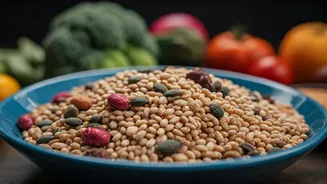
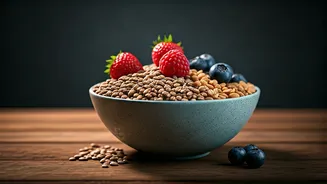
Despite its importance, most people don't get enough fibre, with recommendations for adults around 25-38 grams per day. [4, 8] Boosting your intake doesn't have to be a major production. Start by making small, consistent changes. Swap white bread for whole grain. [4] Add a handful of berries or a spoonful of chia seeds to your morning oats or yogurt. [6] Incorporate more legumes like lentils, chickpeas, and black beans into your meals—they are powerhouses of gut-friendly fibre. [9, 19] Fruits and vegetables are your friends; aim for a variety of colours to get a wide range of fibres and nutrients. [4] Foods particularly rich in prebiotic fibres include onions, garlic, asparagus, bananas, and artichokes. [19, 21] By focusing on whole, plant-based foods, you'll naturally increase your fibre intake and give your gut microbiome the support it needs to make you the star of your own wellness journey. [4, 6]