



The Morning Time Crunch
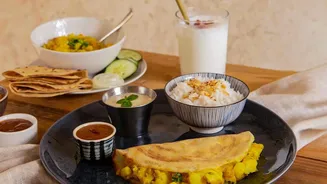
The single biggest driver of this change is time—or the lack of it. For millennials and Gen Z juggling early commutes, demanding work schedules, and academic pressures, the leisurely breakfast is a luxury few can afford. Long gone are the days of sitting
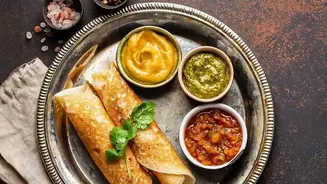
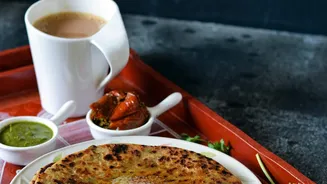
down to a freshly prepared plate of parathas or idlis. Today's reality is a race against the clock, where breakfast often becomes the most negotiable meal of the day. Studies show a significant number of young, urban Indians are skipping breakfast altogether or grabbing something quick on the go. This isn't due to a lack of appetite or awareness of its importance; it's a practical response to mornings that start earlier and move faster than ever before.
Convenience Becomes King
To fill the gap left by time-consuming traditional meals, convenience has emerged as the new king of the breakfast table. The market for ready-to-eat and ready-to-cook options is booming, with the Indian breakfast foods market projected to grow significantly. Western-style cereals, once a niche product, have been adapted to Indian tastes, with a focus on healthier options like oats, muesli, and millet-based mixes. Beyond cereals, the rise of quick-commerce apps has put everything from smoothies and breakfast bars to instant upma and poha just a few taps away. This trend, sometimes called the "snackification" of breakfast, sees younger consumers replacing or supplementing meals with snacks that are portable, time-efficient, and provide sustained energy.
A New Focus on Health and Nutrition
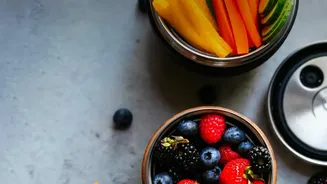
While convenience is crucial, it's not the only factor. Young consumers are arguably more health-conscious than any generation before them. They are actively seeking out breakfasts that are not just quick, but also nutritious. There's a growing demand for options that are high in protein and fibre, low in sugar, and made from clean, natural ingredients. This has led to a surge in products like protein-fortified drinks, smoothie bowls, and egg-based dishes. Unlike previous generations who may have turned to whey protein shakes, today's youth often prefer getting their protein from whole food sources. This nutritional awareness is also driving a comeback for traditional Indian grains like millets (ragi, jowar, bajra), which are now being incorporated into modern, convenient formats like instant dosas and porridge.
Global Tastes on the Indian Plate
Increased exposure to global trends through travel and social media has also expanded the modern Indian breakfast palate. While traditional dishes remain beloved, a new generation is enthusiastically embracing international favourites. Avocado toast, smoothie bowls, pancakes, and savoury waffles are no longer just café novelties; they are becoming part of the home breakfast rotation. This fusion of global and local is creating a dynamic breakfast landscape where an American-style pancake might be flavoured with a pinch of cardamom or drizzled with jaggery syrup. It reflects a generation that is rooted in its heritage but open to the world, creating a breakfast menu that is both diverse and deeply personal.
Tradition Isn't Disappearing, It's Adapting
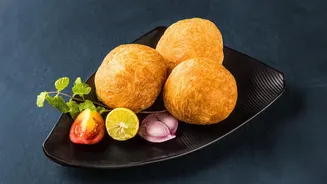
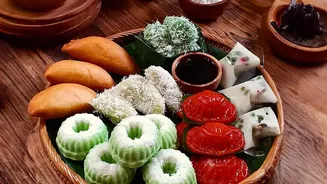
Despite the rapid pace of change, traditional Indian breakfast isn't vanishing—it's evolving to fit modern lifestyles. The comfort of a familiar plate of idli-sambar or poha is undeniable, and these dishes continue to be staples. The difference is in the preparation. Many brands now offer ready-to-cook batters, pre-cut vegetables, and instant mixes that drastically cut down cooking time without compromising on authentic taste. This allows busy young consumers to enjoy a taste of home even on the most hectic mornings. The future of Indian breakfast isn't a battle between tradition and modernity, but a blend of the two—a wholesome, convenient, and flavourful meal that respects both where it came from and the demands of the present.