
The Golden Triangle of Freezer Labeling
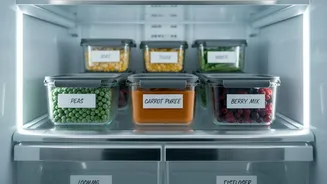
A great freezer label contains a simple but powerful trio of information: the name of the dish, the date it was frozen, and the portion size. Think of this as the golden triangle of freezer organization. Miss one piece, and the system starts to break
down. Proper labeling is the difference between a freezer that saves you time and money and one that’s just a cold storage unit for forgotten foods. Getting this right turns your freezer from a source of mystery into a reliable library of future meals, drastically cutting down on food waste and dinner-time stress.
The 'What': Preventing Flavour Surprises
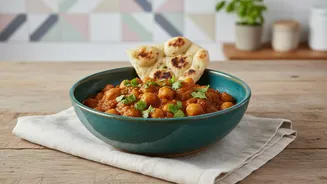
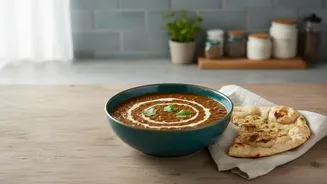
Clearly writing the name of the food seems obvious, but specificity is your best friend. “Chicken Curry” is good; “Spicy Malabar Chicken Curry” is better. Why? It helps you grab exactly what you’re in the mood for and avoids disappointment. It’s a classic kitchen mishap to mistake a container of gravy for chocolate ice cream because it was stored in a reused tub without a new label. Being specific also helps others in the household. If someone else is pulling dinner from the freezer, a clear label means they won’t have to guess. This simple step ensures you're never again faced with a culinary lucky dip when you're just trying to get a quick meal on the table.
The 'When': Your Key to Quality and Safety
The date of freezing is crucial for two reasons: food safety and quality. While properly frozen food remains safe to eat almost indefinitely, its quality in terms of taste and texture degrades over time. A date helps you practice the “First-In, First-Out” (FIFO) method. This professional kitchen strategy is simple: use the oldest items first to ensure everything is eaten at its best. For example, ground meat maintains peak quality for about three to four months, while soups and stews are best within two to three months. Without a date, three months can feel like three weeks, leading to freezer burn and wasted food.
The 'How Much': The Secret to Smart Meal Planning
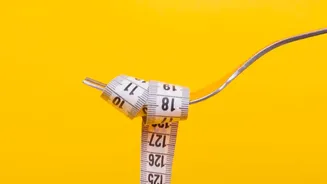
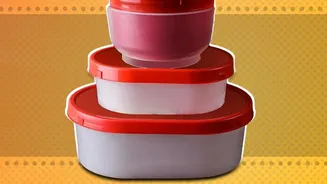
Including the portion size is the game-changing detail many people overlook. Labeling a large container of keema with “4 servings” or a smaller one with “1 serving” transforms your meal prep. It allows you to defrost exactly what you need, preventing the waste that comes from thawing a giant batch for one person. This is especially useful for busy weeknights or when packing lunches. Portioning food into appropriate serving sizes before freezing minimizes repeated exposure to air, which is a primary cause of freezer burn and flavour loss. It streamlines everything, from planning the week’s meals to grabbing a quick, single-serve portion on your way out the door.
Practical Tips for Perfect Labels
The best time to label your container is before you fill it, or at least while it's still at room temperature. Writing on a cold, frosty surface can cause ink to smear and adhesives to fail. You don’t need fancy equipment; simple painter's tape or masking tape and a permanent marker work wonders. These are designed to stick in the cold and peel off without leaving a sticky residue. When labeling, make sure the surface of the container is clean and dry. And remember to cool hot foods before packaging them for the freezer; this helps retain texture and flavour and prevents condensation that can ruin your label.