





A New, Stormier Reality
The familiar rhythm of the seasons is changing. Climate change is no longer a distant forecast but a present-day reality, especially for India's coastal states. Warmer ocean temperatures in the Indian Ocean are providing the fuel for cyclones to form
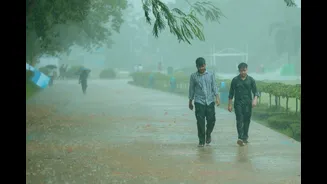
more frequently and with greater intensity. The Arabian Sea, historically calmer than the Bay of Bengal, has seen a marked increase in severe cyclonic storms like Tauktae and Biparjoy, putting western states like Gujarat and Maharashtra on higher alert than ever before. This new reality means that the threat isn't just from scheduled cyclone seasons; it’s a year-round vulnerability to storm surges, extreme rainfall, and coastal erosion that threaten homes, livelihoods, and critical infrastructure.
Success in Forecasting, Gaps in Reach
India has made remarkable strides in weather prediction. Agencies like the India Meteorological Department (IMD) and the Indian National Centre for Ocean Information Services (INCOIS) have developed sophisticated systems to track cyclones with impressive accuracy. This has led to major successes, such as the mass evacuations in Odisha during Cyclone Fani in 2019, which saved countless lives compared to the devastating 1999 super cyclone. However, an accurate forecast is only half the battle. The greatest challenge remains in what is often called the 'last-mile': ensuring that a warning issued from a high-tech centre reaches a fisherman deep at sea or a family in a remote coastal hamlet in a timely and understandable manner.
The Critical Last-Mile Problem
A warning is useless if it is not received or understood. This is the critical gap in India's current system. For many in coastal communities, particularly artisanal fishermen, going beyond the 10-12 km range of mobile networks means being cut off from crucial alerts. The Ockhi cyclone in 2017 was a tragic reminder of this, where fishermen already at sea had no way of receiving the warning about the rapidly intensifying storm. Furthermore, alerts need to be in local languages and formats that are easily understood, not just complex meteorological bulletins. Overcoming barriers of language, digital literacy, and simple network availability is paramount to making warnings truly effective.
Innovating for a Safer Future
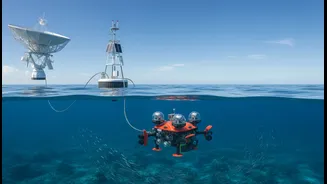
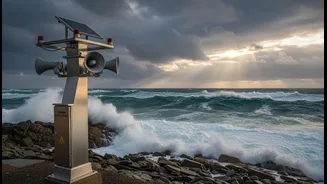
The good news is that solutions are being developed. INCOIS has launched initiatives like the GEMINI device, a satellite-based system that can transmit warnings to fishermen far from the coast. The SAMUDRA mobile app consolidates various ocean data services, providing real-time alerts for tsunamis, storm surges, and high waves in multiple languages. These technological advancements are crucial. But technology alone isn't enough. It must be paired with on-the-ground community engagement, training volunteers, using public address systems, and integrating traditional knowledge to build a multi-layered defence system where no one is left behind.