


Don't Aim for 26 Dishes
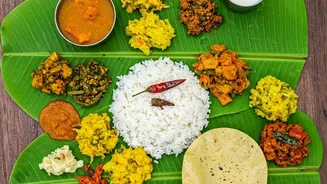
A traditional Sadhya can have over 26 items, but you don't need to make them all. For your first time, focus on mastering a few essential dishes that capture the spirit of the feast. A manageable menu could include rice (preferably Kerala Matta rice),
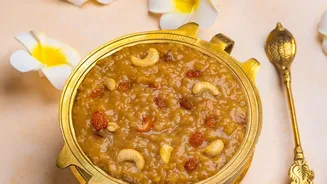
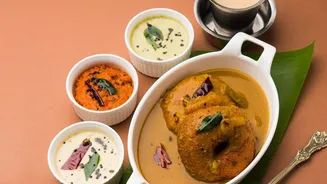
Parippu (lentil curry), Sambar, Avial (mixed vegetables in coconut), a simple Thoran (stir-fried vegetable with coconut), a Pachadi (yogurt-based side), and a Payasam (dessert). You can easily supplement your homemade dishes with store-bought pickles, pappadams, and banana chips. The goal is to enjoy the process, not to feel overwhelmed.
The Secret is Planning Ahead
The key to a successful Sadhya is not last-minute hustle, but careful planning. Create a clear menu and a shopping list at least three to four days in advance. This gives you enough time to source all the vegetables and ingredients. Create a timeline: some items like Inji Puli (ginger-tamarind chutney) and pickles can be made a few days ahead as their flavours improve over time. You can also chop most vegetables for dishes like Avial and Sambar the day before and store them in the refrigerator.
Prep Work Makes the Dream Work
The day before Thiruvonam is crucial for prep. Grate a good amount of coconut, as it forms the base for many dishes like Avial, Thoran, and various ground pastes. You can boil certain vegetables and lentils, let them cool, and store them in containers. Some even prepare their Payasam or Avial a day in advance, as the flavours meld and deepen overnight. Frying pappadams and storing them in an airtight container is another task you can tick off your list the previous evening.
A Timeline for the Big Day
On Thiruvonam morning, start with the dishes that take the longest. Begin by putting the rice to cook. Then, move on to making Sambar and Parippu curry. While those are simmering, you can prepare the quicker side dishes like Thoran and Pachadi. Since you've already done most of the chopping and prep work, this stage will feel more like assembling the final dishes rather than starting from scratch. Many dishes use a similar ground paste of coconut, green chillies, and cumin, which you can grind in bulk to save time. Keep the final tempering (tadka) for the end, which you can also do in a larger batch and distribute among the different curries.
Serving with Love
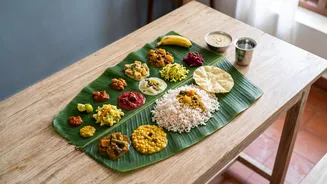
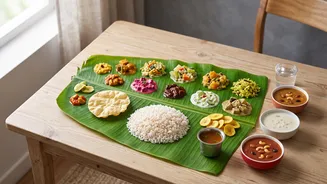
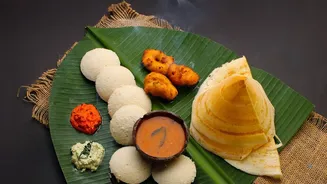
The presentation is part of the experience. A Sadhya is traditionally served on a banana leaf, with the narrow end pointing to the left. There's a specific order for placing the items. Pickles, chips, and other accompaniments are placed on the top half of the leaf, starting from the left. This includes salt, pappadam, banana chips, Sharkara Varatti (jaggery-coated chips), Inji Puli, and pickles. The main dishes like Avial, Kootu Curry, and Thoran also go on the top half. The bottom, larger half is reserved for the rice. The liquid curries like Parippu with ghee, Sambar, and Rasam are served over the rice in courses.