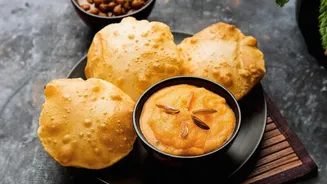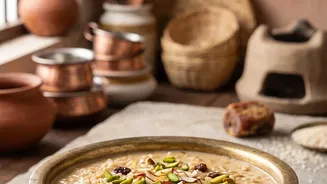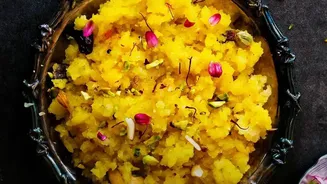




After days of festive indulgence, our bodies often crave something simple, warm, and restorative. Enter Besan Sheera, a traditional North Indian preparation that serves as both a comforting dessert and a gentle home remedy for post-Diwali fatigue.
What Exactly Is Besan Sheera?
Besan
Sheera is a smooth, semi-thick pudding or porridge made from a few humble ingredients: besan (gram flour), ghee (clarified butter), milk, and a sweetener like sugar or jaggery. The magic of this dish lies in its preparation. The gram flour is slowly roasted in ghee until it turns a beautiful golden-brown and releases a wonderfully nutty aroma. This roasting process is crucial as it removes the raw taste of the flour and imparts a deep, comforting flavour. Spices like cardamom, turmeric, and a pinch of black pepper are often added, not just for taste but for their traditional therapeutic properties. It’s a dish that feels like 'a hug in a mug', known for its simplicity and profound warmth.
The Post-Festival Connection
The days during and after Diwali are often marked by an abundance of rich foods, sweets, and irregular meal times. This can leave one feeling heavy and sluggish. In this context, Besan Sheera emerges as a traditional choice for rebalancing. It’s nourishing without being overly heavy and provides sustained energy from the complex carbohydrates and protein in the gram flour. The tradition of turning to specific foods for recovery is deeply rooted in Indian culture. Just as certain rituals mark the start of a festival, simple, warm foods like sheera signal a return to routine, helping the body gently recover from the celebratory excess.
A Cherished Home Remedy
Beyond its role as a dessert, Besan Sheera is widely regarded as a 'dadi ma ka nuskha' (grandmother's remedy), especially for coughs and colds. This is particularly relevant as Diwali often coincides with the change of seasons, a time when such ailments are common. The ingredients are believed to work in synergy: ghee soothes an irritated throat, turmeric provides anti-inflammatory benefits from its curcumin content, and black pepper acts as an antibacterial agent that can help with congestion. Consumed hot, often before bedtime, it's believed to help clear the nasal tract and promote restful sleep, providing immense comfort when you're feeling under the weather.
The Art of Making Perfect Sheera
Making Besan Sheera is an exercise in patience. The key is to roast the besan on a low, steady flame. Rushing this step with high heat can burn the flour, resulting in a bitter taste. You must stir continuously until the besan darkens slightly and smells fragrant and nutty. Once roasted, warm milk or water is added slowly while whisking constantly to prevent lumps from forming. The mixture is then cooked until it thickens to your desired consistency—some prefer it as a drinkable liquid, while others like it thicker, like a porridge. Finally, a sweetener like jaggery or sugar is stirred in, along with flavourings like cardamom powder and chopped nuts for garnish.
More Than Just a Sweet Dish
While Sooji Sheera (made with semolina) is more common as a 'prasad' in pujas, Besan Sheera holds its own special place in the culinary landscape as a food of comfort and healing. Its benefits are even recommended for pregnant women, as gram flour is a good source of folate, which is crucial for fetal development. The combination of calcium from milk and phosphorus in besan also helps in strengthening bones. It’s a versatile dish that can be a simple dessert when made with extra nuts and saffron, or a potent remedy when fortified with turmeric and pepper. This adaptability makes it a timeless classic in Indian kitchens.