





The Magic of Rolling
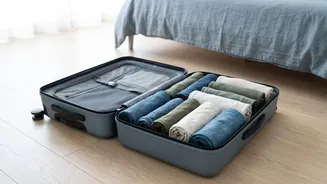
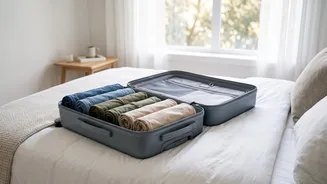
For decades, savvy travellers and military personnel have sworn by a simple trick: rolling clothes instead of folding them. The benefits are immediate and transformative. Tightly rolled garments take up significantly less volume than their folded counterparts,
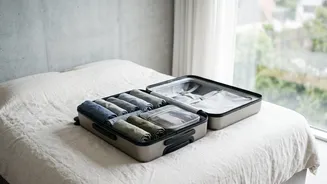
freeing up precious luggage space. This method also helps to minimize sharp creases, meaning you'll spend less time ironing in your hotel room. Furthermore, when every item is a compact, visible cylinder, you can see your entire wardrobe at a glance. No more digging through layered piles to find that one t-shirt. It’s an organizational game-changer.
The Basic Roll: T-Shirts and Casuals
Let's start with the basics. Lay a t-shirt face down on a flat, hard surface like a table, not your bed, and smooth out any wrinkles. Fold the sleeves inward to create a neat rectangle. Now, starting from the collar, begin to roll the shirt down towards the hem as tightly as you can. A tight roll is key to both saving space and preventing wrinkles. The result should be a compact, self-contained log that can be slotted into your bag. This simple technique works wonders for t-shirts, pyjamas, and other casual knitwear.
The 'Ranger Roll' for a Tighter Pack
To take your packing to the next level, master the 'Ranger Roll', also known as the Army Roll. This military technique creates an even more compressed and secure bundle. Start by laying your t-shirt or trousers flat. Fold the bottom hem inside out to create a 3-4 inch 'cuff'. Next, fold the sides of the garment toward the centre to form a uniform rectangle. Then, roll the item as tightly as possible from the top down towards the cuffed end. Once you reach the bottom, take the inside-out cuff and pull it over the roll, securing it like a pouch. This locks the roll in place, ensuring it won't unravel in transit.
Handling Shirts, Trousers, and Delicates
You might hesitate to roll a crisp button-down shirt or formal trousers, fearing creases. However, a modified rolling technique can work beautifully. For a shirt, button it up, lay it face down, and fold the sleeves towards the centre. Then, fold the shirt in half vertically. From there, gently roll it from the bottom up. For trousers, zip and button them, lay them flat, and fold one leg over the other. Then, roll tightly from the waistband down. For delicate items or bulky garments like jackets, a looser roll or a traditional fold placed on top of your rolled items is often the best approach to avoid damage.
A Sample 4-Day Packing List
Applying the capsule wardrobe mindset is key for a short trip. Aim for items that can mix and match. A reliable list for a four-day getaway could include: four tops (like t-shirts, a polo, or a casual shirt), two bottoms (such as one pair of jeans and one pair of chinos or a versatile skirt), and one extra layer like a jumper or light jacket to be worn during travel. Add five sets of underwear and socks—the extra pair is for emergencies. For footwear, wear your bulkiest pair (like sneakers) and pack a lighter one (like sandals or loafers). This minimalist approach, combined with smart rolling, ensures you have plenty of options without the bulk.
Putting It All Together
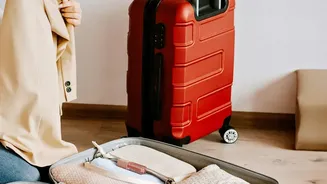
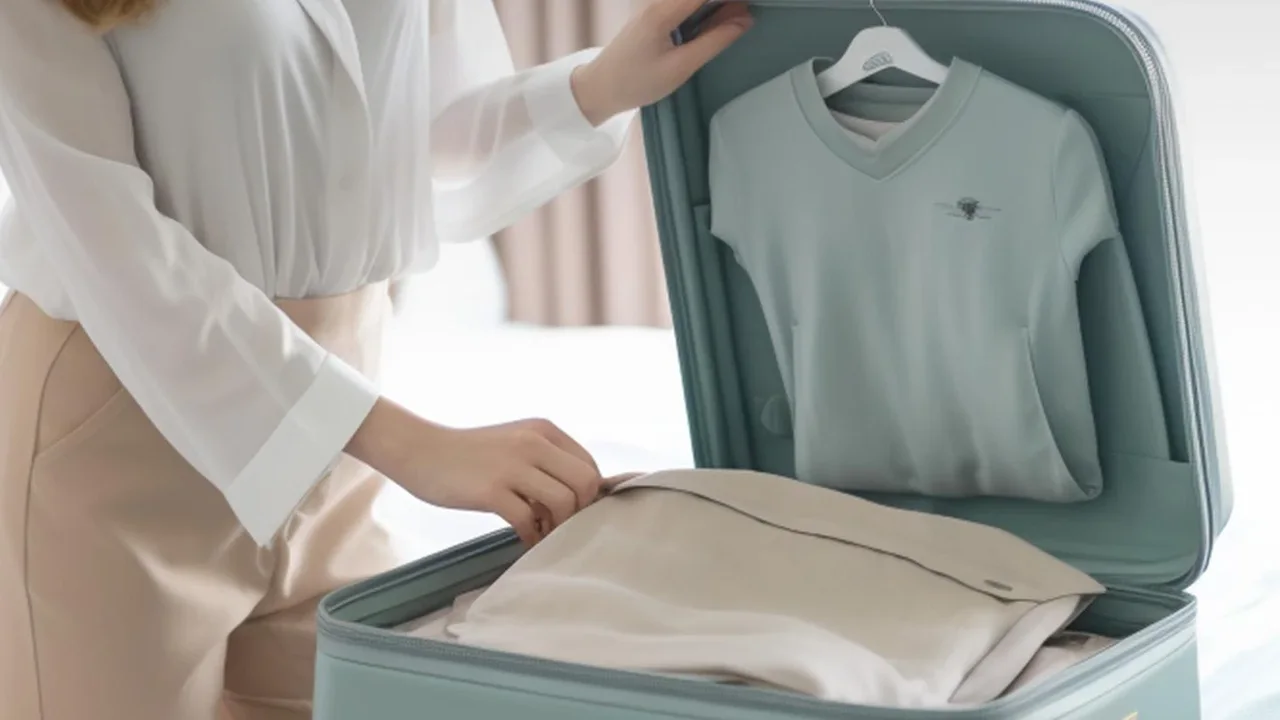
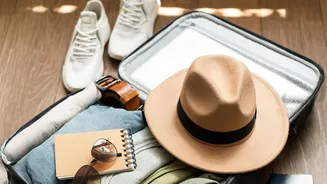
Once your clothes are rolled, the final step is arranging them. Packing cubes can be a great tool for this, allowing you to categorise items—one for tops, one for bottoms, and so on. Place the larger, sturdier rolled items like jeans and jumpers at the bottom of your suitcase. Fit smaller rolls, like t-shirts and underwear, into the gaps. Shoes, placed in a separate bag or shower cap to keep things clean, should go along the sides. Any items you folded, like a blazer, can be laid flat on top. This method turns your suitcase into a well-organized puzzle, making unpacking and repacking a breeze.