



The Golden Oldies of the Kitchen
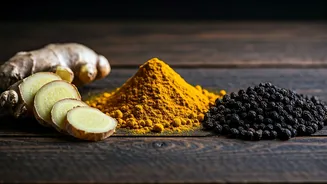
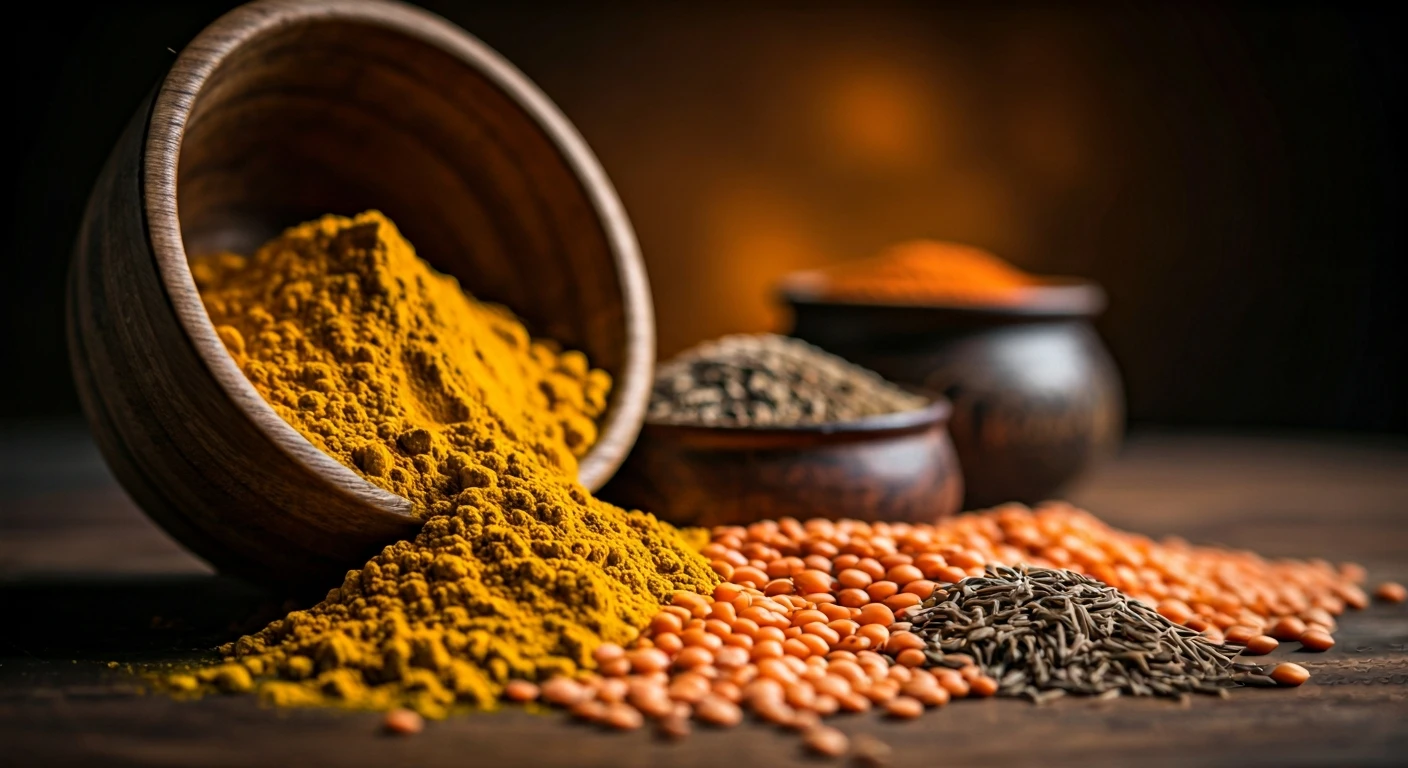
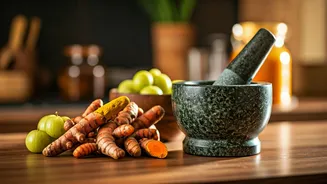
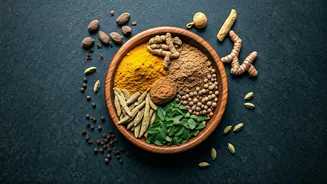
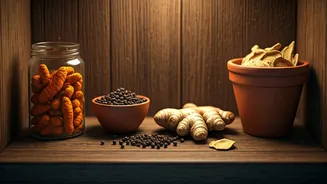
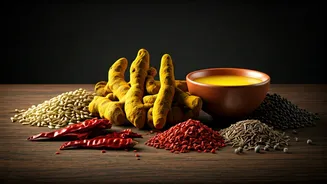
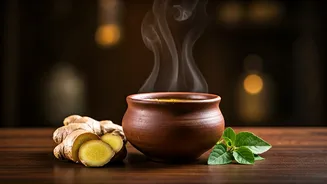
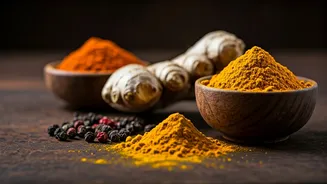
For generations, turmeric (haldi) and ginger (adrak) have been the bedrock of Indian cuisine. They are the foundational notes in countless curries, the aromatic base of our beloved chai, and the first line of defence in every dadi’s book of home remedies.
Haldi is not just a spice; it’s a cultural symbol, essential in everything from daily cooking to religious ceremonies. Ginger, with its sharp, warming bite, cuts through richness, aids digestion, and provides comfort in a hot cup of tea on a rainy day. Their presence is so fundamental, so deeply woven into the fabric of our culinary identity, that for years we almost took them for granted. They were simply… there. Dependable, essential, but rarely celebrated as the main event.
From Dadi Ke Nuskhe to Superfoods
So, what changed? The global wellness wave crashed onto our shores, bringing with it the language of ‘superfoods’, ‘anti-inflammatories’, and ‘antioxidants’. Suddenly, the West ‘discovered’ what Indian grandmothers knew all along. Haldi doodh, the comforting turmeric milk we were given for coughs and colds, was rebranded as a trendy ‘golden latte’ and sold for a premium in global cafes. This reverse-colonisation of our own ingredients sparked a renewed appreciation at home. The pandemic further accelerated this shift. As health and immunity became top priorities, Indians looked inward, not to exotic berries from faraway lands, but to the powerful, proven ingredients already sitting on their kitchen shelves. Turmeric and ginger became symbols of self-care and proactive wellness.
The Culinary Glow-Up
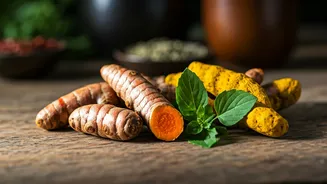
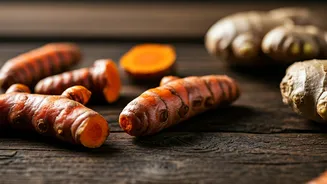
This newfound respect has untethered turmeric and ginger from their traditional roles. They are now being celebrated for their flavour profiles in exciting, modern ways. Chefs and home cooks are experimenting with them beyond the savoury curry pot. We’re seeing ginger-infused simple syrups in craft cocktails, offering a spicy kick that balances sweetness. Fresh turmeric root is being juiced into vibrant health shots and blended into smoothies. Even desserts are getting a spicy makeover, with candied ginger adding texture to cakes and a pinch of turmeric lending an earthy depth and beautiful colour to ice creams and custards. This isn't about replacing traditional uses but expanding the very definition of what these ingredients can do. They are no longer just part of the supporting cast; they are becoming the stars.
More Than Just Flavour
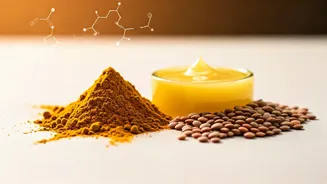
The trend is backed by science, which validates centuries of Ayurvedic wisdom. The hero compound in turmeric is curcumin, a powerful anti-inflammatory and antioxidant. Studies have explored its potential benefits for everything from joint pain to brain health. Similarly, ginger owes its magic to gingerol, a substance with potent medicinal properties that is famously effective against nausea and can help with muscle soreness. This scientific backing gives the trend credibility. It’s not just a fad; it’s a conscious choice to incorporate ingredients that not only taste good but also make us feel good. This dual appeal—flavour and function—is the core reason behind their modern-day victory in our kitchens.