


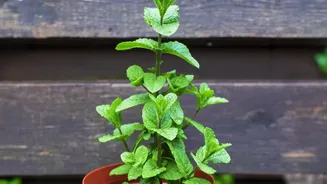
The Unique Challenge of Potted Mint
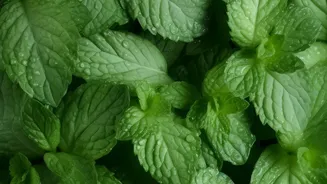
Mint has a reputation for being an aggressive, nearly unstoppable force in a garden. Its runners spread with determination, constantly seeking new territory and nutrients. When you bring mint indoors and confine it to a pot, you fundamentally change its
environment. No longer able to roam for food, it becomes entirely dependent on the limited soil in its container. This makes it vulnerable to a common pitfall for indoor gardeners: over-fertilizing. Many synthetic fertilizers deliver a harsh, sudden blast of chemical salts that can overwhelm the plant, leading to 'fertilizer burn'. Symptoms include crispy brown leaf tips, a slowdown in growth, and a white, crusty buildup on the soil—all signs that the delicate root system is being damaged. Potted mint doesn’t need force; it needs consistent, gentle care.
What Exactly Is 'Light' Organic Compost?
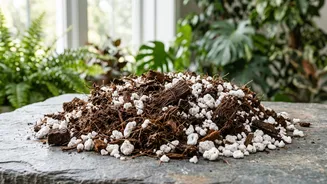
The term 'light' in this context refers not to physical weight, but to the texture and nutrient density of the compost. Heavy, dense, or overly rich garden compost can compact in a pot, retain too much water, and smother the roots, leading to rot. A light, ideal compost for containers is well-rotted, crumbly, and dark. It provides a slow and steady release of nutrients, mimicking how a plant would feed in nature. To achieve this 'light' quality, organic compost is often mixed with other ingredients to improve its structure. Common additions include coir (coconut fiber) for moisture retention or perlite for aeration. This blend creates a growing medium that holds moisture without becoming waterlogged and allows air to reach the roots, preventing suffocation and promoting healthy growth.
Gentle Nourishment and Its Big Rewards
Switching from chemical fertilizers to organic compost provides a host of benefits perfectly suited to indoor mint. The primary advantage is the prevention of root burn. Compost releases nutrients slowly as it's broken down by microbes in the soil, ensuring the plant gets what it needs without being overwhelmed. This gentle feeding process supports robust, healthy growth that leads to more flavourful and aromatic leaves. Beyond nutrients, compost significantly improves the soil's physical structure. It helps the potting mix retain water, reducing the stress of a pot drying out too quickly, which is a common indoor problem. At the same time, its organic matter creates air pockets, ensuring good drainage and aeration. This living soil, full of beneficial microbes, also helps suppress pathogens and makes nutrients more available to the plant, creating a resilient and thriving ecosystem within the pot.
A Practical Guide to Application
Incorporating light organic compost into your mint care routine is simple. For an existing plant, the easiest method is top-dressing. Every four to six weeks during the growing season (spring and summer), sprinkle a thin layer, about one to two centimetres deep, of compost over the surface of the soil. Gently work it in, being careful not to disturb the roots, and then water as usual. The nutrients will gradually work their way down into the root zone with each watering. If you are potting a new mint plant, you can create an ideal soil blend from the start. A reliable recipe is to mix roughly two-thirds of a high-quality potting mix with one-third light organic compost. This ensures your mint has a nutrient-rich but well-draining foundation right from the beginning. Remember to repot your mint every couple of years with fresh compost, as the plant's vigorous root system will eventually consume all the nutrients and space in its container.
Completing the Care Routine for Lush Mint
While proper soil nourishment is crucial, a few other elements will ensure your indoor mint flourishes. Mint thrives with at least six hours of bright light per day, so a sunny windowsill is an ideal spot. If you see the stems becoming long and 'leggy' with small leaves, it's a sign the plant is stretching for more light. Unlike many herbs that prefer to dry out, mint likes consistently moist soil. Water thoroughly whenever the top inch of soil feels dry to the touch, but ensure the pot has excellent drainage to prevent root rot. Finally, don't be afraid to harvest! Regularly snipping the top sprigs encourages the plant to grow bushier and fuller. It also stimulates the production of the volatile oils that give mint its incredible flavour and scent.