






Beyond the Brochure: Why Data Matters
The travel industry runs on narratives. A destination is sold as a 'serene getaway' or a 'bustling cultural hub'. While these descriptions are useful, they don't tell the whole story. The official top-down view from tourism boards often clashes with the bottom-up
reality experienced by visitors. This is where data becomes invaluable. By comparing high-level statistics with on-the-ground updates, you can uncover a more nuanced and accurate picture. This helps you plan a better trip, find a unique story to tell, or spot a real business opportunity that others might miss.
Your Starting Point: Official Dashboards
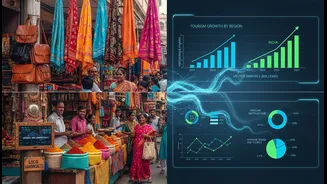
The Government of India's Ministry of Tourism offers a wealth of information to the public. Their official dashboard provides a high-level snapshot of the industry, with key figures on international and domestic tourist arrivals, foreign exchange earnings, and even outbound travel by Indian nationals. You can find annual reports, raw data sets, and various study reports that highlight trends over time. Portals like the National Integrated Database of Hospitality Industry (NIDHI) offer a registry of accommodation units, giving a sense of the organised sector's scale. These resources are the official baseline, showing where the government sees growth and focus. They are essential for understanding the big picture, like overall visitor numbers and their growth year-on-year.
Finding the Ground Truth: Local Updates
Official data gives you the 'what', but local updates provide the 'why' and 'how'. This is where you find the texture and real-time information that high-level reports lack. Look for recent travel vlogs on YouTube, search location-specific hashtags on Instagram, and browse online travel forums. These platforms are filled with content from independent creators and regular travellers sharing their authentic experiences. Their reviews, photos, and unfiltered comments can reveal if a 'serene getaway' is currently overcrowded due to a new viral post or if a much-hyped festival was a washout. This user-generated content acts as a real-time counterpoint to the more static official statistics.
For Travellers: Planning Smarter Trips
As a traveller, you can use this two-pronged approach to your advantage. Start with the Ministry of Tourism's data to identify which states are popular during which seasons. For example, you might see a huge spike in domestic tourism to a hill station in summer. Now, pivot to social media and local blogs. Are people complaining about traffic and overbooked hotels? This combination of data tells you it might be better to visit in the shoulder season. Conversely, if official data shows a region is less visited, but local creators are showcasing amazing new homestays or adventure activities, you might have just found a hidden gem before it becomes mainstream.
For Creators: Crafting Unique Stories
For content creators, the gap between official data and local reality is a goldmine for compelling stories. Use the government dashboards to find a surprising statistic. Perhaps a state shows low overall tourist arrivals but high growth in a niche category like medical or spiritual tourism. This is your story hook. Travel there and create content that explores this emerging trend on a human level. Interview local business owners, document the specific experiences, and explain why this corner of the country is quietly booming. Your content will be more than just another travel vlog; it will be a data-backed feature that offers genuine insight.
For Businesses: Identifying Real Opportunities
If you're running a small tourism business like a homestay, cafe, or tour company, this data is your market research. Official reports might tell you that foreign tourist arrivals are up nationally. But local social media trends and online reviews can tell you what those tourists are actually looking for in your specific area. Are they asking for more sustainable travel options? Are they interested in cooking classes or local craft workshops? By combining macro trends (more visitors) with micro-level demand (what they want to do), you can tailor your services, set competitive pricing, and market your business more effectively to meet a proven need. This approach helps you move from guessing what people want to knowing what they are actively seeking.