







The Age of 'Checklist Tourism'
For decades, the standard holiday looked something like this: a whirlwind tour of famous landmarks, a camera roll full of proof-of-presence photos, and a tightly packed itinerary that left little room for spontaneous discovery. This is "checklist tourism"—a
mode of travel built around collecting experiences like trophies. It’s the rush to snap a picture at the Taj Mahal before speeding off to the next destination, valuing the momentum of movement over the meaning of the moment. The goal was to see as much as possible, often leaving travellers returning home more exhausted than when they left.
Enter Wellness Travel: A Journey Inward
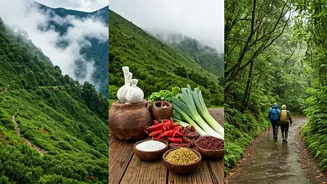
In contrast, wellness travel is defined as travel with the goal of improving or maintaining one's personal well-being. It’s not just about a temporary escape; it's about using travel as a tool for physical, mental, and spiritual rejuvenation. This can range from dedicated yoga and meditation retreats to trips focused on healthy eating, digital detoxes, nature immersion, or simply embracing a slower pace. The focus shifts from what you can see to how you can feel, turning a holiday into a chance to reset and grow. This segment of the tourism industry is booming, with market size estimates for 2025 hovering around USD 1 trillion and projections showing continued strong growth.
Why We're Trading Sightseeing for Self-Care
The pivot towards wellness is driven by profound shifts in our collective priorities, many accelerated by the pandemic. The global health crisis forced a slowdown, leading many to re-evaluate their lifestyles and prioritize health and wellness. Rising rates of burnout and a greater awareness of mental health have created a deep-seated desire for restorative experiences. Travellers are now more intentional, seeking deeper cultural connections and purposeful journeys rather than rushing through a packed itinerary. The rise of "slow travel" is a direct response to the fatigue of checklist tourism, celebrating depth over distance and presence over proof.
What a Wellness Journey Looks Like in India
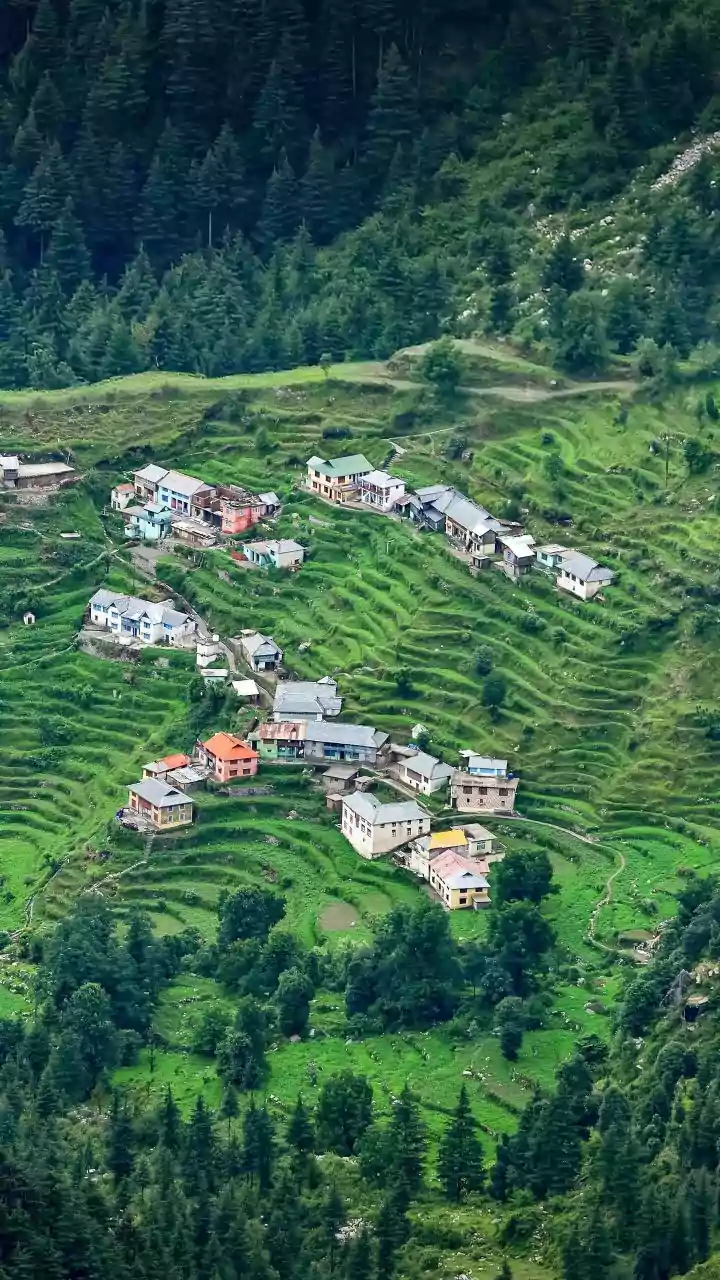
India, as the birthplace of yoga, Ayurveda, and meditation, is uniquely positioned as a premier wellness destination. The options are as diverse as the country itself. Travellers flock to Rishikesh, the "Yoga Capital of the World," for ashram stays and courses overlooking the sacred Ganges. In Kerala, lush resorts offer authentic Ayurvedic detoxification and rejuvenation programs. For those seeking mental clarity, silent Vipassana meditation courses are offered in places like Bodh Gaya and Ladakh. Even popular destinations like Goa are seeing a surge in wellness offerings, from beachside yoga to holistic health centres. These experiences tap into ancient traditions to meet a very modern need for balance and peace.
A New Standard for Travel
The growth of wellness tourism is not just a trend; it signals a fundamental change in what we value. The global wellness tourism market is projected to reach well over USD 1.5 trillion by the late 2020s, showing it has moved from a niche category to a mainstream force. This movement is about integrating well-being into every aspect of travel, from healthy food options at hotels to designing spaces that promote relaxation and connection with nature. It challenges the old notion that you need a vacation from your vacation. The new travel paradigm suggests your holiday should leave you feeling better, more centred, and equipped with healthy habits that last long after you've returned home.