


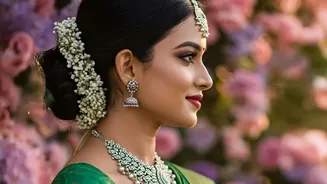


Indian festive seasons traditionally evoke images of vibrant colours and maximalist glamour. Yet, a quieter, more personal beauty movement is taking hold. Minimalist aesthetics are reshaping how many celebrate, prioritising authenticity over opulence.
The New Festive Glow: Skin First, Makeup Second
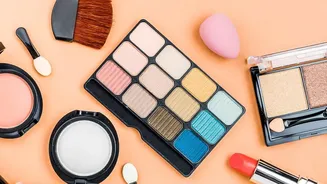
The core of the minimalist trend is a global movement known as 'skinimalism', which champions healthy, glowing skin that isn't hidden under heavy layers of product. This 'less is more' approach has found fertile ground in India, where consumers are increasingly educated about skincare. Instead of full-coverage foundations, many are opting for lightweight skin tints, CC creams, or even just a well-formulated moisturiser and sunscreen that lets their natural skin show through. The new festive goal is enhancement, not transformation. This involves focusing on a single feature, like a clean eyeliner flick or a stained lip, while the rest of the face remains fresh and dewy. This approach celebrates authenticity and self-acceptance, moving away from erasing imperfections to embracing them as part of one's natural look.
The Modern Indian and the Value of Time
For the modern Indian, particularly millennials and Gen Z juggling demanding careers and social lives, time is a precious commodity. The exhaustive, multi-step makeup routines of the past are increasingly seen as unsustainable. During a season packed with back-to-back celebrations, a streamlined routine that delivers impact with minimal effort is key. Minimalist beauty, with its emphasis on multi-tasking products like tinted serums or moisturising highlighters, offers a practical solution. This demand for quick, effective routines aligns with a lifestyle that values efficiency without sacrificing elegance, making it a perfect fit for the busy festive calendar.
A Shift Towards Conscious Consumerism
The move toward minimalism is also deeply connected to a growing consciousness about what goes into products and their environmental impact. Indian consumers are more ingredient-aware than ever, seeking out 'clean', 'sustainable', and 'cruelty-free' labels. The clean beauty market in India is projected to grow significantly, reflecting a move away from products with synthetic chemicals toward those with natural and organic ingredients. This conscious mindset translates into buying fewer, but better, products. Minimalist beauty aligns perfectly with this ethos, encouraging a focus on quality over quantity and supporting brands with transparent, ethical practices.
The Influence of Digital and Demographics
Social media has become the primary arena for beauty discovery in India, fundamentally changing consumer behaviour. Platforms like Instagram are filled with influencers and 'derm-fluencers' (dermatologists) who champion authentic reviews and science-backed formulations, often promoting a minimalist philosophy. Younger consumers, especially Gen Z, are driving this trend. They prioritise self_expression, authenticity, and comfort, and are more likely to experiment with D2C brands that reflect these values. This digital_savvy generation is more informed, researches products extensively online, and seeks inspiration for looks that feel personal and relatable, rather than just copying celebrity trends.
Reinterpreting Tradition for a Modern Age
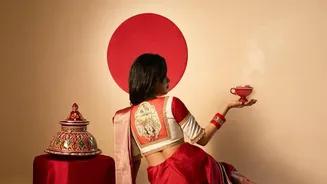
Minimalism in the festive context isn't a rejection of tradition but a reinterpretation of it. It’s about finding a personal balance between heritage and a contemporary sense of self. Makeup has been part of Indian rituals for centuries, and a minimalist approach still honours these roots. A simple bindi paired with a clean face and a nude lip can feel just as festive and respectful as a full_glam look. It allows individuals to participate in cultural celebrations in a way that feels genuine to them. This shift allows for more individuality, where people pick elements that suit their personal style instead of following a uniform aesthetic.