







The Power of a Simple Start
For many busy professionals, the biggest hurdle to fitness is complexity. Expensive gym memberships, intimidating workout plans, and the pressure to perform can feel overwhelming. This is where the evening walk shines. It requires no special equipment,
no fees, and no complicated schedule. It is a low-impact activity, making it gentle on the joints and accessible to people of all fitness levels. The simple act of deciding to walk is a powerful psychological victory. It helps build a foundation of consistency, which is far more valuable than a few intense, sporadic workouts that quickly lead to burnout.
Physical Perks After a Long Day
The physical benefits of an evening walk are substantial, especially after a day spent largely sitting. A post-dinner stroll aids digestion by stimulating the stomach and intestines, which can help reduce feelings of bloating and discomfort. It also plays a crucial role in regulating blood sugar levels. A light walk after a meal helps your muscles use circulating glucose for energy, preventing the sharp spikes that can occur after eating. Over time, this contributes to better cardiovascular health by improving circulation and supporting healthy blood pressure. It's an effective way to burn calories and support weight management without putting excessive strain on the body.
Your Daily Mental Reset
Perhaps the most immediate benefit of an evening walk is the mental release it provides. After a day of deadlines, meetings, and screen time, walking helps clear the mind and reduce stress. Physical activity triggers the release of endorphins, the body's natural mood-boosters, which combat feelings of anxiety and fatigue. An evening walk serves as a buffer between your professional and personal life, allowing you to process the day's events and transition into a state of relaxation. This practice is also linked to better sleep quality, as it can help regulate your body's internal clock, signaling that it's time to wind down.
The Perfect Fit for Indian Lifestyles
The concept of a post-dinner stroll is deeply familiar in many Indian communities, often seen as a time for family and social connection. In bustling cities, the cooler evening air can provide a welcome respite from the day's heat and traffic. It's a natural time to reconnect with a spouse, chat with children, or simply enjoy a few moments of relative quiet. It doesn't disrupt family dinner time; rather, it enhances it. This cultural resonance makes the evening walk a habit that is easier to adopt and sustain compared to foreign fitness trends that may not align with local routines.
Making Your Walk Work For You
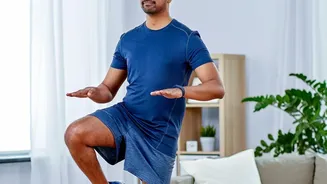
Starting is simple. Begin with a 15-20 minute walk at a comfortable pace right after dinner. You don't need to aim for speed or distance initially; the goal is to show up for yourself. To stay motivated, find a partner to walk with or listen to your favourite podcast or music. If the weather is poor, even walking around your building or marching in place at home can be beneficial. The key is to view this time not as a chore, but as a non-negotiable act of self-care. As you get more comfortable, you can gradually increase the duration or pace. Remember, even a short ten-minute walk is far better than none at all.