








Look Beyond the Cheapest Deal
The off-season allure of deep discounts is powerful. A luxury hotel in Goa or Kerala for a fraction of its peak-season price? A flight ticket that seems too good to be true? During monsoon, it often is. That rock-bottom price might not account for the
high probability of flight cancellations due to torrential rain or poor visibility. That beautiful, isolated resort may become completely inaccessible if the one road leading to it gets waterlogged or washed out. Instead of booking purely on price, factor in reliability. Choose airlines with better track records for managing disruptions and consider hotels that are located on main, well-maintained roads. A slightly higher price that includes peace of mind is a far better deal.
Understand Your Destination’s Monsoon
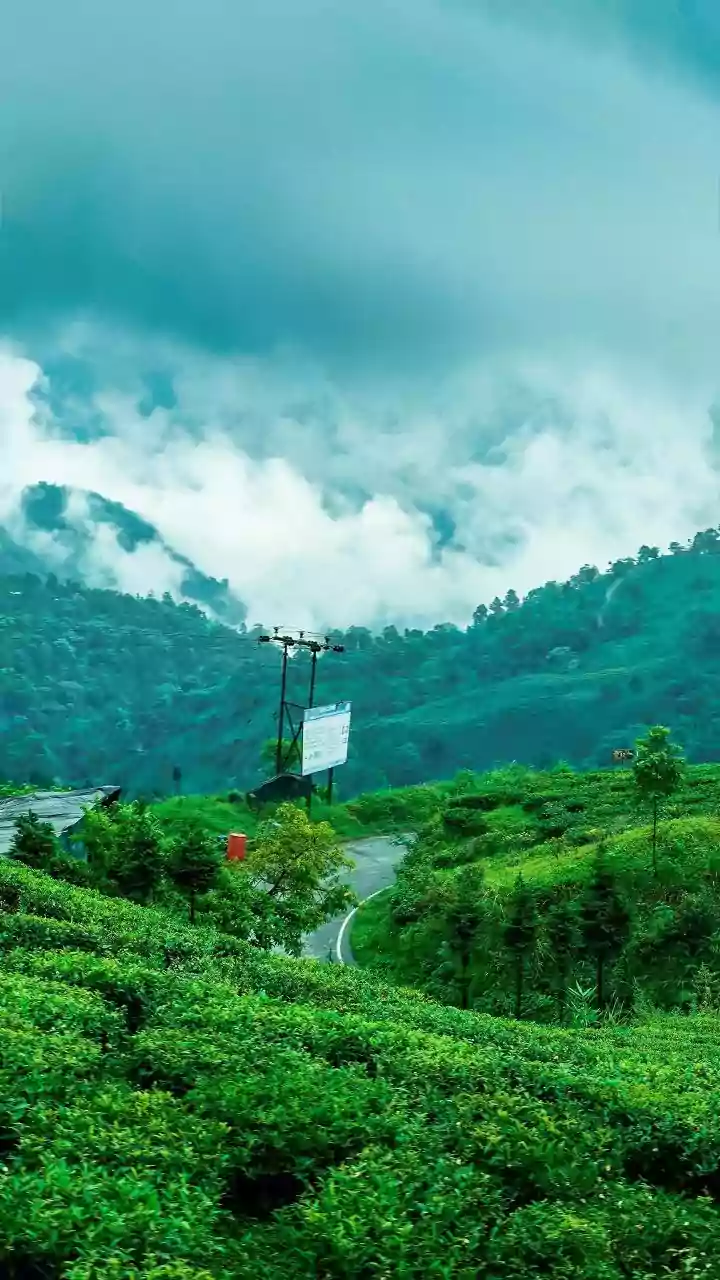
The term 'monsoon' is not a monolith. The experience varies drastically across the subcontinent. While the Western Ghats (Kerala, parts of Karnataka, Goa) receive heavy, continuous rainfall that can cause floods and landslides, regions in the rain shadow, like parts of Tamil Nadu or the Deccan Plateau, get much less. Rajasthan, particularly cities like Udaipur and Bundi, becomes incredibly romantic with the rain filling its lakes, offering a different kind of beauty without the extreme disruption. Meanwhile, the Himalayan foothills can be treacherous, with landslides making road travel a high-risk gamble. Before you book, do specific research. Look up 'monsoon in Coorg' versus 'monsoon in Udaipur'. The difference will dictate your entire itinerary and safety.
Embrace Flexible and Refundable Options
This is perhaps the golden rule of monsoon travel booking. Rigidity is your enemy when the weather is this unpredictable. When booking flights and hotels, pay the small premium for a 'fully refundable' or 'flexible date change' option. Many online travel agencies and airlines now offer this as an add-on. It might feel like an unnecessary expense at the time of booking, but it acts as a crucial insurance policy. If a cyclone warning is issued for the coast you’re flying to, or if the news shows your destination city is flooding, the ability to cancel or postpone without losing all your money is invaluable. This simple step transforms potential financial disaster into a minor inconvenience.
Build Buffer Time into Your Itinerary
A tight, back-to-back itinerary is a recipe for stress during the monsoon. A three-hour drive can easily become a seven-hour ordeal due to bad roads or traffic diversions. A morning flight delay can have a domino effect, causing you to miss your connecting transport or a pre-booked tour. The solution is to travel slowly. Don't plan to land in a city and immediately take a long-distance taxi to a remote resort. Instead, build in buffer days. If your trip is a week long, don't try to visit four cities. Choose one or two, and give yourself an extra day in each location to account for unforeseen delays. This slower pace not only makes your journey safer but also allows you to genuinely relax and enjoy the moody, atmospheric charm of the season.
Verify Ground Realities Before You Go
Your booking process shouldn't end once you've paid. In the week leading up to your travel, become a proactive information gatherer. Don’t rely solely on weather apps. Call your hotel directly and ask about local conditions. Enquire about road access, power supply, and whether all their facilities (like the swimming pool or outdoor restaurant) are operational. Check local news outlets and social media groups for on-the-ground reports from the specific area you are visiting. This last-minute check can help you make critical decisions, like whether to pack extra power banks, buy emergency snacks, or even postpone the trip if conditions have severely deteriorated.