








What Exactly Is a Sodium-Metal Battery?
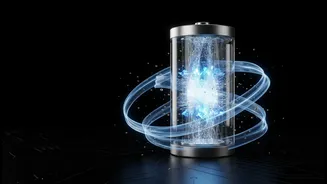
At its core, a sodium-metal battery (SMB) is a rechargeable battery that uses sodium ions as its charge carriers. Its working principle is similar to the lithium-ion batteries we use every day, but with one key difference: it replaces lithium with sodium.
Specifically, SMBs use pure metallic sodium for one of their electrodes (the anode). This is distinct from sodium-ion batteries, which typically use carbon-based materials for the anode. The appeal of using pure metal is its potential to store much more energy in the same amount of space, a key metric for any battery. The technology isn't new, with research dating back decades, but recent breakthroughs have reignited interest, positioning it as a serious contender for future energy needs.
The Primary Benefit: Cost and Abundance
The biggest advantage of sodium is that it's incredibly cheap and plentiful. Sodium is the sixth most abundant element on Earth, easily sourced from rock salt or seawater. Lithium, by contrast, is relatively rare, with resources concentrated in a few countries, making its supply chain vulnerable to geopolitical tensions and price volatility. For a country like India, which imports most of its lithium, developing a homegrown battery technology based on an abundant local resource is a massive strategic advantage. This could significantly lower the cost of energy storage, accelerating the adoption of electric vehicles and making grid-scale storage for renewable energy, like solar and wind, far more economical.
The Promise of Fast Charging
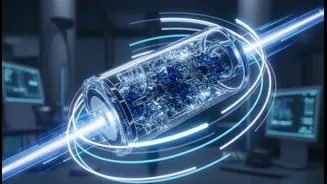
Recent headlines have been dominated by claims of ultra-fast charging capabilities. In July 2026, researchers announced a new SMB design that could charge in just four minutes in laboratory tests. This impressive speed is a major selling point, especially for electric vehicles where long charging times remain a significant barrier to adoption. The science behind this involves engineering new types of electrolytes—the medium through which ions travel—that allow sodium ions to move more efficiently and deposit evenly. While these lab results are promising, it's important to note that scaling this performance up from a small experimental cell to a full-sized EV battery pack presents major engineering challenges that are yet to be solved.
The Major Hurdle: Dendrites and Safety
The main reason sodium-metal batteries aren't in your phone yet is a pesky problem called dendrites. Because metallic sodium is highly reactive, as the battery charges and discharges, spiky, needle-like structures called dendrites can form on the anode. Over time, these dendrites can grow long enough to pierce the separator between the anode and cathode, causing a short circuit. This not only kills the battery but can also lead to thermal runaway, where the battery overheats and potentially catches fire. Much of the current research is focused on solving this issue, with scientists developing new quasi-solid gel electrolytes and protective layers that physically block or prevent dendrites from forming, making the batteries safer.
Current Limits: Energy Density and Lifespan
Despite their promise, sodium-metal batteries currently face two key limitations. First, they generally have a lower energy density than their lithium-ion counterparts. This means a sodium battery of the same size and weight will store less energy, resulting in, for example, a shorter driving range for an EV. Commercial sodium-ion batteries offer around 100-160 Wh/kg, compared to 150-300 Wh/kg for lithium-ion. Second, their cycle life—the number of times they can be charged and discharged before degrading—is still a work in progress. The larger size of sodium ions compared to lithium ions causes more physical stress on the battery's components during charging, leading to faster degradation over time.
The Outlook for India and Beyond
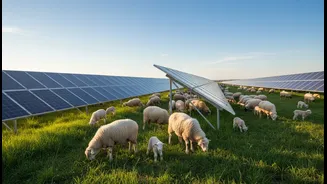
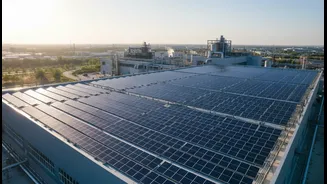
Sodium-metal batteries are not yet a direct replacement for high-performance lithium-ion batteries. You likely won't see them in flagship smartphones or long-range performance EVs anytime soon. However, they are exceptionally well-suited for applications where cost and safety are more important than being lightweight and compact. This includes stationary energy storage for India's burgeoning solar and wind farms, backup power for data centres, and potentially for more affordable, shorter-range electric vehicles like two-wheelers and city commuter cars. Indian research institutions and companies are actively working on sodium-ion technology, seeing it as a key pillar for achieving 'Atmanirbhar Bharat' (self-reliant India) in the crucial energy sector.