




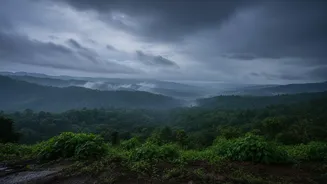

Why Monsoon Rules Are So Strict
The primary reason for modifying access during the monsoon is public safety. Hills and plains alike become vulnerable to a range of natural hazards when saturated with rain. In hilly regions like Himachal Pradesh, Uttarakhand, and Kerala, the biggest
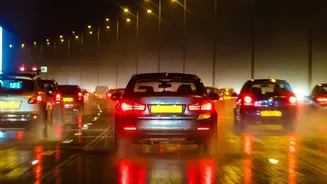
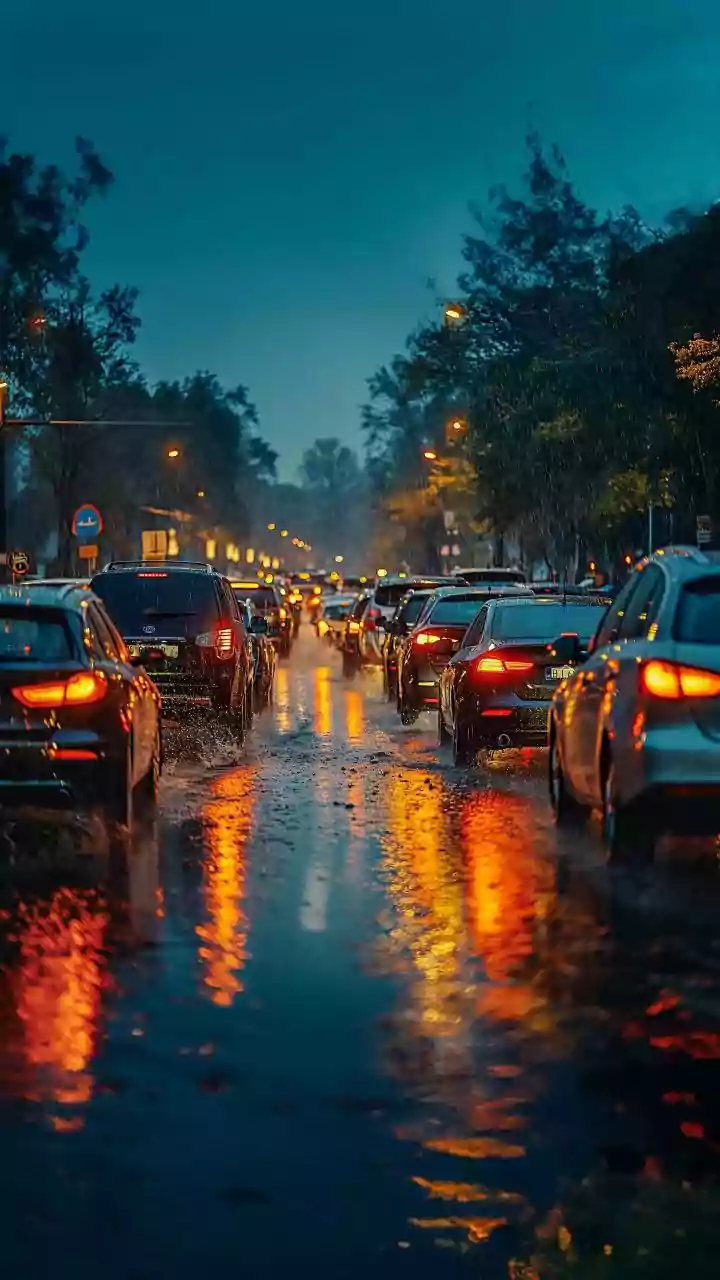
fears are landslides and rockfalls, which can block roads or, in worst-case scenarios, sweep them away entirely. In the plains and urban centres, the main concerns are severe waterlogging and flash floods, which can make roads impassable and dangerous. Authorities implement these rules not to inconvenience travellers, but to prevent accidents and ensure that people are not stranded in high-risk zones.
The Triggers for a Sudden Change
A change in access rules is not arbitrary. It is a direct response to specific triggers. The most significant is a weather alert from the India Meteorological Department (IMD). An 'Orange' or 'Red' alert, signalling heavy to very heavy rainfall, will almost certainly put district administrations on high alert. The second trigger is a physical event. This could be a minor landslide, the appearance of cracks in a road, rising water levels in rivers near bridges, or reports of recurring rockfalls on a particular stretch. Officials from departments like the Public Works Department (PWD) constantly monitor road conditions, and their reports are crucial in the decision-making process.
Who Makes the Call on Closures?
The authority to restrict movement and close roads typically rests with the District Magistrate (DM) or District Collector of the concerned area. Based on inputs from the police, the PWD, the local disaster management authority, and IMD forecasts, the DM can issue prohibitory orders. Often, this is done under Section 144 of the Criminal Procedure Code (CrPC), which allows magistrates to issue orders in urgent cases of apprehended danger to prevent threats to human life and safety. These orders can prohibit the entry of tourists to specific high-risk spots like waterfalls, trekking routes, and landslide-prone areas, or even close entire highways. For example, the Char Dham Yatra in Uttarakhand has been temporarily suspended in the past due to heavy rains and blocked roads.
How to Stay Updated on the Go
Given how quickly rules can change, staying informed is the most critical part of any monsoon travel plan. Official sources are the most reliable. Check the social media accounts (especially X, formerly Twitter) and websites of the district police and the DM's office for the area you are visiting. Many state police and disaster management agencies also maintain active accounts. National bodies like the National Highways Authority of India (NHAI) sometimes provide updates on major routes. Additionally, stay tuned to local news reports. Before starting your day’s journey, it is always a good idea to speak with local contacts, such as your hotel manager or local drivers, as they often have the most current, ground-level information about which routes are open and safe.
Your Monsoon Travel Checklist
Navigating monsoon travel safely requires flexibility and preparation. First, always build buffer days into your itinerary. A two-day road closure shouldn't derail your entire trip. Second, never ignore official warnings or attempt to cross barricades. They are there for your protection. Third, if a road looks flooded, do not try to drive through it; the depth and current can be deceptive. Fourth, ensure your vehicle is in good condition, with special attention to tyres and brakes. Finally, have a backup plan. If your primary destination becomes inaccessible, know what your alternative options are. Embracing the spontaneous nature of the season, while prioritising safety, is the key to a memorable monsoon journey.